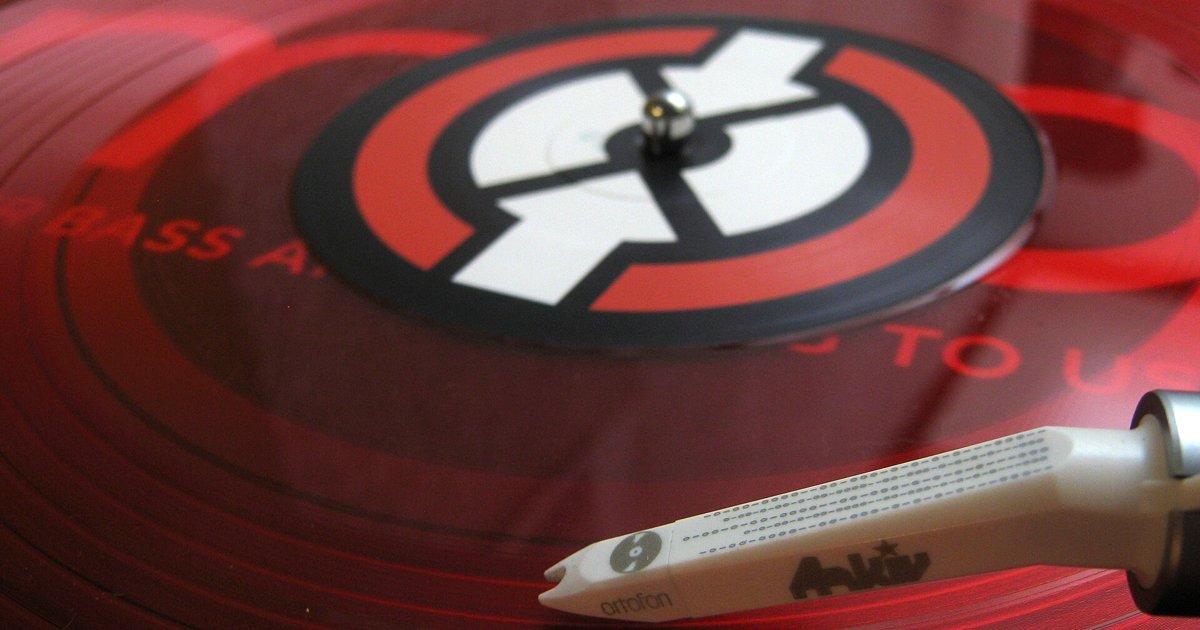
A format that many people declared dead in the 1990s refuses to go away. Vinyl records have enjoyed a long revival, with new pressings, reissues and dedicated shops appearing even as nearly every song ever recorded sits a tap away on a phone. The reasons have less to do with nostalgia than you might expect.
A brief history of the groove
The long-playing vinyl disc arrived in 1948, offering about twenty minutes a side at 33 and a third revolutions per minute. Singles on seven-inch discs followed. For decades, records were the main way people bought music at home. Then cassettes and compact discs took over, and by the early 2000s vinyl was a niche pursuit for DJs, collectors and audiophiles.
Sales began to climb again around the late 2000s, helped by events such as Record Store Day, which launched in 2008 to promote independent shops with special releases. Industry bodies in several countries have reported years of consecutive growth since, though from a small base compared with streaming.
Why vinyl records are about ritual
Ask collectors why they buy, and the answer is often about the experience. Playing a record takes a few deliberate steps. You pick a sleeve, slide out the disc, lower the needle and sit down. Then you have roughly twenty minutes before you must get up and flip it.
- Focus: The format nudges you to listen to an album as the artist sequenced it, rather than skipping around.
- Artwork: A twelve-inch sleeve gives cover design, liner notes and lyrics room that a thumbnail cannot.
- Ownership: A physical object is yours, regardless of licensing changes or catalog removals on streaming services.
Many younger buyers, who grew up with unlimited digital access, describe the appeal as a break from endless choice. Some do not even own a turntable, treating the record as merchandise or a keepsake, a pattern industry observers have remarked on for years.
Does it sound better?
This is the most argued question. Vinyl has real strengths and real limits. The format has a warmth that many listeners describe, partly from gentle distortion and the way the playback chain colors the sound. Compact discs and high-quality streams actually have a wider dynamic range and lower noise on paper.
What matters more is the mastering. A record cut from a carefully mastered source can sound excellent, while one made from a heavily compressed digital file will not magically improve. Pressing quality varies, and surface noise, warps and dust are part of the territory. Honest enthusiasts will say that preference is subjective, and that the best choice is whichever you enjoy.
The economics of pressing
Behind the scenes, the revival has strained the supply side. There are relatively few pressing plants worldwide, and much of the equipment is decades old. When demand surges, waits for production can stretch to many months, especially for independent labels competing against big-name reissues.
- Raw materials: Records are made from polyvinyl chloride compound, and supply and cost fluctuate.
- Machinery: Presses are no longer widely manufactured, so plants maintain and rebuild vintage machines.
- Skilled labor: Mastering engineers and press operators are a small, experienced workforce.
- Price: New albums commonly cost noticeably more than a digital subscription month, which keeps buying selective.
Those pressures help explain why a new vinyl records release often costs more than people expect and why limited colored editions sell out quickly.
Environmental and practical notes
The material is not easy to recycle, and some manufacturers are experimenting with alternatives and with using recycled compound. Records also need care. Store them upright, keep them clean, and avoid heat, since warping is a common reason for returns.
What the revival tells us
The comeback is a useful reminder that technology does not simply replace older formats. Streaming won on convenience, and vinyl found a role in attention, ceremony and collecting. The two often live side by side in the same household, with one used for background music and the other for deliberate listening.
Whether the boom continues depends on manufacturing capacity and prices. But the staying power of vinyl records suggests that when so much of life is intangible, many people still want something they can hold and put on a shelf.
For more background, see the Wikipedia article.