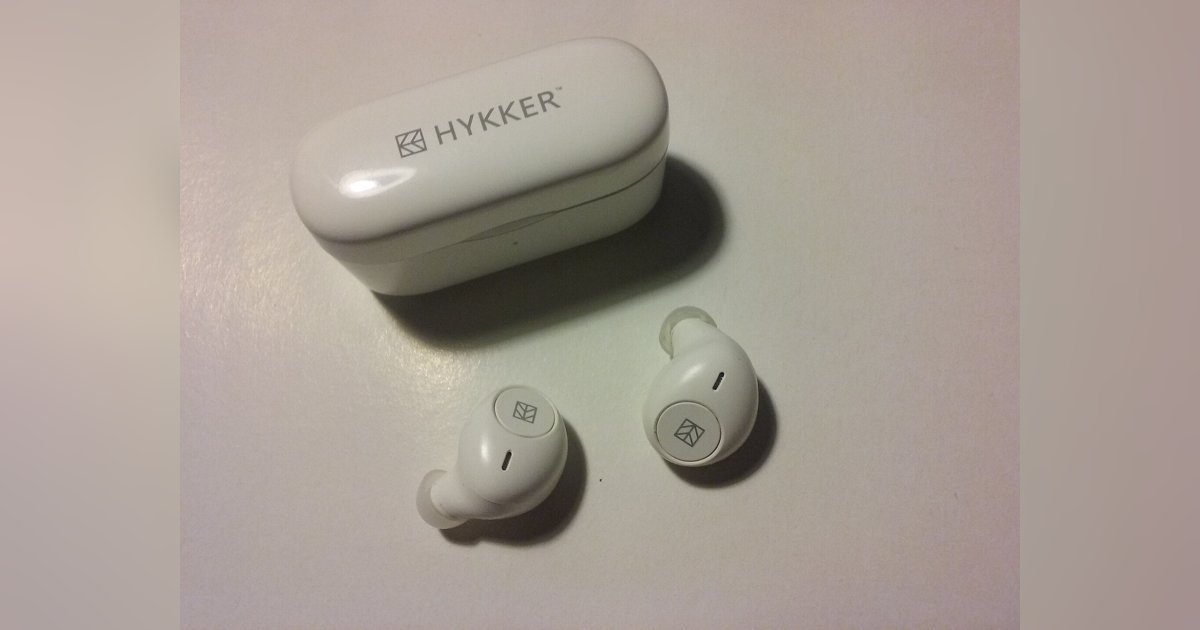
Tag: audio

  • Wireless Earbuds Buying Guide: What Actually Matters

    Wireless Earbuds Buying Guide: What Actually Matters

    Walk into any electronics shop and you will find a wall of wireless earbuds with prices from the cost of a sandwich to the cost of a laptop. The marketing is loud, the specifications are confusing and the differences can feel tiny. Yet a few factors genuinely change your daily experience, and most of the rest is noise.

    Wireless earbuds: fit and comfort come first

    The best sound in the world is useless if the buds hurt after an hour or fall out when you jog. Fit also affects sound quality, because a good seal in the ear canal is what delivers bass and blocks outside noise.

    • In-ear tips with silicone sleeves seal best and usually include several sizes. Try them all.
    • Open-fit designs sit at the ear opening, which is comfortable and lets you hear traffic, though they leak more sound and have weaker bass.
    • Wing or hook designs add stability for sport.

    If you can, test in person or buy from a seller with an easy return policy.

    Noise cancelling versus transparency

    Active noise cancelling uses microphones to pick up ambient sound and produces opposing waves to reduce it. It works best on steady, low sounds like aircraft engines, train rumble and air conditioning, and it is less effective against sudden noises like voices. Cancelling quality varies a lot between models, so check independent reviews that test it.

    Transparency or ambient mode does the opposite, passing outside sound through the microphones so you can hear announcements or hold a conversation without removing the buds. It is a feature worth having if you commute or walk in cities.

    Battery life in the real world

    Manufacturers publish figures such as six hours of listening, with the case adding several more charges. These numbers usually assume moderate volume and noise cancelling off. Expect somewhat less when cancelling is on.

    Consider how you use them. For a commute of an hour each way, five hours per charge is plenty. For long flights or all-day calls, look for more, and check whether a quick ten-minute charge gives an hour or so of playback. Remember that small batteries wear out, and many earbuds are hard to repair, so lifespan is a legitimate part of the price.

    Sound quality and codecs

    Bluetooth sends audio with a codec, a method of compressing it. The basic one, SBC, works on everything. AAC is common on Apple devices, and others such as aptX or LDAC on some Android phones can offer higher quality when both phone and earbuds support them. Honestly, in a noisy street most people struggle to hear the difference. What matters more is the tuning: whether the sound is balanced, with clear voices and controlled bass. Reviews that include measurements and companion app equalizers can help here.

    Calls and microphones

    If you take many calls, test microphone quality. Good models use several microphones and software to isolate your voice. Earbuds that sound great for music can still make you sound muffled to the person on the other end. Look for reviews with recorded call samples.

    Connectivity and extras

    1. Bluetooth version. Newer versions improve stability and efficiency, but any recent one is adequate.
    2. Multipoint pairing. Lets you connect to a laptop and phone at once and switch automatically.
    3. Water resistance. Look for an IPX4 rating or higher for sweat and light rain. It does not mean you can swim.
    4. Controls. Physical buttons are easier to use in gloves than touch surfaces that trigger accidentally.
    5. Find-my features. A tracking function can save you when a single bud goes missing.

    How much should you spend on wireless earbuds?

    Budget models from reputable brands now deliver surprisingly good sound and decent battery life. Spending more usually buys better noise cancelling, call quality, build, software polish and integration with your phone. Mid-range options often give the best value. Be sceptical of dramatic claims, and compare a couple of independent reviews instead of trusting a single source.

    Finally, protect your ears. Keep the volume at a level where you can still hear someone speaking nearby, and take breaks during long sessions. The right wireless earbuds are the ones that fit well, sound pleasant at moderate volume and last through your normal day, and that is a simple standard to shop by.

    For more background, see the Wikipedia article.
    Related reading

  • Why Vinyl Records Keep Coming Back in a Streaming Age

    Why Vinyl Records Keep Coming Back in a Streaming Age

    A format that many people declared dead in the 1990s refuses to go away. Vinyl records have enjoyed a long revival, with new pressings, reissues and dedicated shops appearing even as nearly every song ever recorded sits a tap away on a phone. The reasons have less to do with nostalgia than you might expect.

    A brief history of the groove

    The long-playing vinyl disc arrived in 1948, offering about twenty minutes a side at 33 and a third revolutions per minute. Singles on seven-inch discs followed. For decades, records were the main way people bought music at home. Then cassettes and compact discs took over, and by the early 2000s vinyl was a niche pursuit for DJs, collectors and audiophiles.

    Sales began to climb again around the late 2000s, helped by events such as Record Store Day, which launched in 2008 to promote independent shops with special releases. Industry bodies in several countries have reported years of consecutive growth since, though from a small base compared with streaming.

    Why vinyl records are about ritual

    Ask collectors why they buy, and the answer is often about the experience. Playing a record takes a few deliberate steps. You pick a sleeve, slide out the disc, lower the needle and sit down. Then you have roughly twenty minutes before you must get up and flip it.

    • Focus: The format nudges you to listen to an album as the artist sequenced it, rather than skipping around.
    • Artwork: A twelve-inch sleeve gives cover design, liner notes and lyrics room that a thumbnail cannot.
    • Ownership: A physical object is yours, regardless of licensing changes or catalog removals on streaming services.

    Many younger buyers, who grew up with unlimited digital access, describe the appeal as a break from endless choice. Some do not even own a turntable, treating the record as merchandise or a keepsake, a pattern industry observers have remarked on for years.

    Does it sound better?

    This is the most argued question. Vinyl has real strengths and real limits. The format has a warmth that many listeners describe, partly from gentle distortion and the way the playback chain colors the sound. Compact discs and high-quality streams actually have a wider dynamic range and lower noise on paper.

    What matters more is the mastering. A record cut from a carefully mastered source can sound excellent, while one made from a heavily compressed digital file will not magically improve. Pressing quality varies, and surface noise, warps and dust are part of the territory. Honest enthusiasts will say that preference is subjective, and that the best choice is whichever you enjoy.

    The economics of pressing

    Behind the scenes, the revival has strained the supply side. There are relatively few pressing plants worldwide, and much of the equipment is decades old. When demand surges, waits for production can stretch to many months, especially for independent labels competing against big-name reissues.

    1. Raw materials: Records are made from polyvinyl chloride compound, and supply and cost fluctuate.
    2. Machinery: Presses are no longer widely manufactured, so plants maintain and rebuild vintage machines.
    3. Skilled labor: Mastering engineers and press operators are a small, experienced workforce.
    4. Price: New albums commonly cost noticeably more than a digital subscription month, which keeps buying selective.

    Those pressures help explain why a new vinyl records release often costs more than people expect and why limited colored editions sell out quickly.

    Environmental and practical notes

    The material is not easy to recycle, and some manufacturers are experimenting with alternatives and with using recycled compound. Records also need care. Store them upright, keep them clean, and avoid heat, since warping is a common reason for returns.

    What the revival tells us

    The comeback is a useful reminder that technology does not simply replace older formats. Streaming won on convenience, and vinyl found a role in attention, ceremony and collecting. The two often live side by side in the same household, with one used for background music and the other for deliberate listening.

    Whether the boom continues depends on manufacturing capacity and prices. But the staying power of vinyl records suggests that when so much of life is intangible, many people still want something they can hold and put on a shelf.

    For more background, see the Wikipedia article.

    Related reading