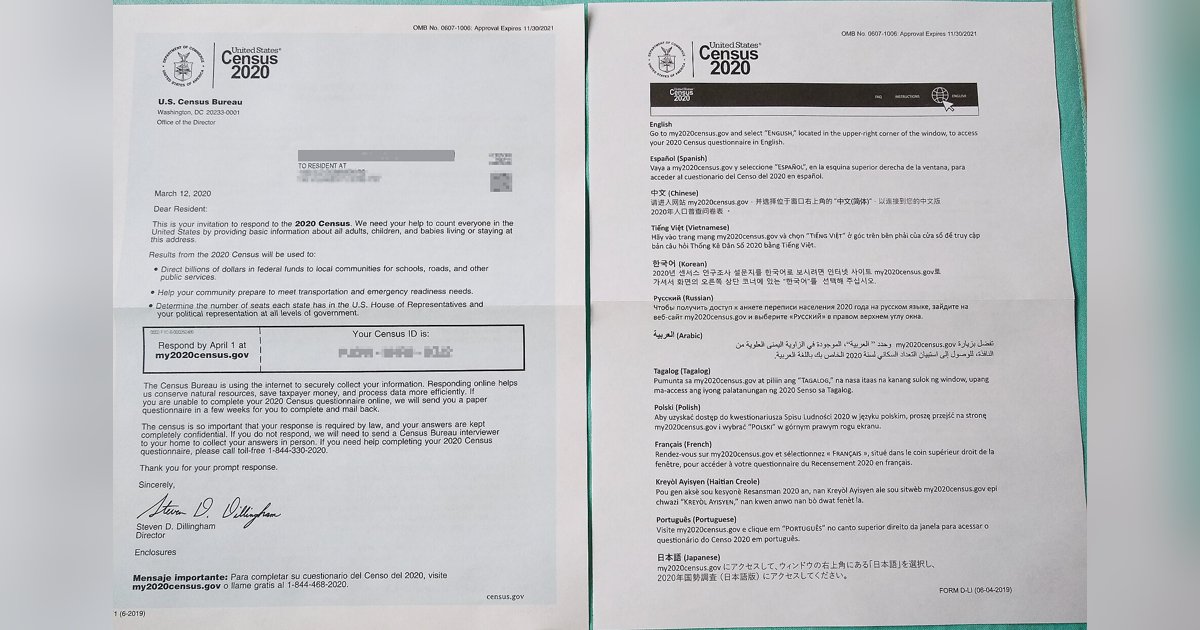
Once every decade or so, most countries try to count everyone who lives within their borders. The resulting census data sounds dry, yet it quietly steers decisions about hospitals, bus routes, school budgets and even how some legislative seats are distributed. Knowing how it is gathered helps explain why the count matters so much.
A very old habit
Counting people is ancient. Records from Babylon, Egypt, China and Rome describe population surveys, usually for taxes or military service. The word census comes from Latin. Modern censuses became more systematic in the eighteenth and nineteenth centuries, and several countries, including the United States, wrote periodic counts into their founding rules.
The United Nations encourages countries to run a census at least every ten years. Many follow a decade rhythm, though some, such as Canada and Australia, count every five years.
How the count is carried out
Methods have shifted from clipboards to screens. Many national statistics offices now invite households to respond online, then follow up by mail, phone or in person with those who do not reply. Enumerators visit homes that stay silent. Special efforts reach people in shelters, care homes, prisons, boats and remote areas.
Some countries, including several in northern Europe, rely largely on administrative records such as population registers, tax files and housing databases. These register-based systems can reduce the burden on households, though they require strong legal frameworks and high public trust.
What the questions ask
Questionnaires vary, but common topics include the following.
- Age, sex and household composition
- Housing type and whether it is owned or rented
- Languages spoken, birthplace and, in some countries, ethnicity or religion
- Education, employment and commuting patterns
Questions are tested for years before use. Governments aim to ask only what has a clear public purpose, and wording changes can alter how people answer, so statisticians treat every revision carefully.
What census data is used for
The uses are broad, and many are not obvious from the outside.
- Funding: In many countries, national money for roads, schools and health services is distributed using population counts.
- Representation: Some systems use census totals to set electoral district boundaries or allocate seats.
- Planning: Local councils use census data to decide where to build schools, clinics and transit lines.
- Business: Retailers and employers look at population and income patterns when choosing sites.
- Research: Historians, economists and public health analysts use the results to study long-term change, such as aging populations or migration.
Because the count anchors so many decisions, an undercount can have real consequences. Groups that are harder to reach, including young children, renters who move often, and people in informal housing, are the ones most often missed, and a missing person can mean missing resources for their neighborhood.
Privacy and protection
People reasonably ask what happens to their answers. Most countries have laws that restrict use of individual census responses to statistical purposes and keep them confidential for a set period. Names and addresses are typically separated from the answers, and published tables are processed so no individual can be identified.
Statistical agencies use techniques such as suppressing small counts, swapping some records between areas, or adding carefully calibrated statistical noise. Each has trade-offs between privacy and accuracy, and agencies have publicly debated where the balance lies. Historical census records are often released to the public after many decades, which is why genealogists value them so much.
Reading the results with care
When new figures appear, a few cautions are useful. A census is a snapshot taken on a particular date, so it ages. Some countries estimate in the years between counts using births, deaths and migration records. Headline numbers can also differ from survey-based estimates because they measure slightly different things.
Still, nothing else offers the same detailed portrait of a whole country at once. Good census data lets a town see that its schools are emptying while its care needs grow, or that a suburb is quietly doubling. It turns scattered anecdotes about change into something a planner can actually act on.
For more background, see the Wikipedia article.