Tag: music

  • Why Vinyl Records Keep Coming Back in a Streaming Age

    Why Vinyl Records Keep Coming Back in a Streaming Age

    A format that many people declared dead in the 1990s refuses to go away. Vinyl records have enjoyed a long revival, with new pressings, reissues and dedicated shops appearing even as nearly every song ever recorded sits a tap away on a phone. The reasons have less to do with nostalgia than you might expect.

    A brief history of the groove

    The long-playing vinyl disc arrived in 1948, offering about twenty minutes a side at 33 and a third revolutions per minute. Singles on seven-inch discs followed. For decades, records were the main way people bought music at home. Then cassettes and compact discs took over, and by the early 2000s vinyl was a niche pursuit for DJs, collectors and audiophiles.

    Sales began to climb again around the late 2000s, helped by events such as Record Store Day, which launched in 2008 to promote independent shops with special releases. Industry bodies in several countries have reported years of consecutive growth since, though from a small base compared with streaming.

    Why vinyl records are about ritual

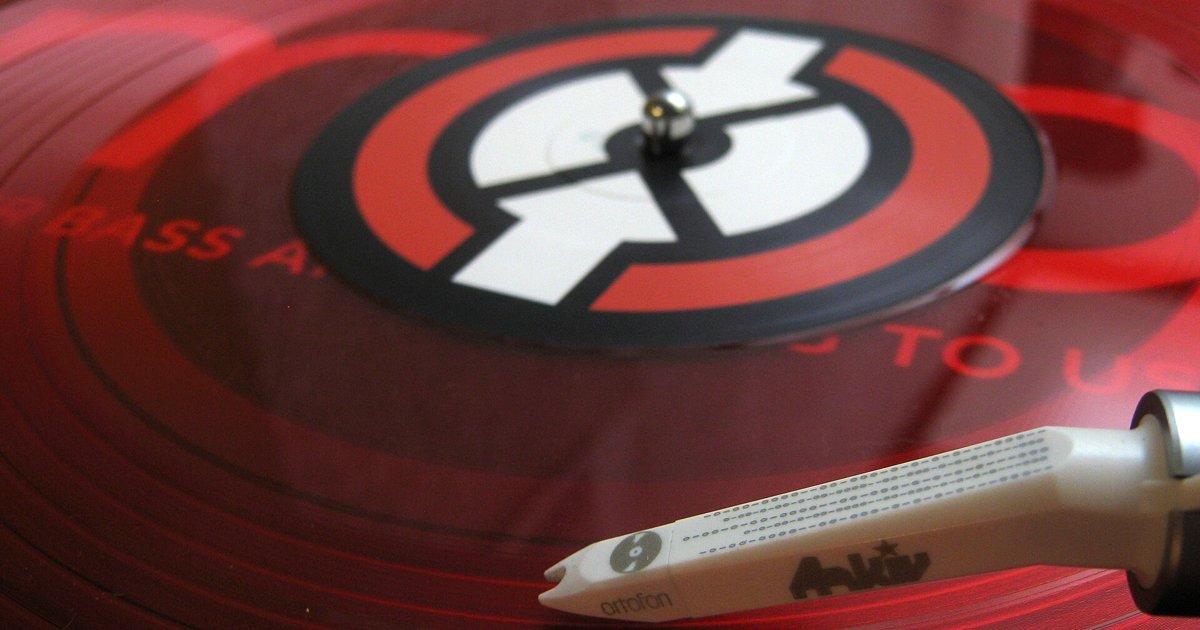
    Ask collectors why they buy, and the answer is often about the experience. Playing a record takes a few deliberate steps. You pick a sleeve, slide out the disc, lower the needle and sit down. Then you have roughly twenty minutes before you must get up and flip it.

    • Focus: The format nudges you to listen to an album as the artist sequenced it, rather than skipping around.
    • Artwork: A twelve-inch sleeve gives cover design, liner notes and lyrics room that a thumbnail cannot.
    • Ownership: A physical object is yours, regardless of licensing changes or catalog removals on streaming services.

    Many younger buyers, who grew up with unlimited digital access, describe the appeal as a break from endless choice. Some do not even own a turntable, treating the record as merchandise or a keepsake, a pattern industry observers have remarked on for years.

    Does it sound better?

    This is the most argued question. Vinyl has real strengths and real limits. The format has a warmth that many listeners describe, partly from gentle distortion and the way the playback chain colors the sound. Compact discs and high-quality streams actually have a wider dynamic range and lower noise on paper.

    What matters more is the mastering. A record cut from a carefully mastered source can sound excellent, while one made from a heavily compressed digital file will not magically improve. Pressing quality varies, and surface noise, warps and dust are part of the territory. Honest enthusiasts will say that preference is subjective, and that the best choice is whichever you enjoy.

    The economics of pressing

    Behind the scenes, the revival has strained the supply side. There are relatively few pressing plants worldwide, and much of the equipment is decades old. When demand surges, waits for production can stretch to many months, especially for independent labels competing against big-name reissues.

    1. Raw materials: Records are made from polyvinyl chloride compound, and supply and cost fluctuate.
    2. Machinery: Presses are no longer widely manufactured, so plants maintain and rebuild vintage machines.
    3. Skilled labor: Mastering engineers and press operators are a small, experienced workforce.
    4. Price: New albums commonly cost noticeably more than a digital subscription month, which keeps buying selective.

    Those pressures help explain why a new vinyl records release often costs more than people expect and why limited colored editions sell out quickly.

    Environmental and practical notes

    The material is not easy to recycle, and some manufacturers are experimenting with alternatives and with using recycled compound. Records also need care. Store them upright, keep them clean, and avoid heat, since warping is a common reason for returns.

    What the revival tells us

    The comeback is a useful reminder that technology does not simply replace older formats. Streaming won on convenience, and vinyl found a role in attention, ceremony and collecting. The two often live side by side in the same household, with one used for background music and the other for deliberate listening.

    Whether the boom continues depends on manufacturing capacity and prices. But the staying power of vinyl records suggests that when so much of life is intangible, many people still want something they can hold and put on a shelf.

    For more background, see the Wikipedia article.
    Related reading

  • Beyoncé Net Worth: Music, Touring and Business Ventures

    Beyoncé Net Worth: Music, Touring and Business Ventures

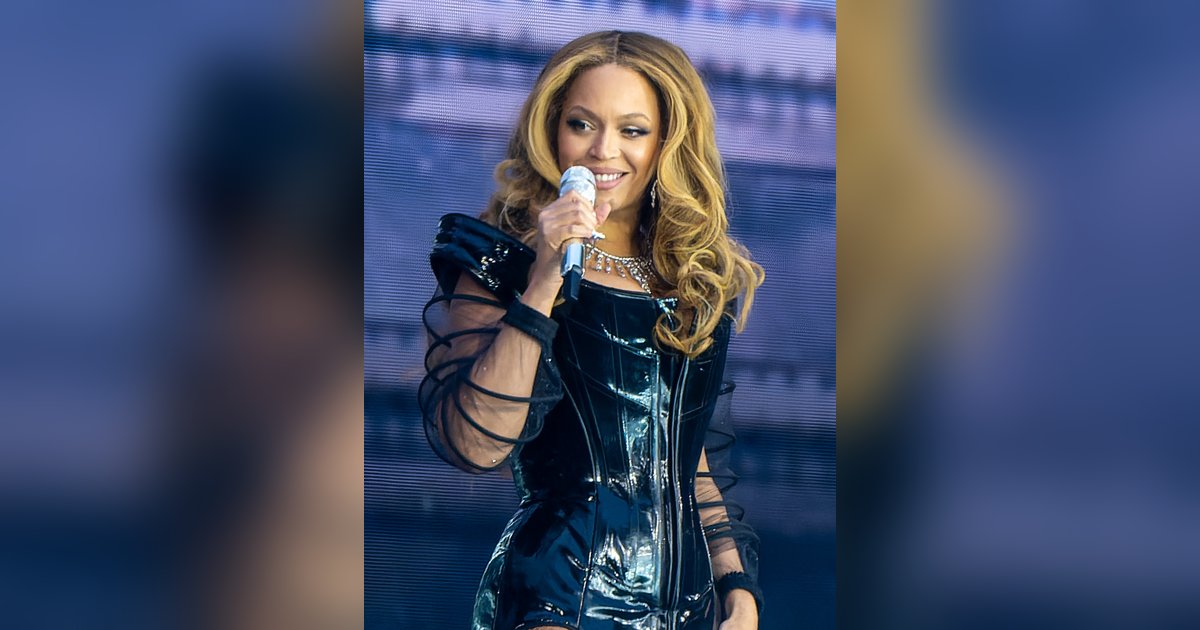
    Beyoncé has been a leading name in popular music since the late 1990s, first as the lead singer of Destiny’s Child and then as a solo artist. Beyoncé net worth is commonly estimated at somewhere around $800 million, with some outlets placing it higher or lower. As with most private fortunes, estimates vary, and the totals shift with tours, catalog valuations and business results.

    From Destiny’s Child to solo stardom

    Any account of Beyoncé net worth begins with her music. Born in Houston, Texas, she rose to fame with Destiny’s Child, one of the best-selling girl groups in history. Her 2003 debut solo album, Dangerously in Love, launched a career that has included Lemonade, Beyoncé, Renaissance, and Cowboy Carter. She holds the record for most Grammy Awards won by any artist, and her 2025 Album of the Year win for Cowboy Carter was widely covered as a career milestone. Awards do not directly create income, but they sustain demand for tickets and catalog streams.

    Touring and live events

    Live performance is the largest source of her income. The Renaissance World Tour in 2023 was reported by industry trackers to have grossed roughly $580 million. A concert film of the tour also arrived in theaters and added to earnings. Her 2025 Cowboy Carter Tour followed, and it was reported as one of the year’s top-grossing tours. Because performers usually receive a major share of ticket revenue after production and venue costs, tours like these can generate hundreds of millions of dollars.

    Her own company and her own rights

    Beyoncé runs Parkwood Entertainment, the company she founded in 2010, which handles management, production and creative projects. That structure matters. Rather than leaving control with a label, Parkwood allows her to guide visuals, film releases and partnerships. She was also an early adopter of surprise album releases and visual albums, a strategy that creates large attention spikes and drives streaming without a long marketing cycle.

    Where else the money comes from

    • Brand partnerships: Long-running deals with companies including Pepsi, and a high-profile partnership with Adidas that led to the Ivy Park line, which she later took back and relaunched independently.
    • Hair care: The Cécred brand, launched in 2024.
    • Spirits: SirDavis whisky, launched with Moët Hennessy in 2024.
    • Streaming and royalties: Income from recorded music and publishing, as she co-writes much of her material.
    • Film and licensing: Work such as voice acting in The Lion King and sync deals.

    Joint ventures and investments

    She and her husband, Jay-Z, are often discussed as a business pair. Jay-Z bought the music streaming service Tidal in 2015 and later sold a majority stake to Square, and the couple have each held a range of investments. Forbes has described them as one of the wealthiest couples in entertainment, though individual and joint wealth are counted differently. Many of their investments are held privately and are not disclosed in detail.

    Real estate

    Property is one of the most visible parts of the picture. In 2023 the couple were reported to have bought a Malibu oceanfront home for roughly $200 million, one of the largest residential sales in California history. They have also owned properties in other cities, including Los Angeles and the Hamptons. High-end real estate tends to hold long-term value, but it can be hard to price, and values vary by source.

    Philanthropy

    Through her BeyGOOD foundation, she has supported disaster relief, scholarships, and small business grants. Charitable work is separate from net worth, but it reflects how she shapes her public profile alongside her business interests.

    Reading the Beyoncé net worth numbers

    Because artists do not publish financial statements, Beyoncé net worth is built from reported tour grosses, royalty benchmarks, deal announcements and property records, with assumptions about taxes and costs. That is why different publishers land on different totals. The consistent pattern is clear: she keeps creative and business control through her own company, relies on touring as a cash engine, and extends her name into consumer brands. For readers curious about how pop stars become business leaders, her career provides a detailed example.

    For more background, see the Wikipedia article.

    Related reading

  • How a Film Score Shapes What You Feel on Screen

    How a Film Score Shapes What You Feel on Screen

    Try watching a tense scene with the sound off, then again with the music back on. The pictures are identical, yet the feeling is not. A film score is the original music written to accompany a movie, and its job is rarely to be noticed. It steers emotion, pace and meaning from beneath the surface of the story.

    From silent films to full orchestras

    Even so-called silent films were never quiet. Theaters hired pianists or organists to improvise along with the picture, partly to cover the noise of the projector. When recorded sound arrived in the late 1920s, studios built music departments, and composers trained in the European concert tradition brought lush orchestral writing to Hollywood.

    Later decades broadened the palette. Jazz shaped crime dramas, synthesizers defined science fiction in the 1970s and 1980s, and electronic textures, found sounds and guitars are now common alongside strings. The tools change, but the purpose holds steady.

    How a score gets made

    The process usually begins with a spotting session, where the director and composer watch a near-final cut and decide where music should start and stop. Deciding where not to put music is as important as deciding where to put it.

    1. Temp tracks: Editors often place existing music in the cut as a placeholder. This helps communicate a mood, though it can also box in the composer.
    2. Writing to picture: The composer sketches themes and builds cues timed to specific moments, often down to fractions of a second.
    3. Mockups: Digital demos let the director hear ideas before an orchestra is booked.
    4. Recording: Musicians play the cues, usually watching the film or following a click track that keeps them in time.
    5. Mixing: The music is balanced against dialogue and sound effects, a delicate step since all three compete for the same frequencies.

    Because the timeline is often squeezed by late editing changes, composers work fast and revise constantly.

    How a film score uses themes

    One of the most recognized tools is the leitmotif, a short musical idea tied to a person, place or concept. The technique was popularized in opera by Richard Wagner and carried into cinema. When the same melody returns in a new key or a new instrument, audiences feel the connection without being told.

    A great film score can transform a motif as the story develops. A heroic theme played triumphantly early on might return slow and fragile near the end. The notes barely change, yet the meaning has.

    The power of restraint

    Some of the most effective music is the least obvious. A single sustained note can build dread. A simple piano line can make a quiet kitchen scene feel heartbreaking. Composers also use silence deliberately. When a loud score abruptly cuts out before a shock, the contrast sharpens the moment.

    • Underscore: Music that sits beneath dialogue and supports mood without drawing attention.
    • Source music: Songs or sounds that exist inside the story, such as a radio playing in a car.
    • Needle drops: Existing songs placed at key moments for instant emotional shorthand or irony.

    Trends in modern scoring

    Recent years have seen a shift toward textural and atmospheric writing. Many scores lean on low drones, processed instruments and rhythmic pulses, rather than big memorable tunes. Fans sometimes lament this, saying that few new movies produce hummable themes, while others argue that the approach suits modern sound design and tighter dialogue mixes.

    Streaming has also changed how scores are heard. Soundtrack albums are widely available, and listeners study cues on their own, which has increased interest in composers as artists in their own right. Concert programs that perform scores live while the film plays on a screen have become a dependable draw for orchestras.

    How to listen differently

    Next time you watch a favorite movie, try a few experiments. Notice when the music enters and what in the scene triggers it. Listen for a recurring melody and track how it changes. Pay attention to the moments when the music vanishes entirely.

    You may find that the scenes you remember most vividly owe half their power to sound. The best film score works like good lighting: you rarely think about it, but remove it and the whole picture feels flatter. That quiet influence is precisely what makes it one of cinema’s most underrated crafts.

    For more background, see the Wikipedia article.
    Related reading

  • Taylor Swift Net Worth: How She Built a Billion-Dollar Brand

    Taylor Swift Net Worth: How She Built a Billion-Dollar Brand

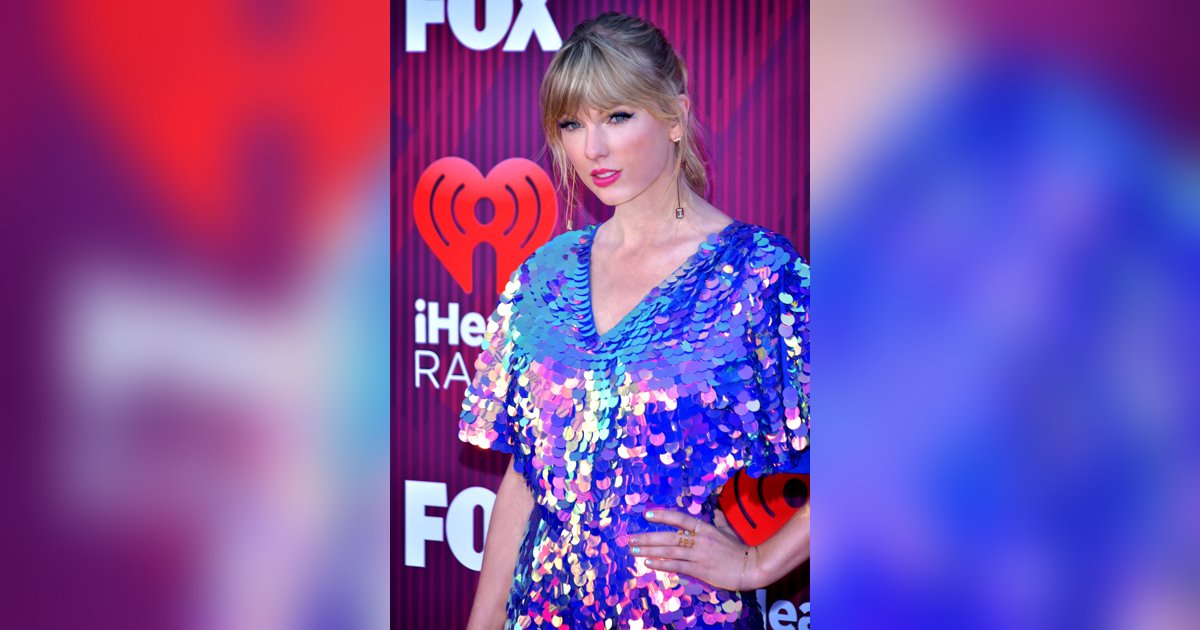
    Few entertainers have turned songwriting into as much leverage as Taylor Swift. Taylor Swift net worth is generally reported to be north of $1 billion, with Forbes placing her among the first musicians to reach billionaire status largely on the strength of music and touring rather than outside businesses. Estimates vary by publication and change as new tours, catalog deals, and valuations come in, so treat any single figure as a snapshot rather than a bank statement.

    From Nashville teenager to global headliner

    Anyone studying Taylor Swift net worth should start with her beginnings. Swift signed her first publishing deal as a teenager in Nashville and released her self-titled debut album in 2006. She built a country following before pivoting to pop, with albums such as 1989, Reputation, Lover, Folklore, Midnights and The Tortured Poets Department. Over time she became one of the best-selling and most-awarded artists of her generation, including multiple Album of the Year Grammy wins. Chart success matters for net worth because it feeds every other income stream, from streaming royalties to ticket demand.

    The Eras Tour effect

    The biggest single driver of her recent wealth is the Eras Tour, which ran from 2023 into late 2024. Industry trade reports described it as the first tour to gross more than $2 billion, a figure widely cited though not independently audited in public. Artists typically keep a significant share of ticket revenue after production, crew, and venue costs, and Swift also earned from merchandise and from the concert film released in theaters. Estimates of her personal take run into the hundreds of millions of dollars, but the exact split is private.

    Owning the masters

    A defining business story is her fight over her early recordings. After the masters of her first six albums were sold to outside owners, she began releasing re-recorded versions branded Taylor’s Version, encouraging fans to prefer them. The strategy gave her a catalog she controlled and strengthened her bargaining position. In 2025 she was reported to have bought back her original master recordings, bringing ownership of her catalog under her control. Owning masters matters because it determines who collects the largest share of recorded-music revenue and who approves licensing.

    Main income sources

    • Touring: Ticket sales, VIP packages, and merchandise are the largest single line.
    • Recorded music: Streaming, album and vinyl sales, and sync licensing for film, television, and ads.
    • Publishing: Songwriting royalties, which pay when other people perform or use her compositions.
    • Film and media: Concert film distribution and documentary projects.
    • Brand partnerships: Selective deals, including past work with major consumer brands, though she has typically chosen fewer than many peers.

    Real estate and other assets

    Public property records and press reports have linked Swift to homes in several places, including Nashville, Rhode Island, New York City, and Los Angeles. Real estate is usually a modest slice of an entertainer’s total wealth compared with music rights and tour income, but it adds a stable, tangible layer. Analysts also point to her catalog as the main asset. Music catalogs of major artists have attracted large offers from investment firms in recent years, which is why ownership of the masters boosted most estimates of her value.

    Why the Taylor Swift net worth model stands out

    Swift’s financial approach has a few distinctive elements. She writes or co-writes most of her songs, which gives her publishing income. She pushes release strategies, from surprise albums to multiple editions, that keep sales going between tours. And she leans on direct fan relationships through her own store and social channels. That combination lowers her reliance on any single intermediary.

    She has also been publicly reported to make large charitable gifts and to pay bonuses to crew members during the Eras Tour. Those reports are not part of the net worth calculation, but they have shaped her public image.

    How reliable are the numbers?

    Celebrity net worth figures are estimates assembled from tour reports, royalty benchmarks, property filings, and assumptions about taxes and expenses. Forbes, Bloomberg, and Celebrity Net Worth can differ by hundreds of millions of dollars. Unlike a public company, an individual artist does not publish accounts, so everything outside confirmed deals is a model. That caveat is worth remembering whenever a headline shows a precise-looking number.

    Whatever the final tally, Taylor Swift net worth tells a clear story: write the songs, protect the rights, sell out the biggest venues, and own as much of the output as you can. Few artists have executed that plan on this scale.

    For more background, see the Wikipedia article.

    Related reading