
Category: Entertainment

  • Why Video Game Remakes Are Everywhere Right Now

    Why Video Game Remakes Are Everywhere Right Now

    Scroll through any digital storefront and you will notice a pattern: familiar titles from fifteen or twenty years ago, rebuilt with modern graphics and a fresh price tag. Video game remakes have become one of the industry’s most reliable categories, and the reasons are a mix of money, technology and plain affection.

    Remaster, remake, reboot: three different things

    The terms get mixed up, but the distinctions are useful when deciding what to buy.

    • Remaster: The original game with upgraded resolution, textures and perhaps small quality-of-life tweaks. The code and design stay largely intact.
    • Remake: A game rebuilt from the ground up, often in a new engine, with new art, audio and sometimes altered controls or structure, while following the original’s story and layout.
    • Reboot: A fresh take that keeps the name and core idea but tells a new story or changes the formula significantly.

    Confusion arises because marketing departments use the words loosely. Checking trailers and reviews usually reveals which one you are looking at.

    Why publishers love video game remakes

    The economics are straightforward. Modern big-budget games cost very large sums and take years to build, and a flop can be painful. A remake starts with a proven design, a recognized title and a built-in audience that remembers the original fondly. Marketing is easier, and risk is lower.

    There is also a practical need. Older games sit on hardware that is no longer sold, or run on engines that do not work on current systems. A remake or remaster makes a classic playable again for people who would otherwise have no legal way to experience it. Preservationists often argue that this is a genuine service, though they also note that rereleases can replace originals and leave older versions harder to find.

    The technology angle

    Game engines have become more powerful and more accessible. Studios can rebuild environments with lighting, physics and detail that were impossible when the original shipped. Modern audio, voice acting and animation can add emotional depth to scenes that once relied on text boxes and imagination.

    Tools have changed design expectations too. Older games sometimes had awkward controls, obscure puzzles or save systems that feel punishing today. The better video game remakes keep the spirit while smoothing out the friction.

    What fans worry about

    Nostalgia is a double-edged sword. Fans have strong memories, and the memory of a game is often kinder than the game itself. Common concerns include the following.

    1. Lost identity: A new art style can erase the atmosphere that defined the original.
    2. Changed gameplay: Altering combat or level layout can disappoint players who loved the old rhythm.
    3. Price: Some remakes are sold at full price, which raises the question of value.
    4. Lack of new ideas: A steady stream of rebuilt classics may crowd out original projects.

    Developers often respond by including options, such as toggles for classic controls or the original soundtrack, to let players tailor the experience.

    Success stories and cautionary tales

    Some remakes have been praised for respecting the source while updating it thoughtfully, earning critical acclaim and strong sales. Others have been criticized for cutting content or introducing bugs at launch. The difference usually comes down to whether the team understood what made the original work, rather than merely what made it look dated.

    That is a lesson for any adaptation. Reproducing every detail is not the goal; keeping the feeling is.

    How to decide whether one is worth it

    If you are weighing a purchase, a few questions help. Did you love the original, or are you curious about it? Does the remake change the game a little or a lot? What do recent player reviews say about performance and bugs? Is there a free demo?

    If you have never played the original, a remake can be an excellent entry point, since it removes many of the barriers that put newcomers off. If you know the original well, expect differences and judge the new version on its own terms.

    The popularity of video game remakes is unlikely to fade soon, since the library of beloved classics keeps growing as each generation ages into a spending audience. The healthiest outcome is a balance, where rebuilt favorites coexist with bold new games, and where the industry treats its own history as something worth preserving well rather than simply reselling.

    For more background, see the Wikipedia article.
    Related reading

  • The Story Behind Post-Credits Scenes in Movies

    The Story Behind Post-Credits Scenes in Movies

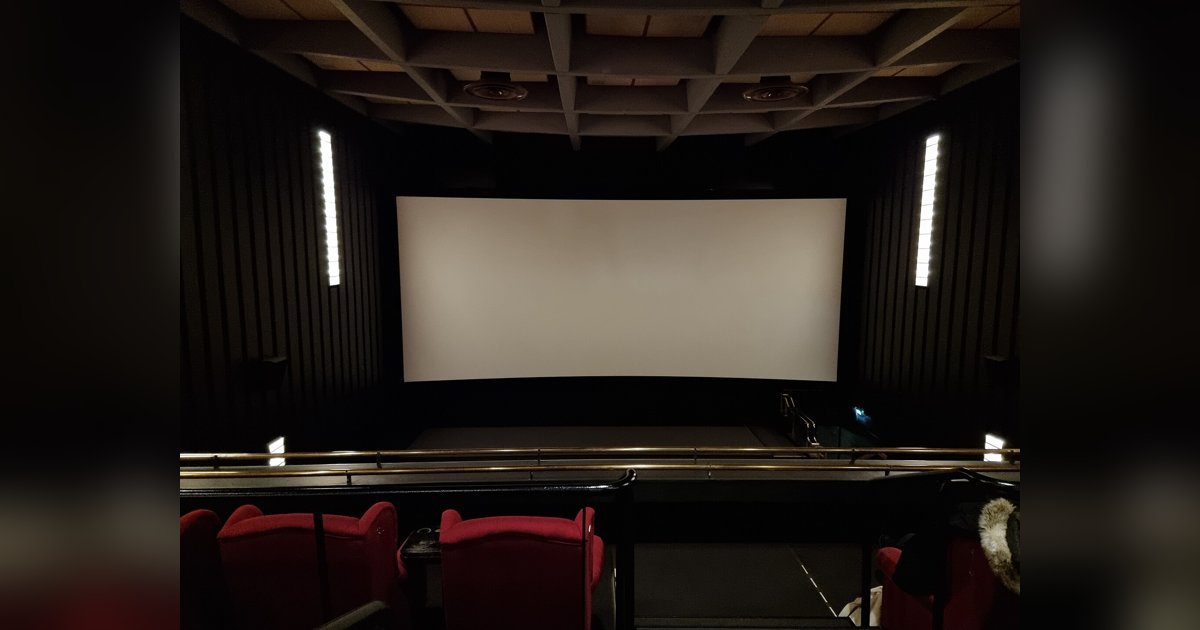
    The lights are up, half the audience is gathering coats, and a few people stay stubbornly in their seats. They know that the best joke or the biggest hint might still be waiting. Post-credits scenes have turned the end titles of a movie into a small game of patience, and the habit has deeper roots than modern franchises.

    Older than superheroes

    Bonus material after the main story is not new. The 1979 comedy The Muppet Movie and a handful of other films of that era tucked in short gags near the end titles. Comedies in the 1980s used the technique often, treating credits as a place for a final punchline. Ferris Bueller’s Day Off, released in 1986, famously has its hero return after the credits to tell the audience to go home.

    These early examples were jokes, intended to reward viewers who stayed. They were not about setting up a sequel. That shift came later.

    The franchise era

    In the 2000s, post-credits scenes became a tool for building connected stories across many films. A short teaser after the credits could introduce a character, hint at a future villain, or reveal that a separate series was part of a bigger universe. Audiences learned to stay to the very end, and the practice became so common that theaters began to field questions about whether there was anything after the credits.

    Studios discovered an unusual benefit. Staying in the theater longer keeps people talking, and the secret footage became part of the conversation online, which functions as free marketing.

    The main types of post-credits scenes

    Not all extra scenes serve the same purpose. A rough sorting looks like this.

    • The joke: A final gag or outtake that lets the audience leave smiling.
    • The teaser: A hint of the next installment, often a new character or a cliffhanger.
    • The epilogue: A quiet scene that resolves a loose thread or shows what happened to a character afterward.
    • The twist: A reveal that changes how the preceding story is understood.
    • The meta moment: A wink at the audience about the credits tradition itself.

    Many films mix these, placing a mid-credits scene partway through the titles and another at the very end. This staggered structure rewards the loyal few who sit through everything.

    Why the credits are a good place for secrets

    From a storytelling view, the credits provide a clean break. The main plot has concluded, so the film does not have to bend its pacing around a teaser. For the editor, an extra scene is a way to add material that would not fit in the narrative without disrupting the ending.

    It also respects different audience types. Casual viewers can leave satisfied with a complete story. Devoted fans are given an optional extra. That layering is part of why the format has lasted.

    The downsides

    Critics point out a few problems. When extra scenes exist mainly to advertise a future film, they can feel like homework. Stories may be left unfinished on purpose, nudging viewers to buy another ticket. Theater staff would also like to clean the room, and some audiences find the sit-and-wait routine annoying.

    Technology has changed the experience as well. On streaming platforms, a button often prompts viewers to skip the credits, which may cause them to miss hidden material. Some filmmakers have responded by moving key content ahead of the credits, while others have embraced home viewing, noting that pausing and rewinding makes it easy to find a hidden scene.

    The craft of a good one

    The most satisfying examples share some qualities. They are short, rarely longer than a minute or two. They work even for viewers who do not follow the wider series. And they respect the ending instead of undercutting it.

    A well-made scene feels like a gift, not a tracking device. A great one is remembered for the surprise or the laugh rather than the setup.

    As long as audiences enjoy a secret, post-credits scenes will likely persist, evolving with the platforms where films are watched. They endure because they tap into a simple pleasure: the idea that sticking around, just a little longer than everyone else, will be rewarded with something extra.

    For more background, see the Wikipedia article.
    Related reading

  • Why Vinyl Records Keep Coming Back in a Streaming Age

    Why Vinyl Records Keep Coming Back in a Streaming Age

    A format that many people declared dead in the 1990s refuses to go away. Vinyl records have enjoyed a long revival, with new pressings, reissues and dedicated shops appearing even as nearly every song ever recorded sits a tap away on a phone. The reasons have less to do with nostalgia than you might expect.

    A brief history of the groove

    The long-playing vinyl disc arrived in 1948, offering about twenty minutes a side at 33 and a third revolutions per minute. Singles on seven-inch discs followed. For decades, records were the main way people bought music at home. Then cassettes and compact discs took over, and by the early 2000s vinyl was a niche pursuit for DJs, collectors and audiophiles.

    Sales began to climb again around the late 2000s, helped by events such as Record Store Day, which launched in 2008 to promote independent shops with special releases. Industry bodies in several countries have reported years of consecutive growth since, though from a small base compared with streaming.

    Why vinyl records are about ritual

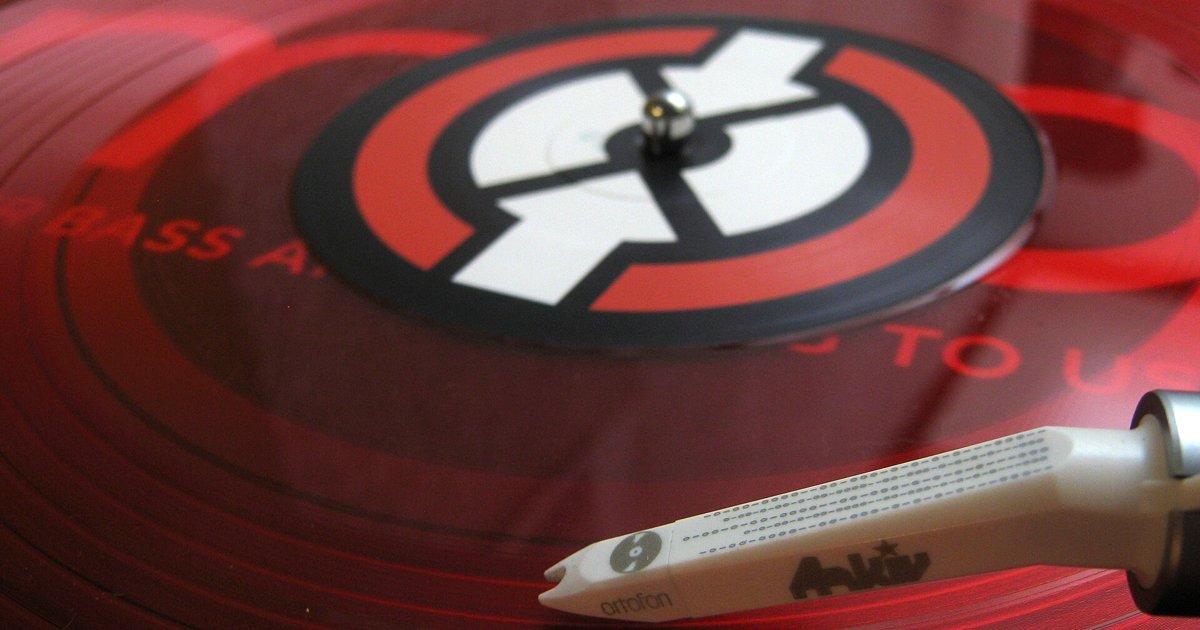
    Ask collectors why they buy, and the answer is often about the experience. Playing a record takes a few deliberate steps. You pick a sleeve, slide out the disc, lower the needle and sit down. Then you have roughly twenty minutes before you must get up and flip it.

    • Focus: The format nudges you to listen to an album as the artist sequenced it, rather than skipping around.
    • Artwork: A twelve-inch sleeve gives cover design, liner notes and lyrics room that a thumbnail cannot.
    • Ownership: A physical object is yours, regardless of licensing changes or catalog removals on streaming services.

    Many younger buyers, who grew up with unlimited digital access, describe the appeal as a break from endless choice. Some do not even own a turntable, treating the record as merchandise or a keepsake, a pattern industry observers have remarked on for years.

    Does it sound better?

    This is the most argued question. Vinyl has real strengths and real limits. The format has a warmth that many listeners describe, partly from gentle distortion and the way the playback chain colors the sound. Compact discs and high-quality streams actually have a wider dynamic range and lower noise on paper.

    What matters more is the mastering. A record cut from a carefully mastered source can sound excellent, while one made from a heavily compressed digital file will not magically improve. Pressing quality varies, and surface noise, warps and dust are part of the territory. Honest enthusiasts will say that preference is subjective, and that the best choice is whichever you enjoy.

    The economics of pressing

    Behind the scenes, the revival has strained the supply side. There are relatively few pressing plants worldwide, and much of the equipment is decades old. When demand surges, waits for production can stretch to many months, especially for independent labels competing against big-name reissues.

    1. Raw materials: Records are made from polyvinyl chloride compound, and supply and cost fluctuate.
    2. Machinery: Presses are no longer widely manufactured, so plants maintain and rebuild vintage machines.
    3. Skilled labor: Mastering engineers and press operators are a small, experienced workforce.
    4. Price: New albums commonly cost noticeably more than a digital subscription month, which keeps buying selective.

    Those pressures help explain why a new vinyl records release often costs more than people expect and why limited colored editions sell out quickly.

    Environmental and practical notes

    The material is not easy to recycle, and some manufacturers are experimenting with alternatives and with using recycled compound. Records also need care. Store them upright, keep them clean, and avoid heat, since warping is a common reason for returns.

    What the revival tells us

    The comeback is a useful reminder that technology does not simply replace older formats. Streaming won on convenience, and vinyl found a role in attention, ceremony and collecting. The two often live side by side in the same household, with one used for background music and the other for deliberate listening.

    Whether the boom continues depends on manufacturing capacity and prices. But the staying power of vinyl records suggests that when so much of life is intangible, many people still want something they can hold and put on a shelf.

    For more background, see the Wikipedia article.

    Related reading

  • How a Film Score Shapes What You Feel on Screen

    How a Film Score Shapes What You Feel on Screen

    Try watching a tense scene with the sound off, then again with the music back on. The pictures are identical, yet the feeling is not. A film score is the original music written to accompany a movie, and its job is rarely to be noticed. It steers emotion, pace and meaning from beneath the surface of the story.

    From silent films to full orchestras

    Even so-called silent films were never quiet. Theaters hired pianists or organists to improvise along with the picture, partly to cover the noise of the projector. When recorded sound arrived in the late 1920s, studios built music departments, and composers trained in the European concert tradition brought lush orchestral writing to Hollywood.

    Later decades broadened the palette. Jazz shaped crime dramas, synthesizers defined science fiction in the 1970s and 1980s, and electronic textures, found sounds and guitars are now common alongside strings. The tools change, but the purpose holds steady.

    How a score gets made

    The process usually begins with a spotting session, where the director and composer watch a near-final cut and decide where music should start and stop. Deciding where not to put music is as important as deciding where to put it.

    1. Temp tracks: Editors often place existing music in the cut as a placeholder. This helps communicate a mood, though it can also box in the composer.
    2. Writing to picture: The composer sketches themes and builds cues timed to specific moments, often down to fractions of a second.
    3. Mockups: Digital demos let the director hear ideas before an orchestra is booked.
    4. Recording: Musicians play the cues, usually watching the film or following a click track that keeps them in time.
    5. Mixing: The music is balanced against dialogue and sound effects, a delicate step since all three compete for the same frequencies.

    Because the timeline is often squeezed by late editing changes, composers work fast and revise constantly.

    How a film score uses themes

    One of the most recognized tools is the leitmotif, a short musical idea tied to a person, place or concept. The technique was popularized in opera by Richard Wagner and carried into cinema. When the same melody returns in a new key or a new instrument, audiences feel the connection without being told.

    A great film score can transform a motif as the story develops. A heroic theme played triumphantly early on might return slow and fragile near the end. The notes barely change, yet the meaning has.

    The power of restraint

    Some of the most effective music is the least obvious. A single sustained note can build dread. A simple piano line can make a quiet kitchen scene feel heartbreaking. Composers also use silence deliberately. When a loud score abruptly cuts out before a shock, the contrast sharpens the moment.

    • Underscore: Music that sits beneath dialogue and supports mood without drawing attention.
    • Source music: Songs or sounds that exist inside the story, such as a radio playing in a car.
    • Needle drops: Existing songs placed at key moments for instant emotional shorthand or irony.

    Trends in modern scoring

    Recent years have seen a shift toward textural and atmospheric writing. Many scores lean on low drones, processed instruments and rhythmic pulses, rather than big memorable tunes. Fans sometimes lament this, saying that few new movies produce hummable themes, while others argue that the approach suits modern sound design and tighter dialogue mixes.

    Streaming has also changed how scores are heard. Soundtrack albums are widely available, and listeners study cues on their own, which has increased interest in composers as artists in their own right. Concert programs that perform scores live while the film plays on a screen have become a dependable draw for orchestras.

    How to listen differently

    Next time you watch a favorite movie, try a few experiments. Notice when the music enters and what in the scene triggers it. Listen for a recurring melody and track how it changes. Pay attention to the moments when the music vanishes entirely.

    You may find that the scenes you remember most vividly owe half their power to sound. The best film score works like good lighting: you rarely think about it, but remove it and the whole picture feels flatter. That quiet influence is precisely what makes it one of cinema’s most underrated crafts.

    For more background, see the Wikipedia article.
    Related reading

  • The True Crime Boom: Why We Can’t Stop Watching and Listening

    The True Crime Boom: Why We Can’t Stop Watching and Listening

    On any given night, a large audience is parked on a sofa with a documentary about a missing person, or listening to a podcast that walks through a decades-old cold case. The true crime genre has grown from a corner of the bookshop into a major presence in podcasts, streaming and television. Its popularity raises two good questions: why does it appeal, and what does it owe to the people it covers?

    A very old appetite

    Storytelling about real crimes is hardly new. Nineteenth-century pamphlets and newspaper serials sold on lurid accounts of murders and trials. In the twentieth century, magazines and paperbacks carried the tradition forward. Truman Capote’s In Cold Blood, published in 1966, was a landmark that treated a real case with literary ambition.

    Television added reenactment shows and investigative programs. Then the 2010s brought a second wave, when serialized podcasts demonstrated that audiences would follow a single case across many episodes. Streaming services responded with documentary series, and the format became a staple.

    What draws people to true crime

    Researchers who study media psychology offer several explanations, though none is a complete answer.

    • Puzzle solving: A mystery invites you to weigh clues and test theories, the same pleasure as a fictional detective story.
    • Safe exposure to fear: Learning about danger from a secure spot can feel like rehearsal, helping people think through how they might respond.
    • Curiosity about motive: People want to understand how ordinary lives went wrong.
    • Justice and resolution: Stories of persistent investigation and eventual answers satisfy a desire for order.

    Surveys in several countries have suggested that women make up a large share of the audience for true crime podcasts, and some researchers link this to an interest in personal safety. Findings vary by study, so it is wise to treat these patterns as tendencies, not rules.

    Why it suits podcasts and streaming

    The format fits the delivery. A case with many twists and a long timeline can be unspooled gradually, ending each installment on a cliffhanger. Audio works well for commutes and chores, and the intimate voice of a host builds a sense of companionship. Streaming platforms, meanwhile, lend themselves to binge viewing, which suits slow-burn investigations.

    Production costs also help. A podcast about a case can be made with modest equipment, while a documentary can rely on archived footage, interviews and court records. That low barrier encourages a flood of new shows of uneven quality.

    The ethical questions

    The genre has attracted real criticism, and thoughtful creators engage with it. The central issue is that the stories involve real victims and real families, and entertainment can sit uneasily with grief.

    1. Consent and privacy: Relatives may be contacted or portrayed without wanting to relive events.
    2. Sensationalism: Dramatic music and cliffhangers can turn suffering into spectacle.
    3. Focus on perpetrators: Some shows spend more time on the offender than on the people harmed.
    4. Accuracy and speculation: Amateur theorizing can point suspicion at people who have not been charged, and online communities have sometimes misidentified individuals.
    5. Fairness in the justice process: Some documentaries have prompted fresh scrutiny of convictions, which is valuable, while others present one-sided accounts.

    Responsible productions try to center victims, consult families, make clear what is established fact versus theory, and avoid glamorizing violence.

    When it does real good

    It would be unfair to ignore the positives. Some investigative series have drawn new attention to unsolved cases and, in a number of reported instances, brought forward fresh witnesses or prompted reviews. Others have exposed gaps in how institutions handle evidence or missing persons reports. Done well, the genre can function as accountability journalism wrapped in an engaging story.

    Being a thoughtful viewer

    If you enjoy these shows, a few habits keep the experience healthy. Check who made the production and how it sources its claims. Treat theories as theories. Take breaks if the material starts to feel heavy, and remember that a polished narrative is a version of events, not the entire record.

    The enduring pull of true crime reflects something very human: a mix of curiosity, fear and the wish to see order restored. The best work in the genre honors that curiosity without forgetting that behind every case file is a person.

    For more background, see the Wikipedia article.

    Related reading

  • Why Streaming Services Keep Raising Prices and Bundling

    Why Streaming Services Keep Raising Prices and Bundling

    A decade ago, streaming felt like an escape from the cable bill. Today many households juggle several subscriptions, each with its own app, price and rotating library. The shift has a logic, and understanding it helps explain why streaming services increasingly resemble the thing they replaced.

    The land grab, then the reckoning

    In the early years, the goal was growth. Companies spent heavily on original shows and licensed catalogs to win subscribers, and many operated at a loss, betting that scale would pay off later. Investors rewarded rising subscriber counts.

    That mood changed. As the market matured and borrowing became costlier, investors began to ask for profit instead of just growth. Companies responded by raising prices, trimming spending and rethinking their strategies. This is the main reason monthly fees have crept upward in many markets.

    The ad-supported tier

    One of the biggest changes is the cheaper plan with commercials. Providers argue that this gives price-sensitive viewers an option, while also opening a new revenue stream. Advertisers pay to reach engaged audiences, and the platform earns money even from customers on lower fees.

    • For viewers: A lower monthly price in exchange for ad breaks and sometimes a smaller library or lower video quality.
    • For platforms: Advertising income, plus data about what people watch.
    • For advertisers: Targeted placements on shows they could not easily buy before.

    Some companies have made the ad tier the default or steered customers toward it by raising the price of the ad-free plan. Check the terms when you sign up, as features differ between providers.

    Crackdowns on password sharing

    Sharing logins with friends and relatives was long tolerated and even seen as a growth tool. As subscriber growth slowed, several platforms began limiting sharing outside a household, sometimes offering a paid extra member option. Reports suggested that many companies saw sign-ups rise after these changes, though some customers cancelled. The exact balance varies by service and market.

    Why streaming services bundle again

    Bundling is the old cable idea in new clothing, and the economics explain the revival. A subscriber who pays for one service may cancel after finishing a favorite show, a behavior known as churn. Companies hate churn, since winning back a customer costs money. Packages that combine several services lower the chance of cancellation, because leaving means losing multiple things at once.

    1. Partnerships: Two or more providers sell a joint plan at a discount.
    2. Telecom and retail deals: Phone, internet or shopping subscriptions that include a service at no extra charge.
    3. Aggregator hubs: Apps and platforms that let you subscribe to several channels in one place.

    For customers, bundles can save real money, but they can also lock in subscriptions you barely use.

    The content shuffle

    Another trend is the movement of shows between platforms. Companies that once kept all their material exclusive have begun licensing some titles to rivals, because license fees are dependable income. Meanwhile, some programs have been removed from services entirely, which affects what is available and has frustrated viewers who counted on a title being there. Rival streaming services now trade titles more often than they once did, and free ad-supported streaming channels, which offer a rotating lineup at no charge, have grown in parallel.

    Keeping your costs in check

    If subscription fatigue is wearing on your budget, a few practical moves help.

    • List what you pay for and when you last used each one.
    • Rotate: subscribe for a month or two to finish a series, cancel, then return later.
    • Compare the ad tier with the standard plan and decide if the interruptions bother you.
    • Look for bundles or promotions through your phone or internet provider.
    • Use a calendar reminder for free trials so you are not billed unexpectedly.

    Where it is heading

    Analysts expect continued consolidation, with larger companies combining libraries and smaller services merging or partnering. Live sports and news are increasingly central, since they attract viewers who watch in real time and see the ads. The long-term picture looks like a more familiar mix of channels, fees and packages.

    For viewers, the practical takeaway is that loyalty to any single provider rarely pays. Streaming services will keep experimenting with prices and plans, and the smartest approach is to treat each subscription as a flexible choice rather than a permanent fixture of the household budget.

    For more background, see the Wikipedia article.

    Related reading