Lisbon is a city built on seven hills, and your calves will notice. It is also one of the most rewarding capitals in Europe for a slow trip: pastel tiles, faded palaces, small restaurants and light that makes even a gray building look golden. This Lisbon city guide is built for people who want to see the highlights without racing between them.
Understand the Layout First: A Lisbon City Guide
The city rises from the Tagus River in layers. The flat grid of Baixa sits at the bottom, rebuilt after the 1755 earthquake. Alfama, the old Moorish quarter, climbs up toward the castle in a tangle of alleys. Bairro Alto and Chiado sit on the opposite hill, full of bookshops, bars and cafes. Belem lies to the west along the river and holds the big monuments.
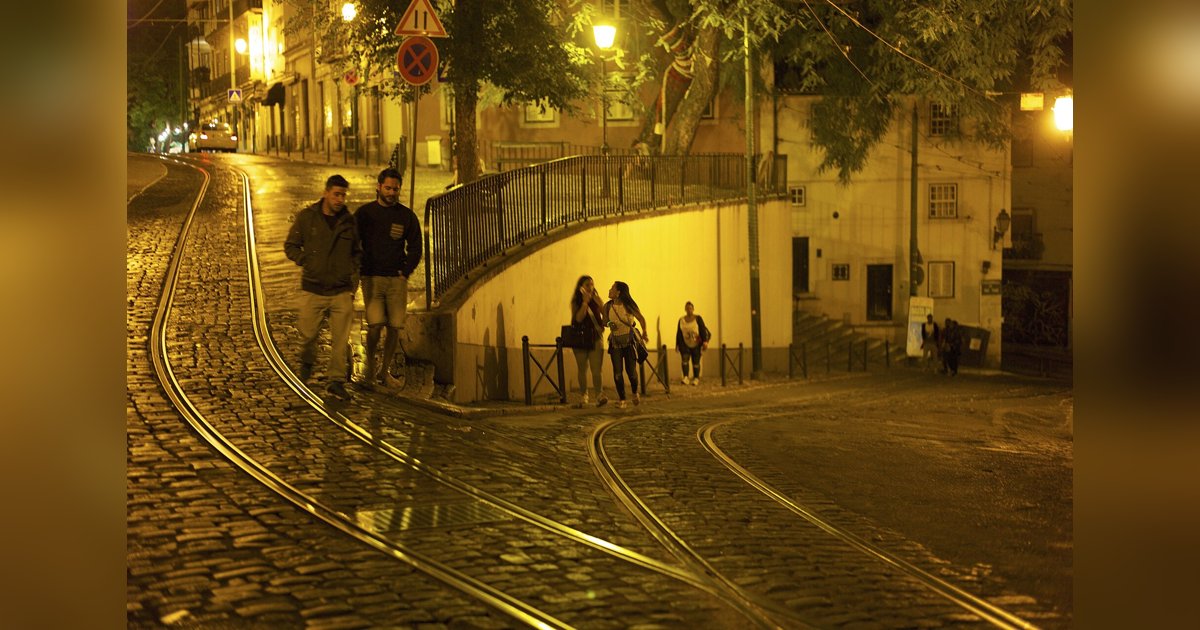
Pick a base in Baixa, Chiado or Alfama and you can reach most sights on foot. Wear shoes with grip, because the limestone pavements can be slick when wet.
Neighborhoods Worth Your Time
Alfama rewards aimless walking. Follow the sound of fado through a doorway, stop at a viewpoint such as Miradouro das Portas do Sol, and then keep climbing to Sao Jorge Castle for the wide panorama. Go early, before tour groups arrive.
Graca is quieter and feels more local, with its own viewpoints and small squares. Principe Real offers leafy gardens and independent shops. Further east, Marvila has converted warehouses that now house breweries, galleries and studios, which suits travelers who like a less polished edge.
Getting Around Without Misery
Trams and funiculars are charming, but Tram 28 is famously crowded and attracts pickpockets. Ride it from the start of the line in the morning, or skip it and use Tram 12 for a similar loop with fewer people. The metro is clean and simple. A rechargeable transit card makes buses, trams and trains cheaper than buying single tickets.
Taxis and ride apps are inexpensive by Western European standards, and they help with the steepest climbs. For Belem, take the tram or the suburban train along the river, and give the area half a day.
What to Eat and Drink
The pastel de nata is the obvious start, a custard tart with a blistered top and flaky shell. Try it warm, with cinnamon, at a local bakery rather than only at the famous one with the queue. Beyond pastries, look for grilled sardines in summer, bacalhau prepared in dozens of ways, caldo verde soup and bifana, the garlicky pork sandwich that makes a fine cheap lunch.
Ask for the dish of the day, called prato do dia. It usually costs a few euros, comes with soup or a drink, and reflects what the kitchen cooked that morning. Coffee is strong and small; order a bica for espresso or a galao for a milky glass.
Day Trips Worth Taking
Sintra is the classic escape, with its fairytale palaces and forested hills, but it is crowded in summer. Go on a weekday and book the major palace tickets ahead. If you prefer the sea, take the train to Cascais and walk the coastal path. Further south, the beaches of the Arrabida coast and the town of Setubal offer seafood and quieter water.
Evora and the Alentejo are possible as longer excursions, though they suit a night or two rather than a rushed day.
Practical Notes for First-Timers
Spring and autumn are the best seasons, with mild weather and fewer visitors. August is hot and busy. Keep an eye on valuables in tourist areas and on public transport, and avoid people who offer unrequested help at ticket machines. Many restaurants close one day a week, often Sunday or Monday, so check before you go.
Finally, give yourself time to sit. Buy a coffee, find a viewpoint, and watch the river change colors. A good Lisbon city guide can only point you toward the hills; the real pleasure comes from stopping partway up one.
One last note for this Lisbon city guide: build in slack. Plans slip when a viewpoint turns out to be irresistible or a tram line is suspended for repairs. Keep one afternoon open for whatever you loved most, whether that was a street in Alfama, a bakery in Chiado or the sunset by the river. Lisbon pays back unhurried visitors more than any checklist can.
For more background, see the Wikipedia article.