
Author: rabbiit_admin

  • The Story Behind Post-Credits Scenes in Movies

    The Story Behind Post-Credits Scenes in Movies

    The lights are up, half the audience is gathering coats, and a few people stay stubbornly in their seats. They know that the best joke or the biggest hint might still be waiting. Post-credits scenes have turned the end titles of a movie into a small game of patience, and the habit has deeper roots than modern franchises.

    Older than superheroes

    Bonus material after the main story is not new. The 1979 comedy The Muppet Movie and a handful of other films of that era tucked in short gags near the end titles. Comedies in the 1980s used the technique often, treating credits as a place for a final punchline. Ferris Bueller’s Day Off, released in 1986, famously has its hero return after the credits to tell the audience to go home.

    These early examples were jokes, intended to reward viewers who stayed. They were not about setting up a sequel. That shift came later.

    The franchise era

    In the 2000s, post-credits scenes became a tool for building connected stories across many films. A short teaser after the credits could introduce a character, hint at a future villain, or reveal that a separate series was part of a bigger universe. Audiences learned to stay to the very end, and the practice became so common that theaters began to field questions about whether there was anything after the credits.

    Studios discovered an unusual benefit. Staying in the theater longer keeps people talking, and the secret footage became part of the conversation online, which functions as free marketing.

    The main types of post-credits scenes

    Not all extra scenes serve the same purpose. A rough sorting looks like this.

    • The joke: A final gag or outtake that lets the audience leave smiling.
    • The teaser: A hint of the next installment, often a new character or a cliffhanger.
    • The epilogue: A quiet scene that resolves a loose thread or shows what happened to a character afterward.
    • The twist: A reveal that changes how the preceding story is understood.
    • The meta moment: A wink at the audience about the credits tradition itself.

    Many films mix these, placing a mid-credits scene partway through the titles and another at the very end. This staggered structure rewards the loyal few who sit through everything.

    Why the credits are a good place for secrets

    From a storytelling view, the credits provide a clean break. The main plot has concluded, so the film does not have to bend its pacing around a teaser. For the editor, an extra scene is a way to add material that would not fit in the narrative without disrupting the ending.

    It also respects different audience types. Casual viewers can leave satisfied with a complete story. Devoted fans are given an optional extra. That layering is part of why the format has lasted.

    The downsides

    Critics point out a few problems. When extra scenes exist mainly to advertise a future film, they can feel like homework. Stories may be left unfinished on purpose, nudging viewers to buy another ticket. Theater staff would also like to clean the room, and some audiences find the sit-and-wait routine annoying.

    Technology has changed the experience as well. On streaming platforms, a button often prompts viewers to skip the credits, which may cause them to miss hidden material. Some filmmakers have responded by moving key content ahead of the credits, while others have embraced home viewing, noting that pausing and rewinding makes it easy to find a hidden scene.

    The craft of a good one

    The most satisfying examples share some qualities. They are short, rarely longer than a minute or two. They work even for viewers who do not follow the wider series. And they respect the ending instead of undercutting it.

    A well-made scene feels like a gift, not a tracking device. A great one is remembered for the surprise or the laugh rather than the setup.

    As long as audiences enjoy a secret, post-credits scenes will likely persist, evolving with the platforms where films are watched. They endure because they tap into a simple pleasure: the idea that sticking around, just a little longer than everyone else, will be rewarded with something extra.

    For more background, see the Wikipedia article.
    Related reading

  • Software Update Habits That Keep Your Devices Safe

    Software Update Habits That Keep Your Devices Safe

    The pop-up that says an update is ready tends to arrive at the worst moment, so most of us click remind me tomorrow. A week later it is still waiting. Developing sensible software update habits is one of the most effective, least glamorous things you can do for your digital life, and it does not take much time.

    Why updates matter

    Updates do several jobs. The most important is fixing security vulnerabilities, which are flaws that attackers can exploit to steal data or take control of a device. Once a fix is published, criminals study it and build attacks aimed at people who have not applied it. That is why delay carries risk.

    Updates also repair bugs, improve battery life and compatibility, and sometimes add features. Occasionally they change an interface in ways you dislike, which explains some of the reluctance. But the security argument usually outweighs the annoyance.

    What needs updating

    People think of the phone and laptop operating system, but the list is longer.

    • Operating systems on phones, tablets and computers.
    • Web browsers and their extensions, which handle a huge amount of untrusted content.
    • Apps, especially those handling money, messaging or files.
    • Router firmware, which protects your whole network and is often forgotten.
    • Smart home devices such as cameras, plugs and TVs.
    • Office and creative software on your computer.

    Devices that no longer receive updates become a growing risk. Check your manufacturer’s support page for an end-of-support date before buying and plan to replace gear that has passed it.

    Turn on automatic updates

    The simplest of all software update habits is letting the machine do the work. Enable automatic updates for the operating system, browser and apps wherever the option exists. Set an installation window overnight, when the device is plugged in and idle.

    Automatic updates do carry a small chance of problems, but for most home users the protection is worth it. Businesses with specialist tools may want to test first, which is why IT departments often stage rollouts.

    When it is fine to wait a few days

    There is a case for patience with major version upgrades, such as a new yearly release of an operating system. Early versions sometimes ship with bugs, and compatibility with older apps or printers may lag. Waiting a couple of weeks and reading reports is reasonable, as long as you keep installing the smaller security patches in the meantime. For critical security fixes, though, update promptly.

    A calm routine for software update habits

    Instead of reacting to alerts, schedule it. Pick a day each month, perhaps the first Sunday, and run through a short list.

    1. Check the operating system update page on each computer and phone.
    2. Open the app store and update everything pending.
    3. Restart each device, since some updates only finish after a reboot.
    4. Log in to your router and confirm the firmware version, updating if offered.
    5. Remove apps and browser extensions you no longer use. Less software means fewer things to patch.

    Restarting is an underrated step. Many people leave a laptop sleeping for weeks, which delays updates that need a restart to take effect.

    Protect yourself before you update

    Updates rarely cause data loss, but a backup makes the risk irrelevant. Keep a recent copy of important files on an external drive or a cloud service. Make sure there is enough battery or that the device is plugged in, and free some storage space, because large updates need room to unpack.

    Beware of fake update prompts

    Criminals also exploit the habit of clicking update. A pop-up on a website claiming your browser or video player is out of date is a common trick to install malware. Real updates come from the system settings or the official app store, not from a web page or an email link. If you are unsure, close the page and go to settings yourself.

    Make it automatic and forget it

    Good software update habits are mostly about removing decisions. Switch on automation, restart once a week, review your router and old apps monthly, and keep a backup. The reward is uneventful computing: fewer breaches, fewer odd glitches and no more pop-ups making you feel guilty every morning.

    For more background, see the Wikipedia article.
    Related reading

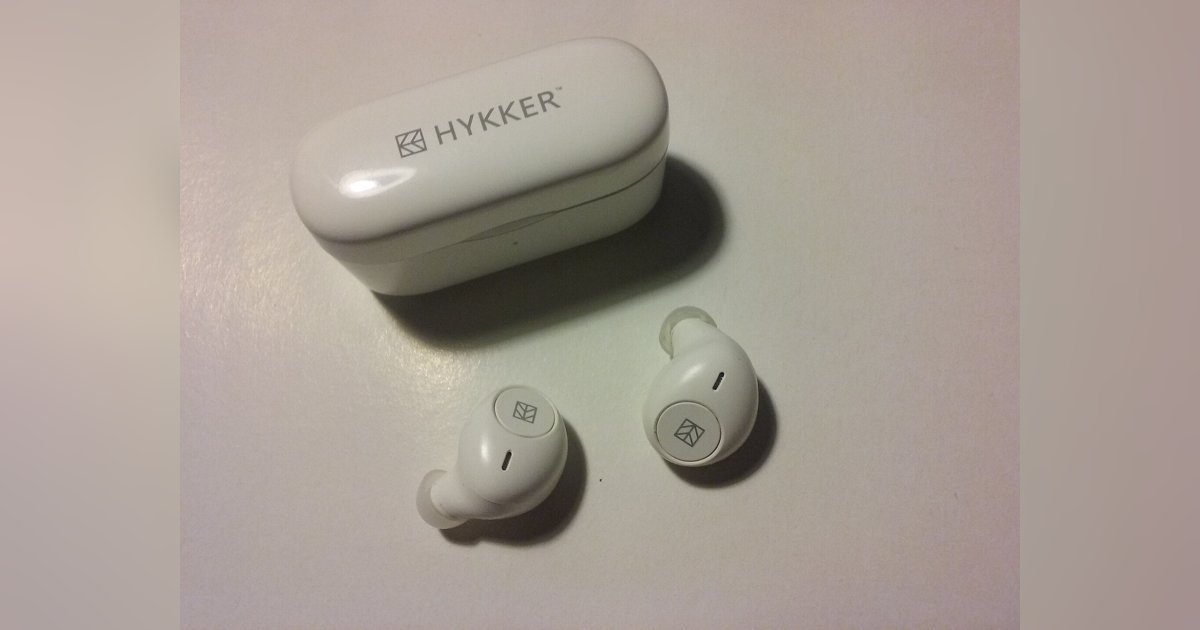
  • Wireless Earbuds Buying Guide: What Actually Matters

    Wireless Earbuds Buying Guide: What Actually Matters

    Walk into any electronics shop and you will find a wall of wireless earbuds with prices from the cost of a sandwich to the cost of a laptop. The marketing is loud, the specifications are confusing and the differences can feel tiny. Yet a few factors genuinely change your daily experience, and most of the rest is noise.

    Wireless earbuds: fit and comfort come first

    The best sound in the world is useless if the buds hurt after an hour or fall out when you jog. Fit also affects sound quality, because a good seal in the ear canal is what delivers bass and blocks outside noise.

    • In-ear tips with silicone sleeves seal best and usually include several sizes. Try them all.
    • Open-fit designs sit at the ear opening, which is comfortable and lets you hear traffic, though they leak more sound and have weaker bass.
    • Wing or hook designs add stability for sport.

    If you can, test in person or buy from a seller with an easy return policy.

    Noise cancelling versus transparency

    Active noise cancelling uses microphones to pick up ambient sound and produces opposing waves to reduce it. It works best on steady, low sounds like aircraft engines, train rumble and air conditioning, and it is less effective against sudden noises like voices. Cancelling quality varies a lot between models, so check independent reviews that test it.

    Transparency or ambient mode does the opposite, passing outside sound through the microphones so you can hear announcements or hold a conversation without removing the buds. It is a feature worth having if you commute or walk in cities.

    Battery life in the real world

    Manufacturers publish figures such as six hours of listening, with the case adding several more charges. These numbers usually assume moderate volume and noise cancelling off. Expect somewhat less when cancelling is on.

    Consider how you use them. For a commute of an hour each way, five hours per charge is plenty. For long flights or all-day calls, look for more, and check whether a quick ten-minute charge gives an hour or so of playback. Remember that small batteries wear out, and many earbuds are hard to repair, so lifespan is a legitimate part of the price.

    Sound quality and codecs

    Bluetooth sends audio with a codec, a method of compressing it. The basic one, SBC, works on everything. AAC is common on Apple devices, and others such as aptX or LDAC on some Android phones can offer higher quality when both phone and earbuds support them. Honestly, in a noisy street most people struggle to hear the difference. What matters more is the tuning: whether the sound is balanced, with clear voices and controlled bass. Reviews that include measurements and companion app equalizers can help here.

    Calls and microphones

    If you take many calls, test microphone quality. Good models use several microphones and software to isolate your voice. Earbuds that sound great for music can still make you sound muffled to the person on the other end. Look for reviews with recorded call samples.

    Connectivity and extras

    1. Bluetooth version. Newer versions improve stability and efficiency, but any recent one is adequate.
    2. Multipoint pairing. Lets you connect to a laptop and phone at once and switch automatically.
    3. Water resistance. Look for an IPX4 rating or higher for sweat and light rain. It does not mean you can swim.
    4. Controls. Physical buttons are easier to use in gloves than touch surfaces that trigger accidentally.
    5. Find-my features. A tracking function can save you when a single bud goes missing.

    How much should you spend on wireless earbuds?

    Budget models from reputable brands now deliver surprisingly good sound and decent battery life. Spending more usually buys better noise cancelling, call quality, build, software polish and integration with your phone. Mid-range options often give the best value. Be sceptical of dramatic claims, and compare a couple of independent reviews instead of trusting a single source.

    Finally, protect your ears. Keep the volume at a level where you can still hear someone speaking nearby, and take breaks during long sessions. The right wireless earbuds are the ones that fit well, sound pleasant at moderate volume and last through your normal day, and that is a simple standard to shop by.

    For more background, see the Wikipedia article.
    Related reading

  • LeBron James Net Worth: Court Earnings and Business Plays

    LeBron James Net Worth: Court Earnings and Business Plays

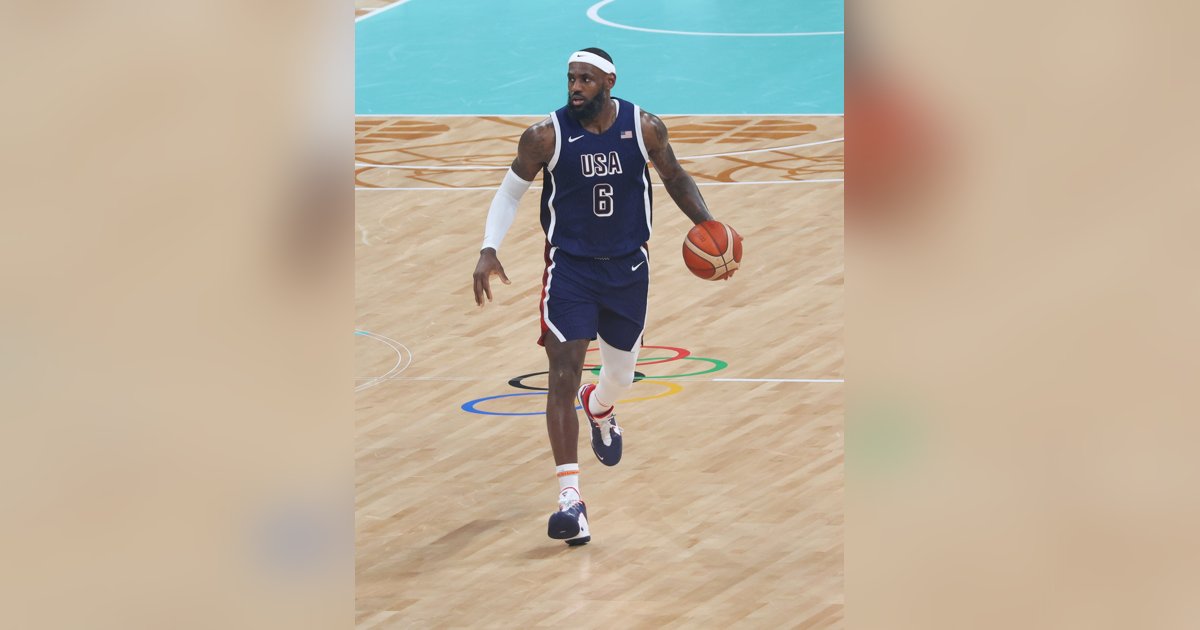
    When Forbes reported in 2022 that LeBron James had become a billionaire, he was described as the first active NBA player to reach that milestone. LeBron James net worth is usually estimated at somewhere above $1 billion, with figures varying by publication. The headline is notable because only a fraction of the total comes from basketball salary. The bigger story is how he turned a playing career into ownership.

    Salary: the foundation

    Every discussion of LeBron James net worth starts with the paycheck, even though it is no longer the main story.

    James entered the league in 2003 as the first overall pick out of high school, signing with the Cleveland Cavaliers. Across stints with Cleveland, Miami, and the Los Angeles Lakers, his on-court contracts have added up to several hundred million dollars in reported career earnings. Recent Lakers deals have paid him in the neighborhood of $50 million a year. Impressive as that is, salary is taxed heavily and shared with agents, so it is only the first layer of his wealth.

    Endorsements and the Nike relationship

    Before he played a single NBA game, James signed a Nike contract reported at about $90 million. He later moved to what was widely reported as a lifetime deal with the company, with a reported value that has been described as reaching around $1 billion. Nike has released a long line of signature shoes. He has also worked with brands in beverages, automotive, technology, and insurance. Endorsement income has regularly outpaced his salary in annual Forbes estimates.

    The Beats and Blaze Pizza moves

    Two early ownership stories became famous. Rather than take a fee for promoting Beats by Dre headphones, James took a small equity stake. When Apple bought Beats in 2014, that stake was reported to be worth tens of millions of dollars. He also invested in Blaze Pizza, a fast-casual chain, and became a franchisee and shareholder, with the investment reportedly growing in value as the chain expanded.

    Media and production

    • The SpringHill Company: A production firm he co-founded with business partner Maverick Carter, behind films, series, and documentaries, including the sequel Space Jam: A New Legacy. It was valued in the hundreds of millions of dollars in a 2021 funding round.
    • Uninterrupted: An athlete-focused media platform that grew into a content brand.
    • The Shop: A talk show filmed in barbershop-style settings.
    • Film and television appearances: Acting roles and executive producer credits that bring in additional fees.

    Team ownership and other investments

    James became a limited partner in Fenway Sports Group, which owns the Boston Red Sox and Liverpool FC, after a 2011 investment, and that stake has appreciated alongside the group. He has also been linked, through his business partners, to investments in sports technology and wellness brands. Reports have linked him to a pickleball team and an interest in a future NBA expansion effort in Las Vegas, which would be a significant step if it moves forward. Specifics change, so check current news for any development.

    Real estate

    James owns a large home in the Brentwood area of Los Angeles, reported to be worth upward of $20 million, and has other property tied to his Akron, Ohio roots. In his hometown he also helped create the I PROMISE School in partnership with Akron Public Schools, one of several philanthropic efforts supported by his foundation, which gives support to students and families. Charitable giving is not part of net worth calculations, but it is a major part of his public image.

    How to read the LeBron James net worth figure

    As with every celebrity, the estimate rests on public contracts, reported investment valuations, and educated guesses about taxes and spending. Estimates vary, and private stakes are hard to value. What stands out about LeBron James net worth is the structure behind it. He used his leverage as a player to secure equity, built companies with partners he trusted, and positioned himself to earn after retirement. That playbook is now widely copied across sports, and he remains its best-known example.

    For more background, see the Wikipedia article.

    Related reading

  • Kim Kardashian Net Worth: Skims, Beauty and Media

    Kim Kardashian Net Worth: Skims, Beauty and Media

    Kim Kardashian net worth has been estimated at more than $1 billion by Forbes, which put her on its billionaires list in 2021. Other sources give lower totals, and estimates vary because most of her value sits in private companies that do not publish financial statements. Her story is less about acting talent and more about how to convert attention into brands that last.

    From reality television to platform

    Kardashian became widely known through the reality series Keeping Up with the Kardashians, which premiered in 2007 and ran for 20 seasons on E!. The show made the whole family famous and created a template for earning money from public life: television fees, sponsored posts, appearances and licensing.

    She quickly realized that social media would matter as much as television. She joined the early social platforms when they were still new, and built an audience that now numbers in the hundreds of millions across channels. That audience became a direct marketing channel that she controls, which is the foundation of everything else.

    Early products and mobile games

    Her first business wave included fragrances, a licensing deal for a mobile game called Kim Kardashian: Hollywood, and a clothing store, DASH, run with her sisters. The game, launched in 2014, was reported to have earned many millions of dollars at its peak. It was one of the first mobile titles to turn a celebrity’s persona into the central selling point.

    Kim Kardashian net worth and the beauty business

    In 2017 she launched KKW Beauty, starting with contour kits and later adding fragrance lines. The company grew quickly, and in 2020 the beauty group Coty purchased a 20 percent stake for about $200 million, according to public announcements at the time. In 2021 she relaunched the brand under a new name and has since pursued a separate skincare line, SKKN by Kim, introduced in 2022 and relaunched later.

    Beauty is a fast-moving business, so these valuations can change quickly. Still, the Coty transaction established a public reference point for what investors thought the brand was worth at that time.

    Skims: the bigger engine

    In 2019 she co-founded Skims, a shapewear, loungewear and underwear brand, with Jens Grede. It was an immediate hit and became the main driver of her wealth. Funding rounds have valued the company at multiple billions of dollars: reports put the valuation at around $4 billion in 2023 and roughly $5 billion in 2025. Because she owns a substantial but minority share, her stake is worth a large part of the headline figure.

    Skims also built partnerships with the NBA, WNBA and USA Basketball, and was named the official underwear partner of the US Olympic and Paralympic teams for the Tokyo Games. The brand later expanded into swimwear, menswear and retail stores.

    • Media: television income from the family series and the later Hulu show The Kardashians.
    • Brands: Skims, SKKN by Kim, and a past stake in the KKW line.
    • Investments: Skky Partners, a private equity firm she co-founded in 2022 focused on consumer brands.

    Law, fashion and other interests

    She has also pursued legal studies through a California apprenticeship program, and she has done brand partnerships with companies in fashion, tech and consumer goods, and she has appeared in film and television projects.

    How to read the Kim Kardashian net worth number

    When you see a figure attached to her name, consider what it includes. Valuations of a private company can swing from round to round. Tax payments, shared ownership and operating costs reduce what any founder actually keeps. And estimated personal assets such as property and art are rarely verified.

    Kim Kardashian net worth is a good case study in leverage: a media platform produced the audience, the audience supported consumer products, and the products attracted outside investors who validated the value. If you want to understand modern celebrity business, her record is a useful reference point, with the usual caveat that the totals are estimates and will shift as the next funding round or sale is reported.

    For more background, see the Wikipedia article.
    Related reading

  • Elon Musk Net Worth: Why the Number Keeps Changing

    Elon Musk Net Worth: Why the Number Keeps Changing

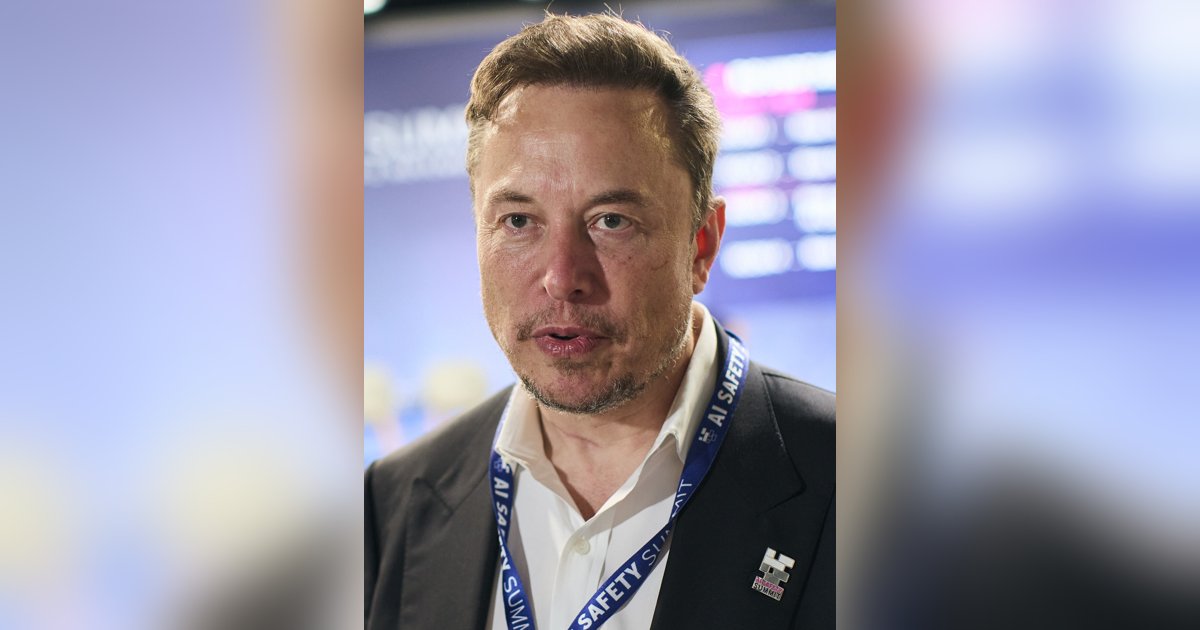
    Most celebrity fortunes are built on salaries and deals. Elon Musk net worth is different, because it is mostly built on ownership stakes in companies whose value moves every day. Forbes and the Bloomberg Billionaires Index have both ranked him as the richest person in the world at various points in recent years, with estimates reaching into the hundreds of billions of dollars. The precise figure depends on the day, the source, and how private companies are valued, so any single number is a snapshot.

    Where the money comes from

    Understanding Elon Musk net worth means looking back at his early exits. Musk’s first major payout came from Zip2 and then from PayPal. He co-founded X.com, which merged to form PayPal, and when eBay bought PayPal in 2002 he received a payment reported at around $175 million. He famously put much of that into new ventures, including SpaceX and Tesla, which carried real risk at the time. Both companies came close to failing in the late 2000s before becoming the core of his wealth.

    The main holdings

    • Tesla: The electric vehicle and energy company, where Musk is chief executive and a large shareholder. Its publicly traded share price is the biggest swing factor in his total. He has also held very large stock option awards, which have been subject to shareholder votes and court challenges.
    • SpaceX: The private rocket and satellite internet company, with Starlink as a major revenue driver. Its valuation is set through private funding rounds and employee share sales, which have reportedly put it in the hundreds of billions of dollars.
    • xAI: An artificial intelligence company he founded, with its own large funding rounds.
    • X (formerly Twitter): Purchased in 2022 for about $44 billion, with debt and outside investors involved. The social platform’s value has been estimated far below the purchase price at times.
    • Others: Neuralink, The Boring Company, and various smaller ventures.

    Why the estimates disagree

    The gap between lists can be enormous, and there are clear reasons. Public stock is easy to price, but a private company such as SpaceX has no live share price, so analysts rely on funding rounds and secondary sales. Stock options need adjustments for exercise costs and taxes. Pledged shares, which Musk has used as loan collateral, complicate the picture. And whether to count unvested or contested awards is a judgment call. Different publishers choose different methods and so reach different totals.

    Cash versus paper wealth

    It is worth separating net worth from cash. Nearly all of Musk’s wealth is held in equity, not in bank accounts. When he needed money for the Twitter acquisition, he sold billions of dollars of Tesla shares and raised additional financing. Selling large amounts of stock can itself move the price, and it triggers tax bills. This is a common pattern among founders: enormous paper wealth, relatively modest liquid cash, and a heavy reliance on borrowing against assets.

    Compensation and pay controversies

    Unlike many executives, Musk has at times taken little or no conventional salary from Tesla, with pay structured almost entirely through performance-based stock awards. Those awards have drawn legal scrutiny and shareholder votes, and outcomes have affected how analysts count his holdings. Reports on the specifics have changed repeatedly, so readers should check recent coverage for current details.

    Real estate and lifestyle

    Musk has said publicly that he sold most of his houses and lives in a modest home in Texas, where several of his companies have major operations. Compared with other billionaires, his visible assets such as yachts or sprawling estates are limited. The bulk of his value sits in company shares rather than in luxury goods.

    The bottom line on Elon Musk net worth

    Elon Musk net worth is best understood as a bet on a handful of businesses in electric vehicles, space launch, satellite internet, and artificial intelligence. If those businesses grow, the figure climbs by tens of billions of dollars in a single year, and if they stumble, it can fall just as fast. Anyone quoting a precise number should be treated with caution. A fair summary is that he is among the wealthiest individuals ever measured, with a fortune tied almost completely to companies he founded or led.

    For more background, see the Wikipedia article.

    Related reading

  • Neapolitan Pizza: What Makes It Different and How to Approach It

    Neapolitan Pizza: What Makes It Different and How to Approach It

    Pizza from Naples is not thick, crunchy or heavily topped. Real Neapolitan pizza has a soft, flexible center, a puffy, leopard-spotted edge and a small amount of tomato, cheese and basil. It is baked for around ninety seconds, and eaten right away. The style is protected in Italy and recognized by UNESCO, whose listing honors the art of the pizzaiuolo, the traditional pizza maker.

    A Short History of Neapolitan Pizza

    Flatbreads topped with oil and herbs had long been eaten in southern Italy, but pizza took shape in Naples as an affordable street food for working people. The tomato, brought from the Americas, eventually joined the bread. The famous margherita is traditionally linked to a visit by Queen Margherita in the nineteenth century, though historians debate how much of the tale is legend. What is certain is that the city’s pizza makers built a distinctive tradition.

    The Dough Is the Point

    A traditional dough contains only four ingredients: flour, water, salt and yeast. Finely milled flour, often labeled 00, gives a soft, extensible dough. It rests for many hours, typically eight to twenty-four, which develops flavor and a light texture. Hydration is moderate to high, and the dough is stretched by hand rather than rolled, to keep the air bubbles that form the puffy rim.

    At home, a slow rise in the refrigerator for one to three days improves flavor. Bring the dough balls to room temperature before shaping, and handle them gently. Pressing from the center outward and leaving the edge untouched is the key to the cornicione, the airy rim.

    Toppings: Keep It Simple

    The two classic versions are the marinara and the margherita. The marinara has tomato, oil, garlic and oregano, with no cheese. The margherita adds fresh mozzarella and basil. Tomatoes are usually crushed by hand, lightly salted, and not cooked before baking. San Marzano tomatoes from the area near Vesuvius are prized, although good canned whole tomatoes from elsewhere will work.

    • Use fresh mozzarella, drained and torn, so the pizza does not become soggy
    • Keep the sauce thin, about a ladle for a whole pizza
    • Add basil after or during baking, and finish with a thread of olive oil

    Too many toppings weigh down the center and prevent the dough from cooking properly.

    The Heat Does the Work

    Authentic ovens, usually wood-fired and dome-shaped, reach around 430 to 480 degrees Celsius. At that temperature, the crust puffs and chars in seconds while the toppings stay fresh. A home oven reaches only about 250 degrees Celsius, so the result will be different but can still be very good.

    To close the gap, preheat a pizza steel or stone for at least forty-five minutes on the top rack, then finish under the broiler for the last minute. Home pizza ovens designed for outdoor use can reach much higher temperatures, and many cooks find them worth the investment if they bake pizza often.

    How to Eat It

    In Naples, a pizza is usually eaten with a knife and fork in a restaurant, or folded into quarters as a street food called a libretto. The center stays soft and slightly wet because of the sauce and cheese, which is intentional. Do not expect a crispy slice that stands straight when held.

    Troubleshooting at Home

    If your crust is pale and tough, the oven is probably not hot enough or the dough is too dry. If the center is soggy, you used too much sauce or cheese. If the dough tears when you stretch it, it needs more rest or gentler handling. Take notes after each attempt and change one variable at a time.

    A perfect version may need a wood oven and a Naples address. But you can capture the spirit of Neapolitan pizza with good flour, patience and restraint, and a few attempts will teach you more than any book.

    Do not be discouraged by imperfect results. Even skilled pizza makers in Naples train for years. At home, focus on the dough first, then the heat, then the toppings, in that order. Bake several Neapolitan pizza attempts in a row, tweaking one thing each time, and you will learn how flour, hydration and oven temperature interact far faster than from reading recipes alone.

    For more background, see the Wikipedia article.
    Related reading

  • Cristiano Ronaldo Net Worth: Salary, Deals and Business Empire

    Cristiano Ronaldo Net Worth: Salary, Deals and Business Empire

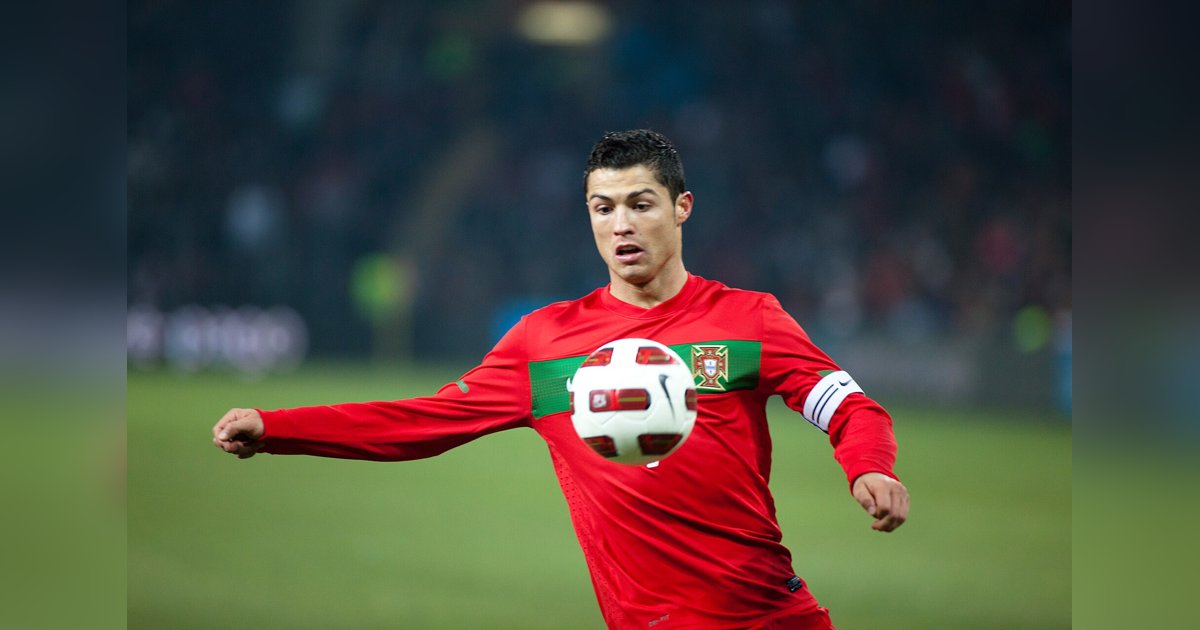
    Cristiano Ronaldo has been among the highest-paid athletes in the world for well over a decade, and that long run at the top shows in the numbers. Cristiano Ronaldo net worth is typically estimated at around $1 billion or more, with Forbes and Bloomberg reporting that he crossed the billionaire line, a first for a footballer. As always with private fortunes, estimates vary, and the totals shift with contracts and business valuations.

    Career earnings on the pitch

    Any look at Cristiano Ronaldo net worth begins with his playing contracts. Born in Madeira, Portugal, Ronaldo rose through Sporting CP before moving to Manchester United in 2003. Later stints at Real Madrid, Juventus, a return to United, and then Saudi club Al Nassr gave him a series of high-value contracts. Real Madrid and Juventus paid him tens of millions a year in salary and bonuses. His move to Saudi Arabia in 2023 was widely reported as a deal worth upward of $200 million a year including salary and commercial arrangements, among the richest in team sports. Exact terms have never been officially detailed, so treat those numbers as reported estimates.

    Endorsements: the engine behind the brand

    Off the pitch, endorsements may have been even more important than salary. His long relationship with Nike is the best known. Reports have described a lifetime deal with the company, a status shared by only a handful of athletes, including Michael Jordan and LeBron James. Over the years he has also appeared with brands in sports media, fragrances, electronics, and fashion. Forbes has regularly listed him near the top of its highest-paid athlete rankings, with a large share of earnings attributed to off-field income.

    Social media as an asset

    Ronaldo has one of the largest followings on the internet, with hundreds of millions of followers across Instagram, Facebook, and X, and a rapidly growing YouTube channel launched in 2024. Reach turns into money because brands pay for promotional posts, and because owned platforms create direct audiences. Marketing analysts have often estimated that a single sponsored post from him is worth a seven-figure sum, though actual rates are private.

    The CR7 business portfolio

    • CR7 brand: Underwear, footwear, fragrances, and lifestyle products sold under his initials and shirt number.
    • Pestana CR7 hotels: A partnership with the Pestana group on hotels in places such as Lisbon, Madeira, Madrid, and New York.
    • Gyms: The CR7 Crunch Fitness partnership, with locations in several countries.
    • Health and wellness ventures: Including clinics and grooming-related businesses linked to his name.
    • Digital ventures: Media and collectibles projects, often in partnership with established companies.

    Some of these businesses are licensing arrangements, where he receives royalties or equity-style participation rather than running day-to-day operations. That structure limits risk while allowing the brand to appear in many categories.

    Property and other assets

    Beyond contracts and sponsors, assets that outlast a playing career matter most to athletes, because the earning window in football is short and the wealth has to last decades. Ronaldo has said in interviews that he thinks about life after retirement, and his business choices, from hospitality to fitness, reflect that long view. Advisers who work with elite athletes often recommend exactly this kind of diversification, mixing licensing income with real, tangible assets.

    Press reports have linked Ronaldo to properties in Portugal, Spain, Italy, and elsewhere, as well as a notable collection of high-end cars. Real estate in particular is a long-held strategy for athletes, since playing careers are short and steady assets help bridge the retirement years. He has also been reported to hold investments in startups and sports-related businesses, though details are typically thin.

    Why the Cristiano Ronaldo net worth total is hard to pin down

    Several things complicate any figure. Taxes differ sharply between countries, and Saudi Arabia does not levy personal income tax on salary. Endorsement deals may include bonuses, equity, or performance clauses not disclosed publicly. And valuing business stakes involves guesswork. For that reason, rankings from different publishers can differ by hundreds of millions of dollars.

    What is clear is the scale of his earning power. Salary built the base, endorsements multiplied it, and a global following kept the multiplier running. Cristiano Ronaldo net worth reflects roughly two decades at the top of a sport with a worldwide audience, and the way he turned playing time into a durable brand is a case study in modern athlete economics.

    For more background, see the Wikipedia article.
    Related reading

  • Why Vinyl Records Keep Coming Back in a Streaming Age

    Why Vinyl Records Keep Coming Back in a Streaming Age

    A format that many people declared dead in the 1990s refuses to go away. Vinyl records have enjoyed a long revival, with new pressings, reissues and dedicated shops appearing even as nearly every song ever recorded sits a tap away on a phone. The reasons have less to do with nostalgia than you might expect.

    A brief history of the groove

    The long-playing vinyl disc arrived in 1948, offering about twenty minutes a side at 33 and a third revolutions per minute. Singles on seven-inch discs followed. For decades, records were the main way people bought music at home. Then cassettes and compact discs took over, and by the early 2000s vinyl was a niche pursuit for DJs, collectors and audiophiles.

    Sales began to climb again around the late 2000s, helped by events such as Record Store Day, which launched in 2008 to promote independent shops with special releases. Industry bodies in several countries have reported years of consecutive growth since, though from a small base compared with streaming.

    Why vinyl records are about ritual

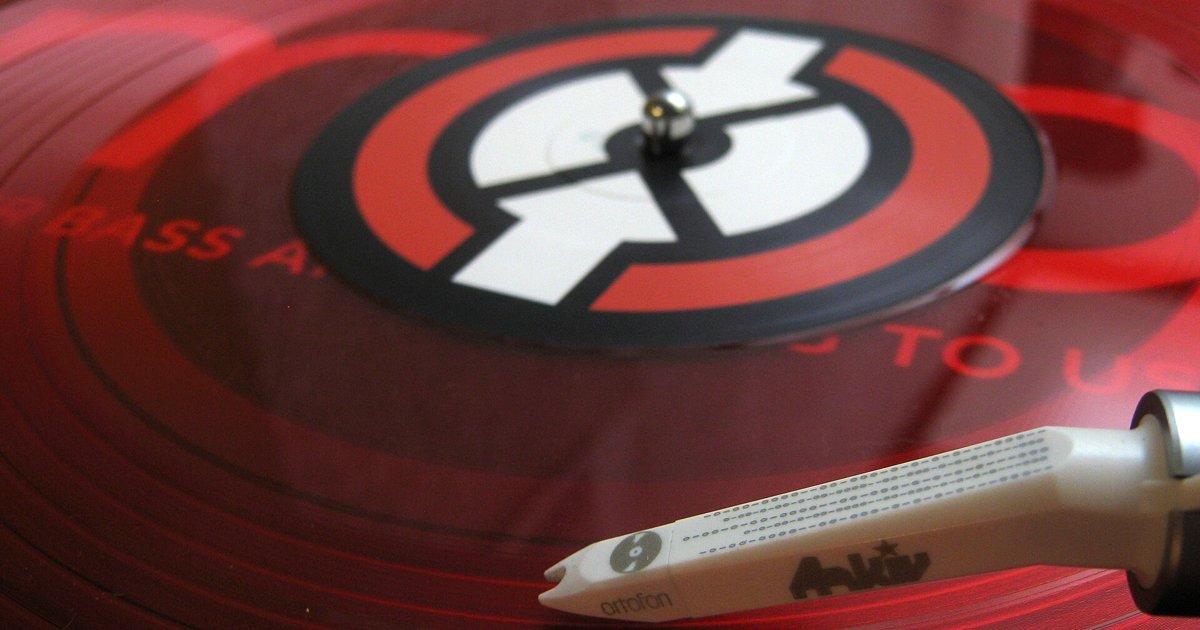
    Ask collectors why they buy, and the answer is often about the experience. Playing a record takes a few deliberate steps. You pick a sleeve, slide out the disc, lower the needle and sit down. Then you have roughly twenty minutes before you must get up and flip it.

    • Focus: The format nudges you to listen to an album as the artist sequenced it, rather than skipping around.
    • Artwork: A twelve-inch sleeve gives cover design, liner notes and lyrics room that a thumbnail cannot.
    • Ownership: A physical object is yours, regardless of licensing changes or catalog removals on streaming services.

    Many younger buyers, who grew up with unlimited digital access, describe the appeal as a break from endless choice. Some do not even own a turntable, treating the record as merchandise or a keepsake, a pattern industry observers have remarked on for years.

    Does it sound better?

    This is the most argued question. Vinyl has real strengths and real limits. The format has a warmth that many listeners describe, partly from gentle distortion and the way the playback chain colors the sound. Compact discs and high-quality streams actually have a wider dynamic range and lower noise on paper.

    What matters more is the mastering. A record cut from a carefully mastered source can sound excellent, while one made from a heavily compressed digital file will not magically improve. Pressing quality varies, and surface noise, warps and dust are part of the territory. Honest enthusiasts will say that preference is subjective, and that the best choice is whichever you enjoy.

    The economics of pressing

    Behind the scenes, the revival has strained the supply side. There are relatively few pressing plants worldwide, and much of the equipment is decades old. When demand surges, waits for production can stretch to many months, especially for independent labels competing against big-name reissues.

    1. Raw materials: Records are made from polyvinyl chloride compound, and supply and cost fluctuate.
    2. Machinery: Presses are no longer widely manufactured, so plants maintain and rebuild vintage machines.
    3. Skilled labor: Mastering engineers and press operators are a small, experienced workforce.
    4. Price: New albums commonly cost noticeably more than a digital subscription month, which keeps buying selective.

    Those pressures help explain why a new vinyl records release often costs more than people expect and why limited colored editions sell out quickly.

    Environmental and practical notes

    The material is not easy to recycle, and some manufacturers are experimenting with alternatives and with using recycled compound. Records also need care. Store them upright, keep them clean, and avoid heat, since warping is a common reason for returns.

    What the revival tells us

    The comeback is a useful reminder that technology does not simply replace older formats. Streaming won on convenience, and vinyl found a role in attention, ceremony and collecting. The two often live side by side in the same household, with one used for background music and the other for deliberate listening.

    Whether the boom continues depends on manufacturing capacity and prices. But the staying power of vinyl records suggests that when so much of life is intangible, many people still want something they can hold and put on a shelf.

    For more background, see the Wikipedia article.

    Related reading

  • The Football World Cup: Origins and How It Works

    The Football World Cup: Origins and How It Works

    The football world cup is the biggest single-sport event on the planet, held every four years and followed by audiences measured in the billions. It began as a modest tournament with thirteen teams and has become a month-long global festival. Here is where it came from and how the competition works.

    How it started

    Football had appeared at the Olympic Games before, but professional players were not allowed to take part, which limited the quality of those competitions. FIFA, the sport’s international governing body founded in Paris in 1904, wanted its own event open to every player. Under its president Jules Rimet, the first football world cup was awarded to Uruguay, which was celebrating a century of independence and had won the previous Olympic football titles.

    The 1930 tournament in Montevideo featured thirteen teams, with most European nations staying away because of the long sea voyage. Uruguay beat Argentina in the final to become the first champions.

    Growth through the decades

    The tournament has been held in Europe, the Americas, Africa and Asia. It was suspended in 1942 and 1946 because of the Second World War. The original trophy was named after Rimet, and Brazil won it permanently after a third title in 1970. A new trophy, an 18-carat gold sculpture of two figures holding up the globe, replaced it and is held by FIFA, with winners keeping a replica.

    The number of teams has risen over time: sixteen, then twenty-four, then thirty-two. The football world cup is scheduled to expand again to forty-eight teams starting in 2026, with matches hosted jointly by Canada, Mexico and the United States.

    How qualification works

    Nearly every national association in the world can enter. Qualifying rounds are organised by FIFA’s six continental confederations, such as UEFA in Europe, CONMEBOL in South America and CAF in Africa. Each confederation receives a set number of places, and the host nation or nations qualify automatically. Some places are decided by intercontinental play-offs.

    Qualification often stretches over two or three years, which means fans follow two different football world cup stories: the race to get there and the tournament itself.

    The Women’s World Cup

    A separate Women’s World Cup began in 1991 in China. It has grown steadily in attendance, television audiences and professionalism, and it has also expanded its field of teams.

    How the football world cup is organised

    In the version used for most recent editions, teams are drawn into groups of four. Each team plays the others once, earning three points for a win and one for a draw. The top teams advance to a knockout stage, where a single defeat sends a side home. The knockout rounds lead through the round of sixteen, quarter-finals and semi-finals to the final, and a third-place match is also played.

    If a knockout game is tied after ninety minutes, extra time of two fifteen-minute halves follows. If it is still level, a penalty shoot-out decides the winner. The format for larger tournaments adjusts group structure and adds an extra knockout round, so check the current rules for the edition you watch.

    Moments that shaped the event

    Over nine decades the tournament has produced memorable players and matches: Pelé winning as a teenager in 1958, Diego Maradona’s performances in 1986, and Brazil’s record of five titles. Germany, Italy, Argentina, France, Uruguay, England and Spain have also lifted the trophy. Such sustained rivalries and surprise runs by smaller nations are part of why people keep tuning in.

    Economics and challenges

    Hosting the event involves huge investment in stadiums, transport and security, and debate continues about costs, legacy and how host countries are chosen. FIFA earns most of its revenue from broadcasting and sponsorship rights, which it uses for the tournament and for development programmes.

    Why it keeps its pull

    The football world cup combines high stakes, national identity and a rhythm of only once every four years. A single match can turn on a deflected shot or a goalkeeper’s save, and for many supporters, the memories of those matches stay with them for a lifetime. That mix of drama and shared experience explains why the tournament still holds such a central place in world sport.

    For more background, see the Wikipedia article.

    Related reading