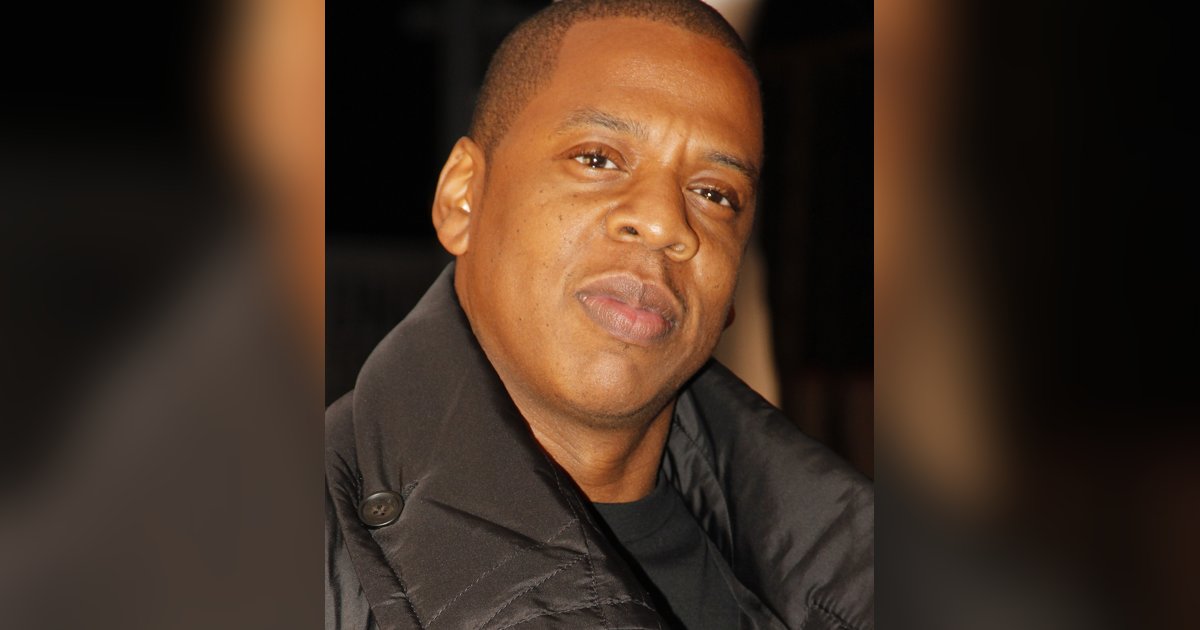
Jay-Z net worth is reported at roughly $2.5 billion by Forbes, which made him the first hip-hop artist to be named a billionaire when the magazine published its calculation in 2019. Other trackers give lower or higher numbers, so treat any single figure as an estimate. The more useful question is how a rapper from Brooklyn’s Marcy Houses ended up with a portfolio that looks more like an investor’s than a performer’s.
Starting with the music
Shawn Carter released his debut album, Reasonable Doubt, in 1996 on Roc-A-Fella Records, a label he co-founded after major companies passed on him. That decision to build his own imprint is the first clue to everything that followed. Instead of waiting for a deal, he created a company and kept a share of it.
The Blueprint, The Black Album and a long run of chart-topping releases made him one of the best-selling and most-awarded rappers ever, with dozens of Grammy wins. Touring and publishing added steady income, and a later catalog sale or licensing agreement is always possible for artists of his stature. But music, by his own telling, was only the beginning.
The clothing line that paid off
Roc-A-Fella’s apparel brand, Rocawear, launched in 1999 and grew into a major streetwear label. In 2007, Iconix Brand Group bought the Rocawear trademark in a deal reported at around $204 million. Selling a brand at that price while remaining a face of the culture showed he understood the difference between building something and merely endorsing it.
Jay-Z net worth in the drinks business
If you want the biggest single jump in Jay-Z net worth, look at alcohol. He began promoting Armand de Brignac champagne, often called “Ace of Spades”, in the mid-2000s and later took full ownership. In 2021, LVMH acquired a 50 percent stake in the brand, a deal widely reported without a confirmed price. He also partnered with Bacardi on D’Ussé cognac. The spirits industry rewards prestige, and his name gave these labels a shortcut.
Roc Nation, Tidal and sports
In 2008 he founded Roc Nation as an entertainment company covering artist management, publishing and touring. Roc Nation Sports, started later, represents athletes across several sports. The company has made partnerships with major organizations, and its footprint is larger than most people realize when they think of Jay-Z as a musician.
He also bought the streaming service Tidal in 2015 for about $56 million and later sold a majority stake to Square, now Block, in a deal reported at roughly $300 million in 2021. Tidal did not become a market leader, yet the sale showed he could exit even a challenger product at a handsome price. Not every move was a hit, which is typical of any investor.
Investing outside entertainment
Forbes and other publications have reported that Jay-Z was an early investor in Uber, and that he backed other technology and consumer companies through Roc Nation’s investment arm and his own funds. He has also held art, including works by well-known contemporary artists, and real estate in New York, Los Angeles and elsewhere. A lot of these holdings are private, so valuations are based on reported transactions rather than audited numbers.
One often-cited early example is his small stake in the Brooklyn Nets, which he sold in 2013 to focus on sports representation. It was a symbolic holding rather than a large one, but it fits a broader pattern of buying in early and moving on when the next stage came.
How to read the headline figure
- Liquidity differs: equity in private companies is not the same as cash.
- Valuations change: a brand sold at a high multiple can look different a few years later.
- Taxes and costs are hidden: published totals rarely show them clearly.
The lasting lesson is about ownership. Jay-Z net worth grew most when he held equity in companies built around his name and taste, not simply when he was paid for a performance. Whether you see him as a musician, a brand builder or an investor, the business model is consistent: own the asset, partner with bigger players, then cash out part of it when the value is high.
For more background, see the Wikipedia article.