The modern Olympic Games bring together thousands of athletes from around the world, and they have done so, with a few interruptions, since 1896. The event draws on ancient Greek traditions but is very much a product of the nineteenth and twentieth centuries. Here is how it came together and how it has changed.
The ancient inspiration
The original Olympic Games were held at Olympia in Greece for many centuries, starting traditionally in 776 BCE, as a religious and athletic festival honouring Zeus. Events included running, wrestling, boxing and chariot races. The Games faded out in late antiquity, and for well over a thousand years nothing similar existed on a global scale.
Coubertin and the modern Olympic Games
The idea of reviving the Games is closely associated with Pierre de Coubertin, a French educator who believed sport could build character and promote international understanding. In 1894 he helped found the International Olympic Committee, the IOC, at a congress in Paris.
Two years later, in 1896, the first modern Olympic Games opened in Athens. About 240 athletes took part, nearly all men, from a modest number of nations. Events included athletics, swimming, gymnastics, cycling, fencing and wrestling. The marathon, inspired by the legend of a Greek messenger running from Marathon to Athens, became a highlight, and a local runner, Spyridon Louis, won it to national celebration.
Early growth and uneven years
The early editions in Paris (1900) and St. Louis (1904) were tied to world fairs and were rather disorganised, with events stretching over months. Standards improved over the next decades. The Games were cancelled in 1916, 1940 and 1944 because of the world wars.
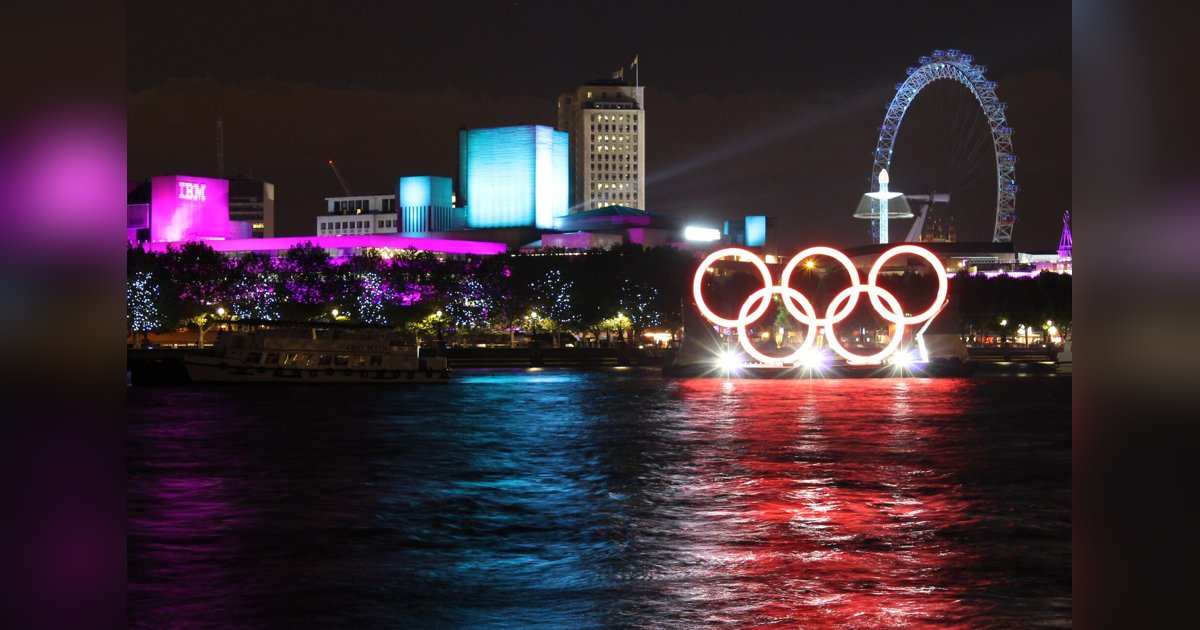
Several features that define the Games today arrived in the 1920s and 1930s. The Olympic motto and the five interlocking rings, designed to represent the union of the continents, became established symbols. The Winter Games began in 1924 in Chamonix, France, giving snow and ice sports their own stage.
The torch relay and ceremonies
The torch relay from Olympia to the host city first appeared at the 1936 Games in Berlin. Opening and closing ceremonies have since grown into major cultural productions in their own right.
Women, inclusion and new sports
Women first competed in 1900 in a small number of sports, and their presence expanded slowly over the following century. Recent Games have come close to equal numbers of female and male athletes, a significant change from the early days.
The Paralympic Games, which grew from a sports competition for wounded soldiers in England in the 1940s, held their first official edition in Rome in 1960. They are now held in the same host city shortly after the Olympics.
The programme of sports has also shifted. Some events have disappeared, such as tug of war, which was once an Olympic sport. Newer ones, including snowboarding, triathlon and skateboarding, have been added to reflect changing interests.
Amateurism and professionalism
For much of the twentieth century, the Games formally restricted participation to amateurs. Over time that rule became hard to enforce, especially as state-supported athletes and professionals emerged. By the 1980s and 1990s the restrictions were relaxed, and professional athletes now compete in many sports.
Politics, boycotts and challenges
The modern Olympic Games have never been separate from world events. Boycotts affected the 1976, 1980 and 1984 Games during the Cold War era. Concerns about cost, security, doping and the impact on host cities have been recurring debates. Anti-doping rules, overseen by international agencies, aim to protect fair competition.
How the Games work today
The IOC awards each Games to a host city after a selection process, and international federations govern each individual sport. Summer and Winter Games each take place every four years, offset by two. The modern Olympic Games remain one of the largest sporting gatherings in the world, a mix of competition, ceremony and national pride that continues to evolve with each cycle.
For more background, see the Wikipedia article.