Category: Sports

  • The Football World Cup: Origins and How It Works

    The Football World Cup: Origins and How It Works

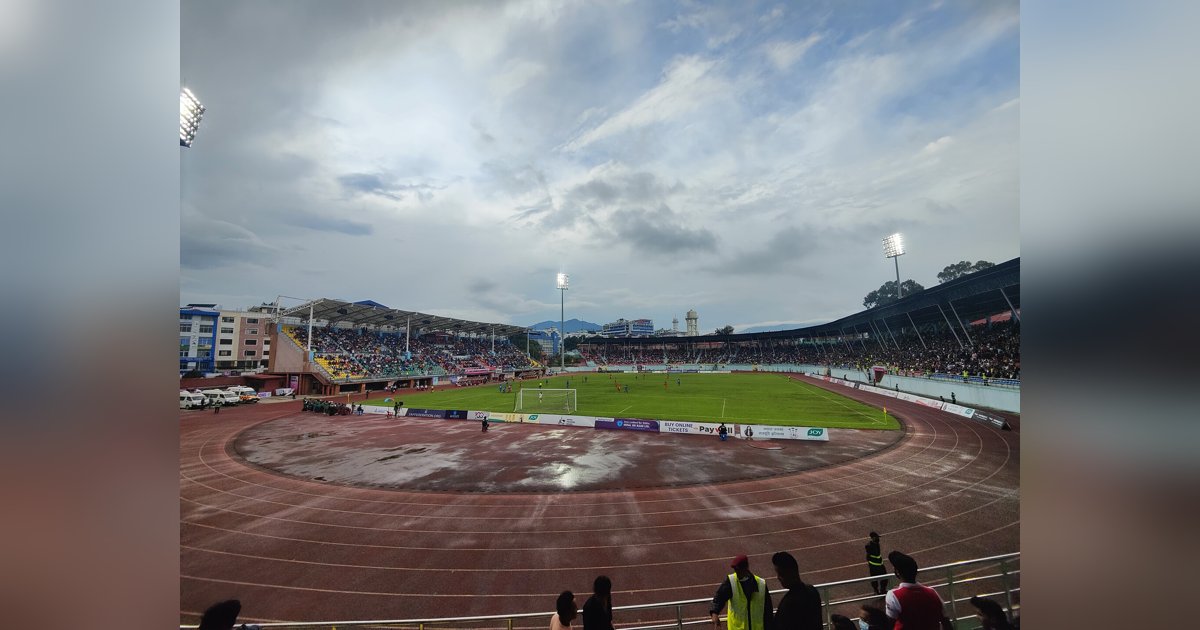
    The football world cup is the biggest single-sport event on the planet, held every four years and followed by audiences measured in the billions. It began as a modest tournament with thirteen teams and has become a month-long global festival. Here is where it came from and how the competition works.

    How it started

    Football had appeared at the Olympic Games before, but professional players were not allowed to take part, which limited the quality of those competitions. FIFA, the sport’s international governing body founded in Paris in 1904, wanted its own event open to every player. Under its president Jules Rimet, the first football world cup was awarded to Uruguay, which was celebrating a century of independence and had won the previous Olympic football titles.

    The 1930 tournament in Montevideo featured thirteen teams, with most European nations staying away because of the long sea voyage. Uruguay beat Argentina in the final to become the first champions.

    Growth through the decades

    The tournament has been held in Europe, the Americas, Africa and Asia. It was suspended in 1942 and 1946 because of the Second World War. The original trophy was named after Rimet, and Brazil won it permanently after a third title in 1970. A new trophy, an 18-carat gold sculpture of two figures holding up the globe, replaced it and is held by FIFA, with winners keeping a replica.

    The number of teams has risen over time: sixteen, then twenty-four, then thirty-two. The football world cup is scheduled to expand again to forty-eight teams starting in 2026, with matches hosted jointly by Canada, Mexico and the United States.

    How qualification works

    Nearly every national association in the world can enter. Qualifying rounds are organised by FIFA’s six continental confederations, such as UEFA in Europe, CONMEBOL in South America and CAF in Africa. Each confederation receives a set number of places, and the host nation or nations qualify automatically. Some places are decided by intercontinental play-offs.

    Qualification often stretches over two or three years, which means fans follow two different football world cup stories: the race to get there and the tournament itself.

    The Women’s World Cup

    A separate Women’s World Cup began in 1991 in China. It has grown steadily in attendance, television audiences and professionalism, and it has also expanded its field of teams.

    How the football world cup is organised

    In the version used for most recent editions, teams are drawn into groups of four. Each team plays the others once, earning three points for a win and one for a draw. The top teams advance to a knockout stage, where a single defeat sends a side home. The knockout rounds lead through the round of sixteen, quarter-finals and semi-finals to the final, and a third-place match is also played.

    If a knockout game is tied after ninety minutes, extra time of two fifteen-minute halves follows. If it is still level, a penalty shoot-out decides the winner. The format for larger tournaments adjusts group structure and adds an extra knockout round, so check the current rules for the edition you watch.

    Moments that shaped the event

    Over nine decades the tournament has produced memorable players and matches: PelĂ© winning as a teenager in 1958, Diego Maradona’s performances in 1986, and Brazil’s record of five titles. Germany, Italy, Argentina, France, Uruguay, England and Spain have also lifted the trophy. Such sustained rivalries and surprise runs by smaller nations are part of why people keep tuning in.

    Economics and challenges

    Hosting the event involves huge investment in stadiums, transport and security, and debate continues about costs, legacy and how host countries are chosen. FIFA earns most of its revenue from broadcasting and sponsorship rights, which it uses for the tournament and for development programmes.

    Why it keeps its pull

    The football world cup combines high stakes, national identity and a rhythm of only once every four years. A single match can turn on a deflected shot or a goalkeeper’s save, and for many supporters, the memories of those matches stay with them for a lifetime. That mix of drama and shared experience explains why the tournament still holds such a central place in world sport.

    For more background, see the Wikipedia article.
    Related reading

  • Strength Training Basics: Where to Start and What Matters

    Strength Training Basics: Where to Start and What Matters

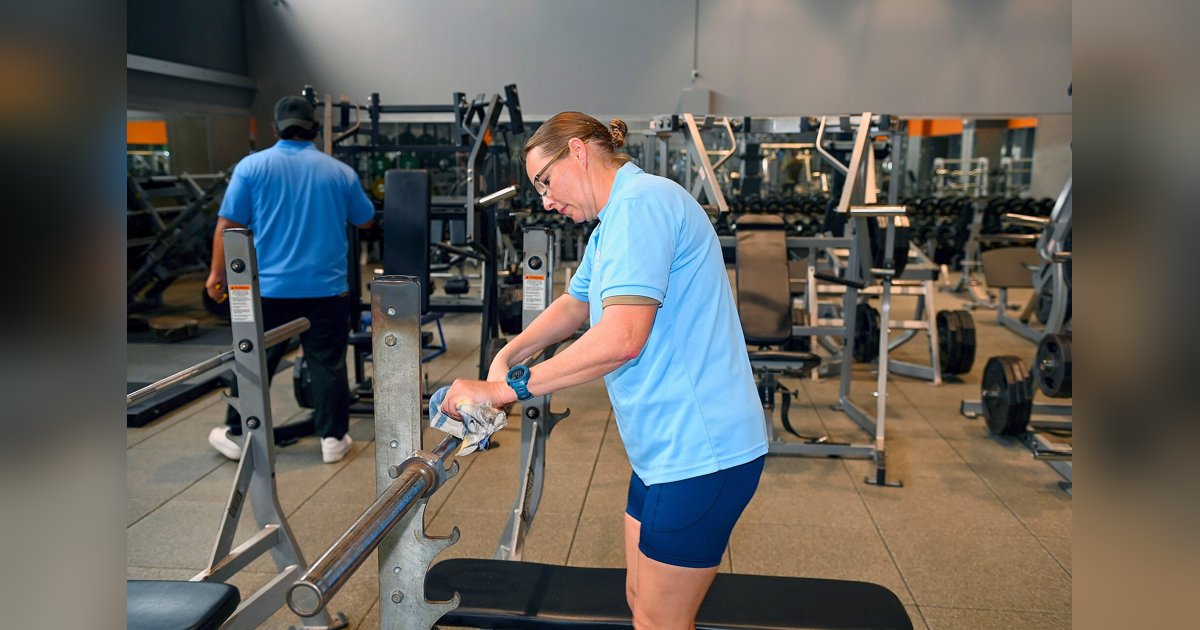
    Strength training means working your muscles against resistance, whether that is a barbell, dumbbells, a machine, a resistance band or your own body weight. It is a core part of preparing for almost any sport, and it is useful for everyday life too, from carrying shopping to climbing stairs. If you have a medical condition or an injury, talk to a clinician before you begin.

    Why people do it

    Regular strength training can increase muscle size and strength, support bone density and improve how well your joints cope with load. Athletes use it to move faster, jump higher and reduce injury risk. Everyone else uses it for general fitness and independence as they age. You do not need to want to look like a bodybuilder to benefit.

    Learn the basic movement patterns

    Rather than memorising dozens of exercises, think in patterns. Most programmes cover these:

    • Squat: sitting down and standing up, as in a bodyweight squat or goblet squat.
    • Hinge: bending at the hips, as in a deadlift or hip bridge.
    • Push: pressing away, as in a push-up or overhead press.
    • Pull: drawing toward you, as in a row or pull-up.
    • Carry and core: holding your trunk steady, as in a plank or farmer’s carry.

    If you train each pattern a couple of times each week, you cover your whole body without needing a complicated routine.

    Sets, reps and weight

    A set is a group of repetitions, or reps, done in a row. A typical beginner approach is two to four sets of six to twelve reps per exercise. The weight should be heavy enough that the last couple of reps feel hard, while your form stays solid.

    Starting lighter than your ego wants is wise. Technique comes first, and you can add weight steadily. Many beginners make quick progress in the first few months simply because the nervous system learns to use muscles more effectively.

    How often to train

    Two to three full-body sessions per week suit most beginners. Leave at least a day between sessions that work the same muscles. Muscles recover and grow during rest, not during the workout.

    Progressive overload in strength training

    The core idea behind strength training is progressive overload: gradually asking your body to do slightly more over time. You can add a small amount of weight, do an extra rep, add a set or slow the lowering phase. Keep a simple notebook or phone note of what you did, so you know what to beat next time.

    Progress will not be a straight line. Poor sleep, stress and illness can all affect performance. A flat week does not mean failure.

    Warm-up and technique

    Spend five to ten minutes warming up with light movement, such as brisk walking or gentle cycling, followed by lighter sets of your first exercise. Learn the basic lifts from a qualified coach or a reputable instructional source, and consider filming yourself to check your form. Keep a neutral spine, control the weight and breathe steadily instead of holding your breath for long periods.

    Food, sleep and recovery

    Eating enough protein and overall calories supports muscle repair, and sleep is just as important. General guidance on diet varies by person, so a registered dietitian can help if you have particular needs. Hydration, regular meals and seven to nine hours of sleep are a solid foundation.

    Common beginner mistakes

    The first is doing too much too soon, which leads to soreness and burnout. The second is copying an advanced programme designed for someone with years of experience. The third is ignoring pain. Muscle burn and fatigue are normal; sharp pain, joint pain or dizziness are signals to stop and seek advice.

    Another mistake is comparing yourself to others in the gym. Everyone started somewhere, and most people are far too busy with their own workout to notice yours.

    Keeping it simple

    A basic plan of full-body sessions, steady progress and enough rest will take you a long way. Strength training rewards consistency more than intensity. Pick exercises you can perform well, show up regularly and let the results build over months rather than days.

    For more background, see the Wikipedia article.
    Related reading

  • A Short History of the Modern Olympic Games

    A Short History of the Modern Olympic Games

    The modern Olympic Games bring together thousands of athletes from around the world, and they have done so, with a few interruptions, since 1896. The event draws on ancient Greek traditions but is very much a product of the nineteenth and twentieth centuries. Here is how it came together and how it has changed.

    The ancient inspiration

    The original Olympic Games were held at Olympia in Greece for many centuries, starting traditionally in 776 BCE, as a religious and athletic festival honouring Zeus. Events included running, wrestling, boxing and chariot races. The Games faded out in late antiquity, and for well over a thousand years nothing similar existed on a global scale.

    Coubertin and the modern Olympic Games

    The idea of reviving the Games is closely associated with Pierre de Coubertin, a French educator who believed sport could build character and promote international understanding. In 1894 he helped found the International Olympic Committee, the IOC, at a congress in Paris.

    Two years later, in 1896, the first modern Olympic Games opened in Athens. About 240 athletes took part, nearly all men, from a modest number of nations. Events included athletics, swimming, gymnastics, cycling, fencing and wrestling. The marathon, inspired by the legend of a Greek messenger running from Marathon to Athens, became a highlight, and a local runner, Spyridon Louis, won it to national celebration.

    Early growth and uneven years

    The early editions in Paris (1900) and St. Louis (1904) were tied to world fairs and were rather disorganised, with events stretching over months. Standards improved over the next decades. The Games were cancelled in 1916, 1940 and 1944 because of the world wars.

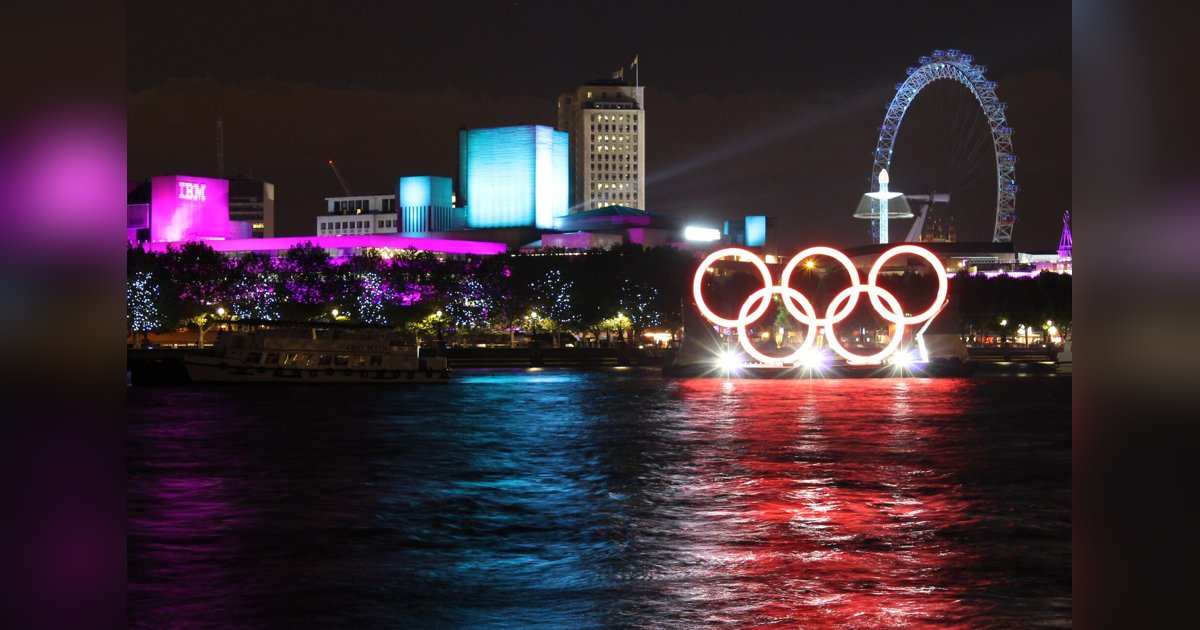
    Several features that define the Games today arrived in the 1920s and 1930s. The Olympic motto and the five interlocking rings, designed to represent the union of the continents, became established symbols. The Winter Games began in 1924 in Chamonix, France, giving snow and ice sports their own stage.

    The torch relay and ceremonies

    The torch relay from Olympia to the host city first appeared at the 1936 Games in Berlin. Opening and closing ceremonies have since grown into major cultural productions in their own right.

    Women, inclusion and new sports

    Women first competed in 1900 in a small number of sports, and their presence expanded slowly over the following century. Recent Games have come close to equal numbers of female and male athletes, a significant change from the early days.

    The Paralympic Games, which grew from a sports competition for wounded soldiers in England in the 1940s, held their first official edition in Rome in 1960. They are now held in the same host city shortly after the Olympics.

    The programme of sports has also shifted. Some events have disappeared, such as tug of war, which was once an Olympic sport. Newer ones, including snowboarding, triathlon and skateboarding, have been added to reflect changing interests.

    Amateurism and professionalism

    For much of the twentieth century, the Games formally restricted participation to amateurs. Over time that rule became hard to enforce, especially as state-supported athletes and professionals emerged. By the 1980s and 1990s the restrictions were relaxed, and professional athletes now compete in many sports.

    Politics, boycotts and challenges

    The modern Olympic Games have never been separate from world events. Boycotts affected the 1976, 1980 and 1984 Games during the Cold War era. Concerns about cost, security, doping and the impact on host cities have been recurring debates. Anti-doping rules, overseen by international agencies, aim to protect fair competition.

    How the Games work today

    The IOC awards each Games to a host city after a selection process, and international federations govern each individual sport. Summer and Winter Games each take place every four years, offset by two. The modern Olympic Games remain one of the largest sporting gatherings in the world, a mix of competition, ceremony and national pride that continues to evolve with each cycle.

    For more background, see the Wikipedia article.
    Related reading

  • The Offside Rule Explained in Plain Language

    The Offside Rule Explained in Plain Language

    The offside rule is probably the most debated law in football, partly because it is judged in a split second and partly because it sounds more complicated than it is. At its heart the idea is simple: attackers should not be able to wait beside the opposing goal for a long pass. Here is what it actually says and how to spot it.

    The basic idea of the offside rule

    A player is in an offside position if, at the moment a teammate plays the ball to them, any part of their head, body or legs that can legally score a goal is closer to the opponents’ goal line than both the ball and the second-last opponent. Usually the goalkeeper is one of those two opponents, so in practice you are looking at the last outfield defender.

    Importantly, being in an offside position is not an offence in itself. A player is only penalised if they become involved in play, for example by receiving the ball, interfering with an opponent or gaining an advantage from the position.

    Where you cannot be offside

    Several situations are exempt from the offside rule:

    • In your own half of the pitch.
    • When level with the second-last opponent or the last two opponents.
    • When receiving the ball directly from a goal kick, a throw-in or a corner kick.

    Those exceptions explain why long, set-piece deliveries into the box do not result in flag after flag. They also explain why defenders push forward as a unit, trying to leave an attacker just behind the line.

    Which body parts count

    For judging position, the rule counts the head, body and feet, but not the arms. The line is drawn from the part of the body that can score a goal. So an attacker whose arm is slightly ahead of the last defender is not offside, but a forward whose shoulder or toe is ahead of the defender can be.

    Also, the position is judged at the moment the pass is played, not when the receiver gets the ball. A player can start behind the defence, run past it and receive the ball legally. This is why attackers time runs so carefully.

    Level is onside

    If an attacker is exactly level with the second-last defender, they are onside. This gives the benefit of the doubt to the attacker, a principle that was introduced to encourage attacking play.

    The offside trap

    Defending teams sometimes deliberately step upfield together just before a pass is played, leaving an opponent stranded in an offside position. This is called the offside trap. It demands good communication and discipline. If one defender fails to step up, the attacker is through on goal, so it is a risky tactic as well as a clever one.

    How offside is judged

    Traditionally, an assistant referee on the touchline watches the line of defenders and raises a flag when they see an offence. Judging it live is hard because the assistant has to watch the passer’s foot and the defensive line at the same time.

    Many professional competitions now use video assistant referees, or VAR, to review goals and key decisions. Some use semi-automated systems that track players’ limbs and the ball with cameras and sensors to draw a virtual line quickly. The final call stays with the referee, and exact procedures vary between competitions, so it is worth checking the rules of the tournament you follow.

    Why the law exists

    Without the offside rule, a forward could simply stand next to the goalkeeper all game and wait for long balls. Play would become stretched and repetitive. The law keeps teams compact and rewards well-timed movement, which is part of what makes football tactical.

    The law has also changed over the years. The earliest versions in the nineteenth century were far stricter, and refinements, including the idea that a player level with a defender is onside, came later. Football’s rule-making body, the International Football Association Board, maintains the Laws of the Game and updates them periodically.

    A quick way to remember it

    Picture a line across the pitch at the second-last defender. When the pass is played, any attacker beyond that line and ahead of the ball is in an offside position. Then ask whether they got involved. If the answer is yes, the offside rule applies and play stops for an indirect free kick to the other team. Watch a few matches with that in mind and it quickly becomes second nature.

    For more background, see the Wikipedia article.

    Related reading

  • Marathon Training Basics for First-Time Runners

    Marathon Training Basics for First-Time Runners

    A marathon is 42.195 kilometres, or 26.2 miles, and finishing one is a major goal for many recreational runners. Marathon training does not require special talent. It requires patience, consistency and a plan that builds your body up slowly. This guide covers the structure most beginner plans share. If you have health concerns, check with a doctor before you start.

    How long does it take?

    Most beginner plans run between sixteen and twenty weeks. They assume you can already run comfortably for around thirty minutes a few times each week. If you are starting from scratch, spend two or three months building a base first, alternating running and walking until continuous running feels normal.

    Rushing is the most common mistake. Muscles adapt faster than tendons, bones and joints, so enthusiasm can outrun your body’s readiness and lead to overuse injuries.

    The weekly shape of marathon training

    Marathon training usually follows a repeating pattern across the week:

    • Two or three easy runs at a conversational pace.
    • One long run, which grows week by week.
    • One optional quality session, such as steady-pace running or gentle intervals.
    • One or two rest or cross-training days, for example cycling, swimming or strength work.

    Most of your running should feel easy. A common guideline is that the majority of weekly mileage is run at an effort where you could still speak in full sentences.

    The long run

    The long run is the centrepiece. It teaches your body to burn fuel efficiently, strengthens legs and builds mental toughness. Beginners often build up to around thirty to thirty-two kilometres, roughly 18 to 20 miles, a few weeks before race day. Many plans do not include the full distance in training, since recovery from that effort costs more than it gives.

    Step-back weeks

    Every third or fourth week, mileage drops for a short breather. These lighter weeks let the body absorb the work and cut injury risk. Skipping them is tempting, but they are a built-in feature of good marathon training, not wasted time.

    Pace and effort

    Do not obsess over speed. A beginner should aim to finish comfortably. Choose a goal pace you can sustain, and practise it in a few sessions. Start races slightly slower than your target, because going out too fast is the classic way to hit a wall in the final miles.

    Heart rate or perceived effort can be better guides than exact pace on hilly routes or hot days.

    Fuel, water and gear

    Over long distances, your body needs carbohydrates and fluids. Many runners practise taking gels, chews or other foods during long runs, so their stomachs are used to it. Test everything in training, including shoes, socks, shorts and the breakfast you plan to eat on race morning. The rule is simple: nothing new on race day.

    Good running shoes that fit properly matter. Visit a specialist shop if you can, and replace shoes when they wear out, which is often somewhere in the range of 500 to 800 kilometres, though this varies by shoe and runner.

    Strength and mobility

    Two short sessions of bodyweight strength work each week, such as squats, lunges, planks and calf raises, support running form and help prevent injury. A few minutes of mobility work after runs is also helpful.

    Rest, sleep and listening to your body

    Fitness is built during recovery, not during the run itself. Sleep, balanced meals and rest days are part of marathon training. Mild muscle tiredness is normal. Sharp or persistent pain is not, and it deserves attention from a physiotherapist or doctor rather than pushing through.

    The taper and race day

    In the final two to three weeks, mileage drops considerably so your legs arrive fresh. This is known as the taper, and it often makes people nervous, because they feel restless or sluggish. That is normal. Trust the work already done.

    On race day, start steady, drink at aid stations, break the course into smaller sections and enjoy the crowd. Finishing your first marathon is the goal. Marathon training teaches you far more than distance: it teaches planning, discipline and how much your body can adapt when you give it time.

    For more background, see the Wikipedia article.

    Related reading

  • Cricket Rules Explained for Complete Beginners

    Cricket Rules Explained for Complete Beginners

    Cricket has a reputation for being impossible to understand, which is a bit unfair. The cricket rules are detailed, but the core idea is straightforward: one team scores runs, the other tries to get them out, and then they swap. Whoever has more runs at the end wins. Here is how it works.

    The setup

    Two teams of eleven players take turns. One side bats and the other fields. The action centres on the pitch, a flat strip about 22 yards long, with a set of three upright stumps topped by two small bails at each end. A bowler runs in and delivers the ball to a batter, who tries to hit it.

    At any moment, two batters are on the pitch, one at each end, along with one bowler, a wicketkeeper behind the stumps and the rest of the fielding team spread around the field. Two umpires oversee play.

    How runs are scored

    When the batter hits the ball, the two batters can run between the wickets. Each time both of them reach the opposite end safely, one run is scored. If the ball crosses the boundary rope after touching the ground, it counts as four runs. If it crosses the rope without bouncing, it is worth six.

    Runs also come from extras, such as wides and no-balls, which are penalties against the bowler for illegal or badly aimed deliveries.

    How a batter gets out

    The fielding side wants to take ten wickets, meaning dismissals, to end the innings. Common ways a batter can be out include:

    • Bowled: the ball hits the stumps and dislodges the bails.
    • Caught: a fielder catches the ball before it bounces.
    • Leg before wicket, or LBW: the ball would have hit the stumps but struck the batter’s leg first, under specific conditions.
    • Run out: a fielder breaks the stumps while a batter is out of their crease.
    • Stumped: the wicketkeeper breaks the stumps when the batter has stepped out of the crease.

    LBW is the one that confuses most newcomers, and it has several conditions, including where the ball pitched and whether it was heading for the stumps. It is fine to learn it gradually.

    Cricket rules for overs and innings

    A bowler delivers six balls in a row, which is called an over. Then a different bowler takes over from the opposite end, and the fielders change position. An innings ends when ten batters are out, when the team has used up its allotted overs in limited-overs formats, or when the batting captain chooses to stop, which is called a declaration in longer matches.

    Why cricket rules vary by format

    The cricket rules stay the same at heart, but the length changes.

    The sport comes in several versions, and the format changes how the match feels:

    • Test cricket: up to five days, two innings per team, with no limit on overs per innings.
    • One-day cricket: each team bats once, usually for 50 overs.
    • Twenty20: each side bats for 20 overs, with a match finishing in roughly three hours.

    A Test can end in a draw if time runs out before a result, a quirk that is hard for people used to other sports to accept.

    Fielding positions and strategy

    Fielding positions have unusual names such as slip, gully, point, cover, mid-on and fine leg. The names simply describe where a fielder stands relative to the batter. The captain moves fielders around depending on the bowler, the batter and the match situation.

    Strategy also involves how bowlers deliver the ball. Fast bowlers aim for pace and bounce, while spin bowlers use finger or wrist action to make the ball turn after it bounces.

    Technology and the spirit of the game

    Many professional matches use a decision review system, where players can ask for a replay review of certain umpiring decisions using ball-tracking and other tools. The Laws of Cricket are maintained by the Marylebone Cricket Club in London, and the sport places weight on fair play, often described as the spirit of cricket.

    Watching your first match

    Start with a Twenty20 game. It is quick and lively, and the cricket rules become clear after a few overs. Follow one batter, watch how runs are scored and notice what makes the fielders cheer. Within an hour or so, the pattern should click, and the longer formats will start to look more inviting.

    For more background, see the Wikipedia article.

    Related reading