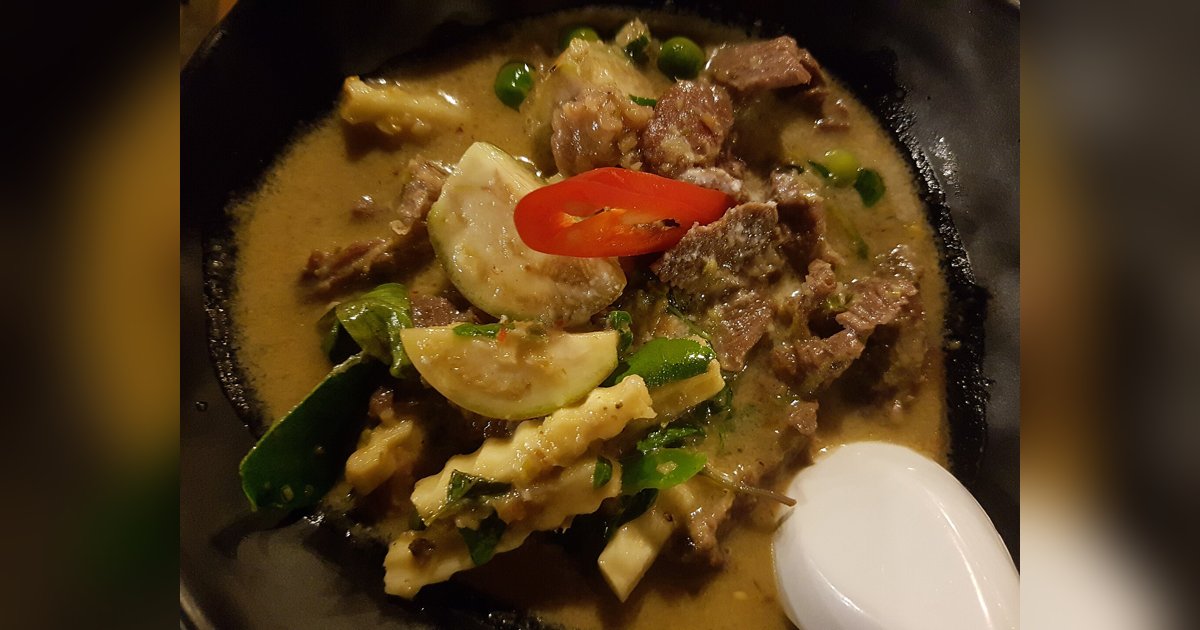
A good Thai green curry tastes bright, creamy and layered, with a heat that arrives gently and lingers. The jarred versions can be decent, but making the paste yourself takes about twenty minutes and changes everything. This guide walks through the ingredients, the order of cooking and the small adjustments that separate a flat curry from a fragrant one.
What Makes It Green
The color comes from fresh green chilies, usually small Thai bird’s eye chilies or a milder variety, blended with herbs and aromatics. A traditional paste includes lemongrass, galangal, makrut lime zest, cilantro roots or stems, garlic, shallots, white peppercorns, coriander and cumin seeds, and shrimp paste. Galangal looks like ginger but has a sharper, piney flavor; ginger is a decent substitute if you cannot find it.
If you want a milder dish, remove the chili seeds or use fewer chilies and add green bell pepper or extra herbs for color. For vegetarians, replace the shrimp paste with a spoonful of fermented soybean paste or a little miso.
Making the Paste
Toast the coriander and cumin seeds in a dry pan until fragrant, then grind them. Chop the lemongrass finely, using only the tender lower part. Pound everything in a mortar if you have one, starting with the hardest ingredients such as peppercorns and lemongrass, then adding the softer items. A mortar releases the oils in a way a blender cannot, but a small food processor works. Add a splash of water to help it along.
The paste can be stored in a jar in the fridge for a week or frozen in small portions for several months, so make a double batch.
The Cooking Order Matters
Open a can of full-fat coconut milk without shaking it. Scoop the thick cream from the top into a hot wok or pot and cook it until it begins to separate and shimmer with oil. This is called cracking the cream, and it is the key to a fragrant curry. Add two or three tablespoons of paste and fry it in the oil for a couple of minutes until the smell turns sweet and deep.
Then add your protein, such as sliced chicken thigh, shrimp, firm tofu or fish balls, and stir to coat. Pour in the remaining coconut milk and a cup of stock or water. Simmer gently, since a hard boil can make the coconut milk grainy.
Choose the Right Vegetables
Thai eggplants, pea eggplants, bamboo shoots and green beans are traditional. If you cannot find them, use zucchini, green beans, broccoli or sliced regular eggplant. Add firmer vegetables early and softer ones near the end. Keep them with some bite, because they will continue to cook in the hot sauce.
- Add bamboo shoots and eggplant after the stock
- Add green beans about five minutes before finishing
- Stir in Thai basil right at the end, off the heat
Balance Is Everything
Thai cooking aims for harmony of salty, sweet, sour and spicy. Season with fish sauce for salt, palm sugar for sweetness and a squeeze of lime for brightness, adding them in small amounts and tasting after each. Palm sugar gives a rounder sweetness than white sugar, though brown sugar will do. Tear in a few makrut lime leaves for aroma.
If the curry tastes dull, it usually needs a splash of fish sauce. If it tastes harsh, add a little sugar. If it feels heavy, lime juice lifts it.
Serving Thai Green Curry Well
Serve with steamed jasmine rice, which soaks up the sauce. A fried egg or a few slices of fresh chili on the side make it more satisfying. Leftovers taste even better the next day, as the flavors settle, though reheat it gently. With a little practice, homemade Thai green curry becomes a regular weeknight dish that rivals most restaurants.
Think of the recipe as a framework, not a fixed rule. Swap chicken for fish, add pumpkin in autumn, or stir in a handful of spinach for extra green. Every cook in Thailand makes a slightly different Thai green curry, based on what the market offers and what the family likes. Keep tasting as you cook, trust your nose, and write down the changes that please you most so the next batch improves.
For more background, see the Wikipedia article.