Many people describe Sichuan cooking as simply spicy, but that misses the point. The cuisine of China’s southwestern Sichuan province is built on contrast and layering. Heat arrives with numbing tingle, sourness, sweetness, savory depth and fragrance, often in a single bite. Chinese cooks even have a term for the signature sensation: ma la, meaning numbing and hot.
The Flavors Behind Sichuan Cooking
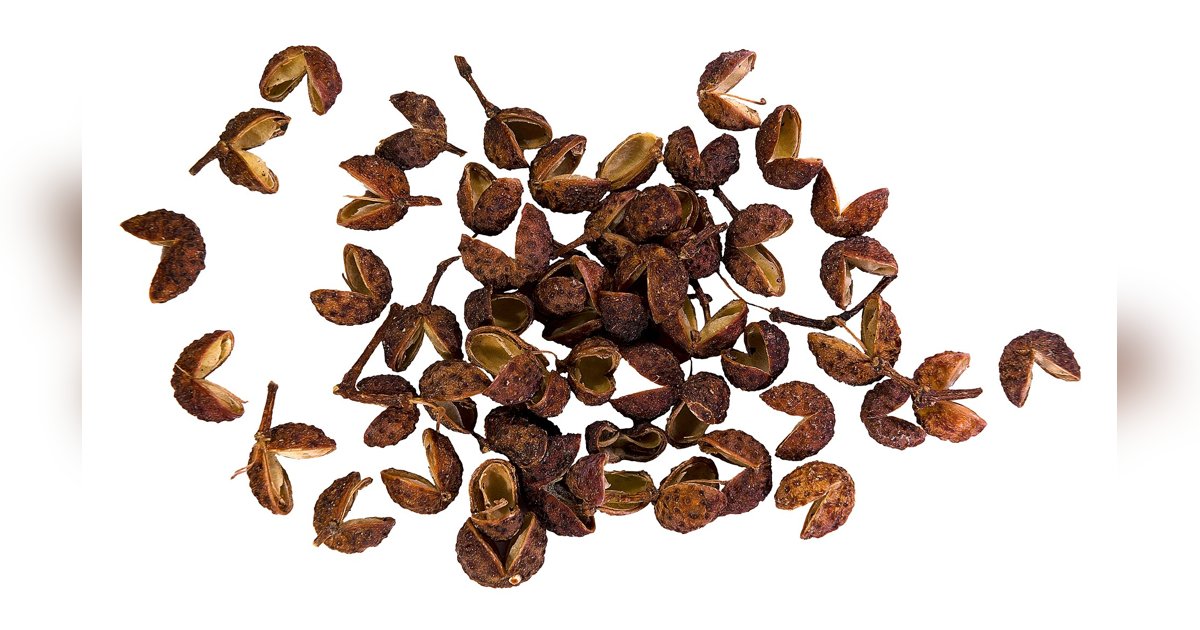
The tingling comes from Sichuan peppercorns, which are not true peppers but the dried husks of a prickly ash tree. They produce a citrusy aroma and a buzzing feeling on the tongue. The heat comes from dried and fresh chilies, which arrived in China from the Americas centuries ago and were embraced in the humid Sichuan basin. Together they create the combination that defines the style.
Chinese cuisine is often grouped into categories of flavor, and Sichuan is known for around two dozen of them, including fish-fragrant, which has no fish at all but uses pickled chilies, garlic, ginger and scallion in a sweet, sour and savory sauce, and strange flavor, a blend of sesame, vinegar, chili and sugar.
Pantry Staples Worth Buying
A handful of ingredients does most of the work. Stock them once and you can cook dozens of dishes.
- Doubanjiang: a fermented broad bean and chili paste, often from Pixian, which gives savory depth
- Sichuan peppercorns: buy whole and fresh, and toast them lightly before grinding
- Chinkiang black vinegar: malty and gentle, used for dressings and sauces
- Dried red chilies: stir-fried in oil to perfume the dish
- Fermented black beans and pickled mustard greens: for salty, tangy notes
- Chili oil: either homemade or from a trusted jar, used for dipping and finishing
Look for these at an Asian grocery store or order from reliable online shops. Check the labels and store opened pastes in the refrigerator.
Classic Dishes to Start With
Mapo tofu is the most famous: soft tofu in a red, aromatic sauce with ground meat, doubanjiang and peppercorn. Kung pao chicken combines diced chicken, peanuts, dried chilies and a sweet and sour glaze, and is quite different from many takeout versions. Dan dan noodles are served with a savory, spicy sauce, preserved vegetables and minced pork. Twice-cooked pork, hui guo rou, boils and then stir-fries pork belly with leeks and chili bean paste.
Vegetables get serious treatment too. Dry-fried green beans, smashed cucumber salad and fish-fragrant eggplant are lively and filling, and they are easy to make vegetarian by leaving out the meat.
Techniques That Matter
Sichuan cooks rely on the wok and on timing. Stir-frying happens over high heat in quick bursts, so all ingredients should be prepped and within reach. Dry-frying, called gan bian, cooks ingredients slowly in a little oil until they wrinkle and concentrate. Velveting, which coats meat in cornstarch and egg white, keeps it tender. Another important step is blooming the chili paste in oil until the oil turns red, which draws out color and flavor.
Do not rush the aromatics. Garlic, ginger and scallion burn quickly, so adjust the heat as you go.
Adjusting the Heat at Home
You control the intensity. Use fewer dried chilies, or choose milder varieties that offer fragrance instead of fire. Remove seeds if you want less burn. The peppercorn amount matters just as much; too many can be overwhelming and slightly soapy. Serve dishes with plain rice and a simple vegetable to give the palate a rest.
If you want to understand the cuisine, cook three dishes in one meal: a mapo tofu, a stir-fried vegetable and a cold cucumber salad. The contrasts will show why Sichuan cooking has won fans across the world, and why a single chili is never the whole story.
For a first project, make a small jar of chili oil. Heat neutral oil gently with star anise, cinnamon and a bay leaf, then pour it over chili flakes and Sichuan peppercorns in a heatproof bowl and let it sit. It transforms noodles, dumplings and eggs, and it shows the essence of Sichuan cooking: aroma and heat building together, rather than heat alone.
For more background, see the Wikipedia article.