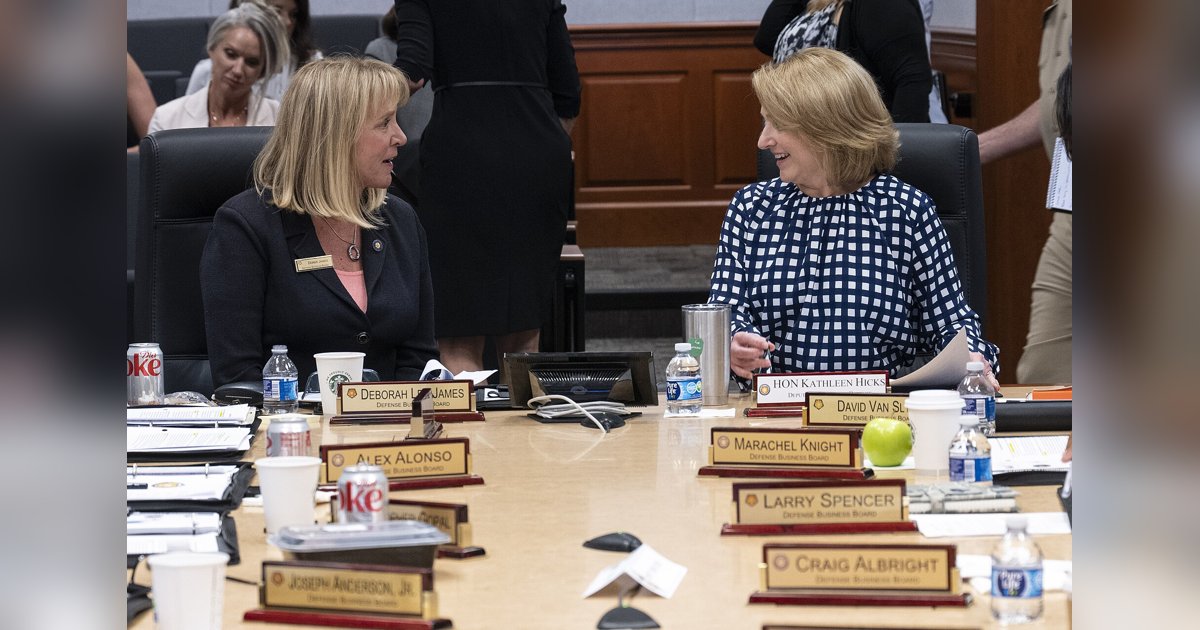
Ask a group of employees which meeting they find most useful and many will say the private chat with their manager, provided it is a good one. Done well, one-on-one meetings are the cheapest management tool available. Done badly, they turn into status updates that could have been an email.
The difference rarely comes down to charisma. It comes down to a few simple choices about who owns the agenda, how often you meet and what you do with what you hear.
Who owns one-on-one meetings?
The first rule is that the meeting belongs to the employee. You are there to remove obstacles, give context and listen. If you spend most of the time talking, you are running a briefing, not one-on-one meetings in the sense that matters.
A shared document makes this concrete. Keep a running page with two sections: topics the employee wants to raise and topics you want to raise. Both of you add items during the week. The employee’s list gets covered first, every time.
Cadence and length
Weekly works for most teams, especially for newer staff. Experienced people who work independently may be happy with every two weeks. Thirty minutes suits most conversations, and forty-five gives room if you want career talk to fit in.
Whatever you pick, protect it. Cancelling a one-on-one sends a quiet message that it was never important. If you must move one, reschedule it the same day rather than letting it lapse.
A simple agenda that works
You do not need a rigid script, but a loose shape helps both people relax.
- Check-in (five minutes). How are things, really? Not the project, the person.
- Their topics (ten to fifteen minutes). Blockers, decisions, frustrations, ideas.
- Your topics (five minutes). Feedback, upcoming changes, context from higher up.
- Growth (five minutes, at least monthly). Skills, interests, where they want to be in a year.
- Wrap-up. Repeat the actions each of you agreed to.
Questions that open people up
Yes-or-no questions get yes-or-no answers. Try prompts that invite detail:
- What is taking up most of your energy this week?
- Where do you feel stuck, and what would unstick it?
- What is one thing I could do differently that would help you?
- Which part of your work do you wish you did more of?
- Is there anything on the team that you think I am missing?
Then wait. A five-second silence feels long to the manager and perfectly normal to the person thinking. Many of the best answers arrive after the pause.
Feedback belongs here, in small doses
Regular one-on-one meetings are the right place for feedback because the relationship has a rhythm. Small, specific comments delivered close to the event land better than a long list saved for an annual review. Say what you saw, what effect it had and what you would like next time. Ask for their view before you finish, since you may be missing context.
Praise counts as feedback too. Be precise: telling someone that their handover notes saved the next shift an hour is more useful than saying good job.
Take notes and follow through
Nothing damages trust faster than raising a concern and watching nothing happen. Write down each action, who owns it and when it is due, and open the next meeting by reviewing it. If you cannot fix something, say so plainly and explain why. People accept a clear no far more easily than silence.
Keep notes private to the two of you unless you agree otherwise. If a topic needs escalation, such as a safety concern or a harassment complaint, explain that you have to pass it on and follow your organisation’s process.
Habits that sink the meeting
- Turning it into a project review. Use team meetings for task tracking.
- Checking your phone. Your attention is the whole point.
- Only meeting with favourites. Quiet team members often need the time most.
- Rushing to solve. Sometimes the person wants to be heard, not fixed.
- Skipping remote staff. Video calls for distributed workers matter even more, because there are no corridor chats to fill the gaps.
Start small
If your calendar currently has none of this, begin with your direct reports and one standing slot each. Share the shared document, explain the format in two sentences and ask for feedback after a month. Expect the first couple of sessions to feel stiff. By the sixth, people tend to bring real problems, and that is when one-on-one meetings start paying back the time you invest in them.
For more background, see the Wikipedia article.