Tag: football

  • Cristiano Ronaldo Net Worth: Salary, Deals and Business Empire

    Cristiano Ronaldo Net Worth: Salary, Deals and Business Empire

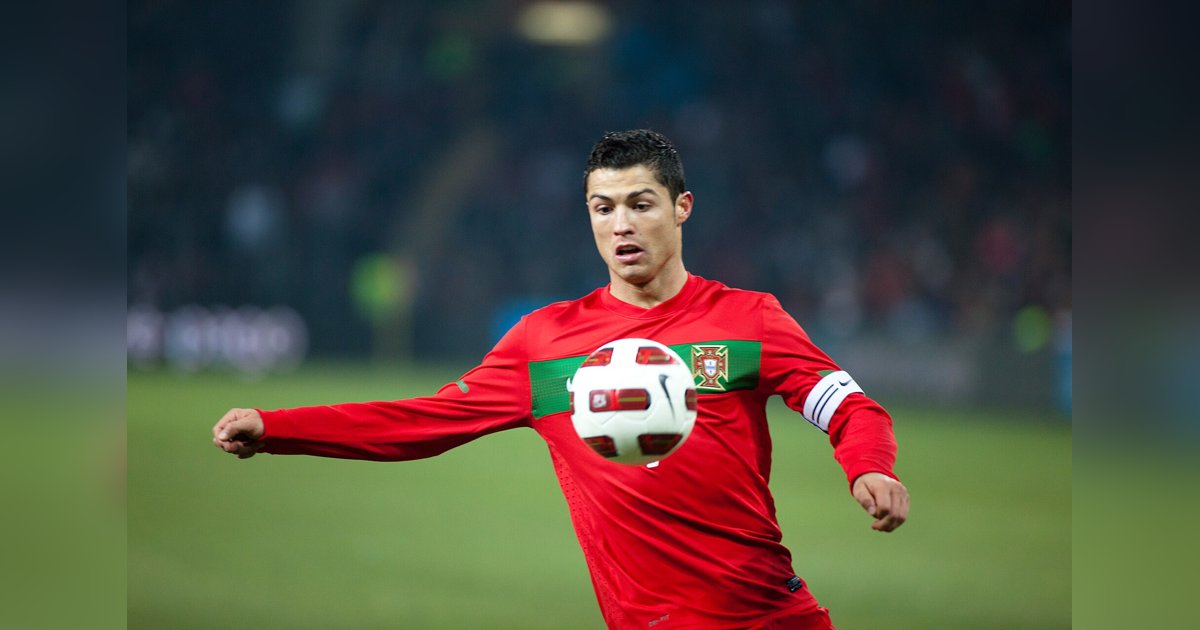
    Cristiano Ronaldo has been among the highest-paid athletes in the world for well over a decade, and that long run at the top shows in the numbers. Cristiano Ronaldo net worth is typically estimated at around $1 billion or more, with Forbes and Bloomberg reporting that he crossed the billionaire line, a first for a footballer. As always with private fortunes, estimates vary, and the totals shift with contracts and business valuations.

    Career earnings on the pitch

    Any look at Cristiano Ronaldo net worth begins with his playing contracts. Born in Madeira, Portugal, Ronaldo rose through Sporting CP before moving to Manchester United in 2003. Later stints at Real Madrid, Juventus, a return to United, and then Saudi club Al Nassr gave him a series of high-value contracts. Real Madrid and Juventus paid him tens of millions a year in salary and bonuses. His move to Saudi Arabia in 2023 was widely reported as a deal worth upward of $200 million a year including salary and commercial arrangements, among the richest in team sports. Exact terms have never been officially detailed, so treat those numbers as reported estimates.

    Endorsements: the engine behind the brand

    Off the pitch, endorsements may have been even more important than salary. His long relationship with Nike is the best known. Reports have described a lifetime deal with the company, a status shared by only a handful of athletes, including Michael Jordan and LeBron James. Over the years he has also appeared with brands in sports media, fragrances, electronics, and fashion. Forbes has regularly listed him near the top of its highest-paid athlete rankings, with a large share of earnings attributed to off-field income.

    Social media as an asset

    Ronaldo has one of the largest followings on the internet, with hundreds of millions of followers across Instagram, Facebook, and X, and a rapidly growing YouTube channel launched in 2024. Reach turns into money because brands pay for promotional posts, and because owned platforms create direct audiences. Marketing analysts have often estimated that a single sponsored post from him is worth a seven-figure sum, though actual rates are private.

    The CR7 business portfolio

    • CR7 brand: Underwear, footwear, fragrances, and lifestyle products sold under his initials and shirt number.
    • Pestana CR7 hotels: A partnership with the Pestana group on hotels in places such as Lisbon, Madeira, Madrid, and New York.
    • Gyms: The CR7 Crunch Fitness partnership, with locations in several countries.
    • Health and wellness ventures: Including clinics and grooming-related businesses linked to his name.
    • Digital ventures: Media and collectibles projects, often in partnership with established companies.

    Some of these businesses are licensing arrangements, where he receives royalties or equity-style participation rather than running day-to-day operations. That structure limits risk while allowing the brand to appear in many categories.

    Property and other assets

    Beyond contracts and sponsors, assets that outlast a playing career matter most to athletes, because the earning window in football is short and the wealth has to last decades. Ronaldo has said in interviews that he thinks about life after retirement, and his business choices, from hospitality to fitness, reflect that long view. Advisers who work with elite athletes often recommend exactly this kind of diversification, mixing licensing income with real, tangible assets.

    Press reports have linked Ronaldo to properties in Portugal, Spain, Italy, and elsewhere, as well as a notable collection of high-end cars. Real estate in particular is a long-held strategy for athletes, since playing careers are short and steady assets help bridge the retirement years. He has also been reported to hold investments in startups and sports-related businesses, though details are typically thin.

    Why the Cristiano Ronaldo net worth total is hard to pin down

    Several things complicate any figure. Taxes differ sharply between countries, and Saudi Arabia does not levy personal income tax on salary. Endorsement deals may include bonuses, equity, or performance clauses not disclosed publicly. And valuing business stakes involves guesswork. For that reason, rankings from different publishers can differ by hundreds of millions of dollars.

    What is clear is the scale of his earning power. Salary built the base, endorsements multiplied it, and a global following kept the multiplier running. Cristiano Ronaldo net worth reflects roughly two decades at the top of a sport with a worldwide audience, and the way he turned playing time into a durable brand is a case study in modern athlete economics.

    For more background, see the Wikipedia article.
    Related reading

  • The Football World Cup: Origins and How It Works

    The Football World Cup: Origins and How It Works

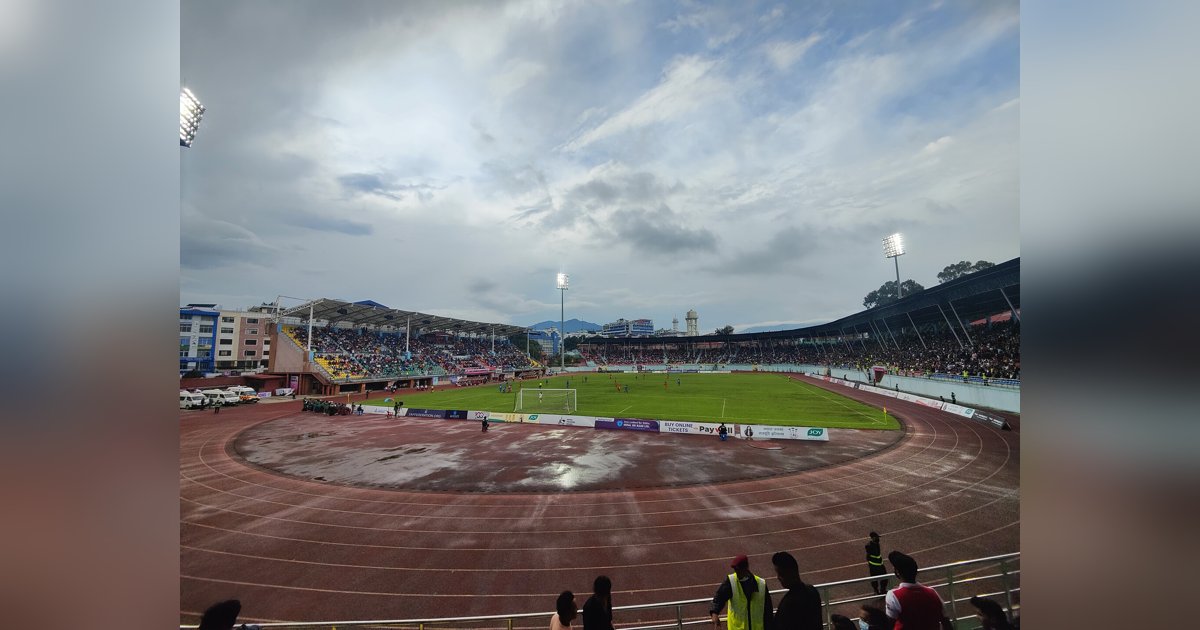
    The football world cup is the biggest single-sport event on the planet, held every four years and followed by audiences measured in the billions. It began as a modest tournament with thirteen teams and has become a month-long global festival. Here is where it came from and how the competition works.

    How it started

    Football had appeared at the Olympic Games before, but professional players were not allowed to take part, which limited the quality of those competitions. FIFA, the sport’s international governing body founded in Paris in 1904, wanted its own event open to every player. Under its president Jules Rimet, the first football world cup was awarded to Uruguay, which was celebrating a century of independence and had won the previous Olympic football titles.

    The 1930 tournament in Montevideo featured thirteen teams, with most European nations staying away because of the long sea voyage. Uruguay beat Argentina in the final to become the first champions.

    Growth through the decades

    The tournament has been held in Europe, the Americas, Africa and Asia. It was suspended in 1942 and 1946 because of the Second World War. The original trophy was named after Rimet, and Brazil won it permanently after a third title in 1970. A new trophy, an 18-carat gold sculpture of two figures holding up the globe, replaced it and is held by FIFA, with winners keeping a replica.

    The number of teams has risen over time: sixteen, then twenty-four, then thirty-two. The football world cup is scheduled to expand again to forty-eight teams starting in 2026, with matches hosted jointly by Canada, Mexico and the United States.

    How qualification works

    Nearly every national association in the world can enter. Qualifying rounds are organised by FIFA’s six continental confederations, such as UEFA in Europe, CONMEBOL in South America and CAF in Africa. Each confederation receives a set number of places, and the host nation or nations qualify automatically. Some places are decided by intercontinental play-offs.

    Qualification often stretches over two or three years, which means fans follow two different football world cup stories: the race to get there and the tournament itself.

    The Women’s World Cup

    A separate Women’s World Cup began in 1991 in China. It has grown steadily in attendance, television audiences and professionalism, and it has also expanded its field of teams.

    How the football world cup is organised

    In the version used for most recent editions, teams are drawn into groups of four. Each team plays the others once, earning three points for a win and one for a draw. The top teams advance to a knockout stage, where a single defeat sends a side home. The knockout rounds lead through the round of sixteen, quarter-finals and semi-finals to the final, and a third-place match is also played.

    If a knockout game is tied after ninety minutes, extra time of two fifteen-minute halves follows. If it is still level, a penalty shoot-out decides the winner. The format for larger tournaments adjusts group structure and adds an extra knockout round, so check the current rules for the edition you watch.

    Moments that shaped the event

    Over nine decades the tournament has produced memorable players and matches: PelĂ© winning as a teenager in 1958, Diego Maradona’s performances in 1986, and Brazil’s record of five titles. Germany, Italy, Argentina, France, Uruguay, England and Spain have also lifted the trophy. Such sustained rivalries and surprise runs by smaller nations are part of why people keep tuning in.

    Economics and challenges

    Hosting the event involves huge investment in stadiums, transport and security, and debate continues about costs, legacy and how host countries are chosen. FIFA earns most of its revenue from broadcasting and sponsorship rights, which it uses for the tournament and for development programmes.

    Why it keeps its pull

    The football world cup combines high stakes, national identity and a rhythm of only once every four years. A single match can turn on a deflected shot or a goalkeeper’s save, and for many supporters, the memories of those matches stay with them for a lifetime. That mix of drama and shared experience explains why the tournament still holds such a central place in world sport.

    For more background, see the Wikipedia article.
    Related reading

  • Lionel Messi Net Worth: Football, Adidas and Beyond

    Lionel Messi Net Worth: Football, Adidas and Beyond

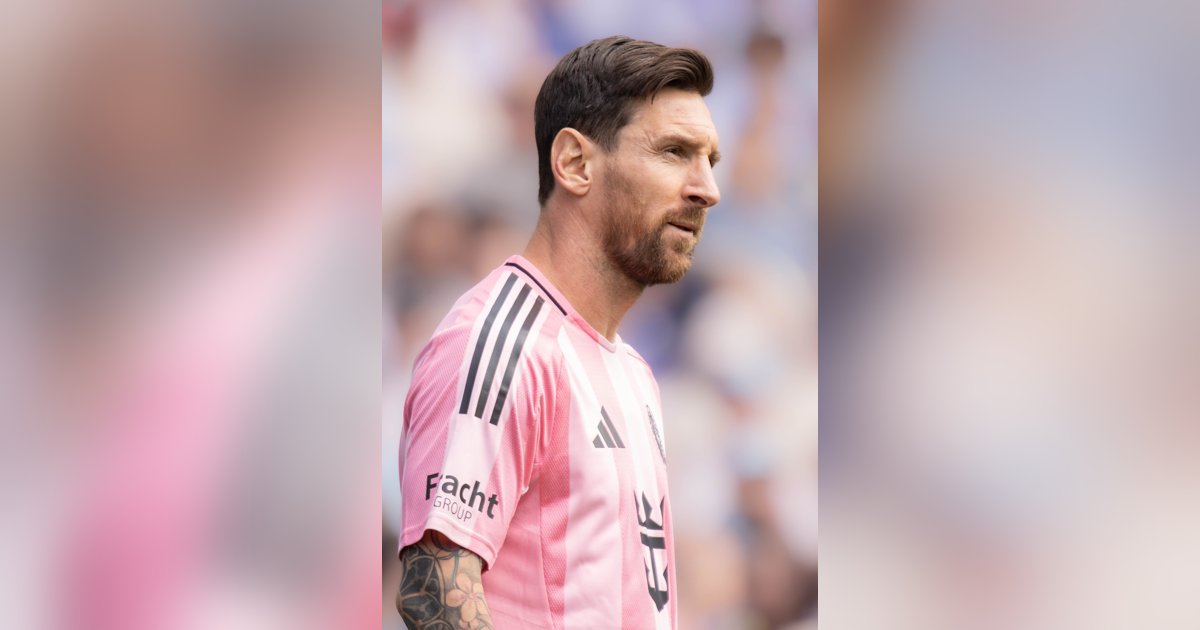
    Lionel Messi net worth is commonly estimated at somewhere between $500 million and $700 million, depending on whether the source counts only reported earnings or also adds endorsements, investments and property. Estimates vary, and no one outside his family office sees the full picture. What is clear is that he has been among the top-paid athletes in the world for well over a decade.

    A salary shaped by Barcelona

    Messi joined Barcelona’s youth academy as a teenager after the club agreed to cover treatment for a growth condition when he was a child in Argentina, and he made his senior debut in 2004. He went on to spend most of his career there, winning La Liga many times, several Champions League titles and a record number of Ballon d’Or awards.

    His pay rose with every renewal. In early 2021, Spanish newspaper El Mundo published what it said were contract details showing a total of more than $550 million over several seasons, a figure widely repeated. Barcelona never confirmed the numbers publicly, and clubs and players rarely do, so it is best described as reported.

    Paris and then Miami

    When the club’s finances prevented a renewal in 2021, Messi moved to Paris Saint-Germain on a reported two-year deal that included significant fan token and image-related components. In 2023 he signed with Inter Miami in Major League Soccer. Reports described a package that went beyond base salary, with a share in revenue from certain streaming and merchandise arrangements and an option to take an ownership stake in the club after retirement.

    Those details are worth hedging, because MLS contracts are partly private. But the broader point holds: the move reshaped how many people watch the league, and the structure suggests that his earning model includes upside beyond a flat wage.

    Lionel Messi net worth: endorsements

    Off the field, Messi’s endorsements are among the most valuable in sport. Adidas signed him to a lifetime deal, reported in the press as running into the hundreds of millions of dollars over its life. Other long-running partners have included Pepsi, Gatorade, Mastercard, Apple, Budweiser and Hard Rock International, among others, plus a brand relationship with a Saudi tourism campaign.

    Forbes has listed him among the highest-paid athletes in multiple years, placing his annual earnings at over $100 million at the peak, with a large share coming from off-field income. That balance between salary and sponsorship is a hallmark of elite athletes, and few have matched it for so long.

    Businesses and property

    Messi has invested in hospitality and real estate. The MiM Hotels group in Spain, which he runs through a partnership, owns properties in places such as Ibiza, Sitges and Majorca, and he has also reportedly owned a luxury apartment in Miami. He launched a brand called Messi Store with apparel and merchandise, and he has also been associated with a youth soccer academy and charitable work through the Leo Messi Foundation.

    • On-field pay: salary and bonuses across Barcelona, PSG and Inter Miami.
    • Endorsements: long-term sponsor contracts and ambassador roles.
    • Business interests: hotels, branded products and investment ventures.

    The 2022 World Cup effect

    When Argentina won the World Cup in December 2022, the victory cemented a legacy that sponsors love. A trophy that long eluded him changed how brands talk about him. The commercial value of a champion is difficult to quantify precisely, but analysts widely agree that the win has supported his marketability well into his later career.

    How to read the Lionel Messi net worth figure

    Treat any total as a range, not a fact. Salaries are reported before tax, and different countries tax athletes differently. Sponsorship income can be contingent on performance or on long contract terms, and private investments are rarely valued independently. For readers who like to compare athletes, the better metric is often annual earnings over time rather than a single net worth figure.

    In summary, Lionel Messi net worth rests on a long career at the highest level, structured deals that reward both performance and brand power, and a spread of businesses that should continue after he stops playing. He may be remembered first as a footballer, but financially he looks more and more like a diversified brand.

    For more background, see the Wikipedia article.
    Related reading

  • The Offside Rule Explained in Plain Language

    The Offside Rule Explained in Plain Language

    The offside rule is probably the most debated law in football, partly because it is judged in a split second and partly because it sounds more complicated than it is. At its heart the idea is simple: attackers should not be able to wait beside the opposing goal for a long pass. Here is what it actually says and how to spot it.

    The basic idea of the offside rule

    A player is in an offside position if, at the moment a teammate plays the ball to them, any part of their head, body or legs that can legally score a goal is closer to the opponents’ goal line than both the ball and the second-last opponent. Usually the goalkeeper is one of those two opponents, so in practice you are looking at the last outfield defender.

    Importantly, being in an offside position is not an offence in itself. A player is only penalised if they become involved in play, for example by receiving the ball, interfering with an opponent or gaining an advantage from the position.

    Where you cannot be offside

    Several situations are exempt from the offside rule:

    • In your own half of the pitch.
    • When level with the second-last opponent or the last two opponents.
    • When receiving the ball directly from a goal kick, a throw-in or a corner kick.

    Those exceptions explain why long, set-piece deliveries into the box do not result in flag after flag. They also explain why defenders push forward as a unit, trying to leave an attacker just behind the line.

    Which body parts count

    For judging position, the rule counts the head, body and feet, but not the arms. The line is drawn from the part of the body that can score a goal. So an attacker whose arm is slightly ahead of the last defender is not offside, but a forward whose shoulder or toe is ahead of the defender can be.

    Also, the position is judged at the moment the pass is played, not when the receiver gets the ball. A player can start behind the defence, run past it and receive the ball legally. This is why attackers time runs so carefully.

    Level is onside

    If an attacker is exactly level with the second-last defender, they are onside. This gives the benefit of the doubt to the attacker, a principle that was introduced to encourage attacking play.

    The offside trap

    Defending teams sometimes deliberately step upfield together just before a pass is played, leaving an opponent stranded in an offside position. This is called the offside trap. It demands good communication and discipline. If one defender fails to step up, the attacker is through on goal, so it is a risky tactic as well as a clever one.

    How offside is judged

    Traditionally, an assistant referee on the touchline watches the line of defenders and raises a flag when they see an offence. Judging it live is hard because the assistant has to watch the passer’s foot and the defensive line at the same time.

    Many professional competitions now use video assistant referees, or VAR, to review goals and key decisions. Some use semi-automated systems that track players’ limbs and the ball with cameras and sensors to draw a virtual line quickly. The final call stays with the referee, and exact procedures vary between competitions, so it is worth checking the rules of the tournament you follow.

    Why the law exists

    Without the offside rule, a forward could simply stand next to the goalkeeper all game and wait for long balls. Play would become stretched and repetitive. The law keeps teams compact and rewards well-timed movement, which is part of what makes football tactical.

    The law has also changed over the years. The earliest versions in the nineteenth century were far stricter, and refinements, including the idea that a player level with a defender is onside, came later. Football’s rule-making body, the International Football Association Board, maintains the Laws of the Game and updates them periodically.

    A quick way to remember it

    Picture a line across the pitch at the second-last defender. When the pass is played, any attacker beyond that line and ahead of the ball is in an offside position. Then ask whether they got involved. If the answer is yes, the offside rule applies and play stops for an indirect free kick to the other team. Watch a few matches with that in mind and it quickly becomes second nature.

    For more background, see the Wikipedia article.

    Related reading