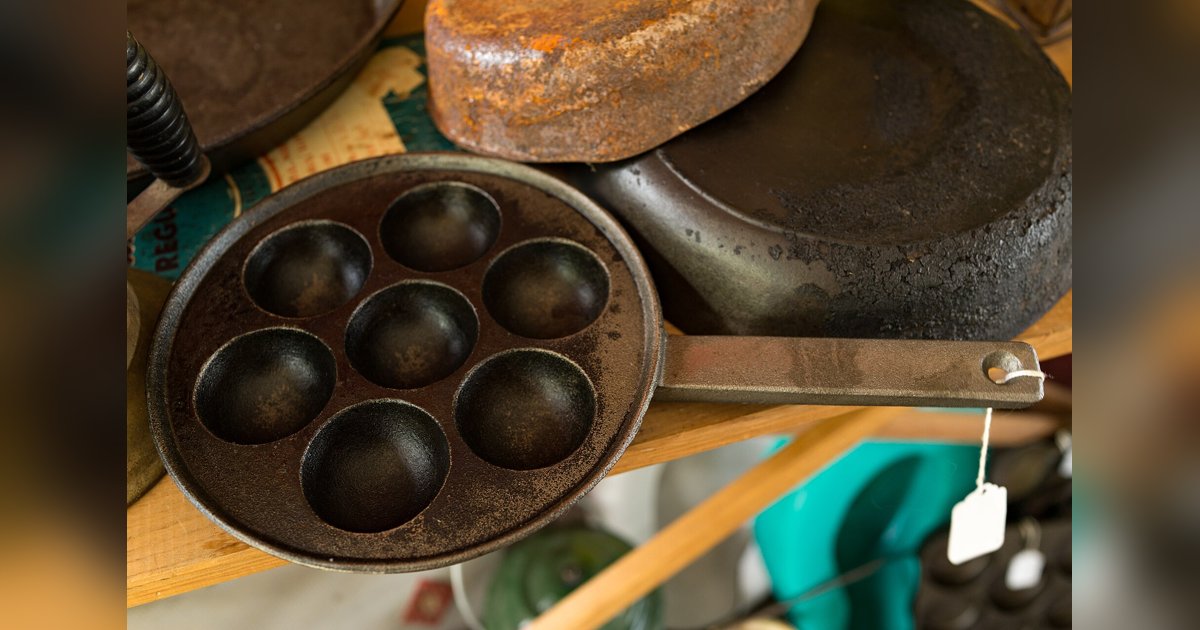
A cast iron skillet is heavy, cheap and nearly indestructible. It sears steaks, bakes cornbread, fries chicken and roasts vegetables, and with a little care it will outlive you. It also has a reputation for being fussy, which is mostly unearned. Once you understand a few ideas, the pan becomes one of the most dependable tools in the kitchen.
What Seasoning Really Is
Seasoning is not a layer of flavor. It is a thin coating of oil that has been heated until it polymerizes, forming a hard, slick surface bonded to the metal. A well-seasoned pan is dark and smooth, and food releases more easily. New pans often come pre-seasoned, but the coating improves with use, so do not be disappointed if the first few eggs stick.
To add a layer, rub a very thin film of neutral oil, such as vegetable, canola or flaxseed, over the clean, dry pan, inside and out. Wipe off nearly all of it, so the surface looks almost dry. Bake it upside down in an oven at about 230 degrees Celsius for an hour, with a tray underneath to catch drips, then let it cool in the oven. Too much oil leads to a sticky, blotchy finish.
Heating It Properly
Cast iron heats slowly and unevenly at first, then holds heat for a long time. Preheat the pan over medium heat for several minutes before adding food, and let it warm gradually. A thermometer is not needed; sprinkle a few drops of water and see if they dance. For searing, use a high smoke point oil and let the pan get hot enough that meat sizzles loudly when it lands.
The handle becomes extremely hot, especially in the oven. Keep a silicone sleeve or folded towel nearby, and make a habit of remembering that it is hot.
What to Cook First
Fatty foods help build seasoning. Bacon, burgers, sausages, fried chicken and pan-roasted potatoes are all good beginner choices. Avoid long-simmered acidic dishes, such as tomato sauce or wine-based braises, in the early days, because acid can strip a fragile seasoning and add a metallic taste. Once the surface is well established, a short cooking time with tomatoes causes no trouble.
- Steaks and chops develop a deep crust
- Cornbread and skillet cookies bake with crisp edges
- Eggs work well once the pan is properly seasoned and preheated
Cleaning Without Fear
Forget the old rule against soap. Mild dish soap will not ruin modern seasoning, because it is polymerized rather than loose grease. Still, avoid soaking the pan and skip the dishwasher. Wash it with hot water and a brush or sponge, scrub stuck bits with coarse salt or a chain mail scrubber, and dry it immediately.
After drying, warm the pan on the stove for a minute to drive off moisture, then rub a few drops of oil over the surface and wipe it nearly dry. That small habit prevents rust and keeps the finish healthy.
Fixing Rust and Sticky Spots
If rust appears, it is not the end. Scrub it off with steel wool or a stiff brush, wash and dry the pan, and repeat the seasoning process. If the surface turns sticky, it usually means too much oil was applied. Bake it again at a high temperature for an hour to harden the layer. Flaking, in rare cases, can be scraped and reseasoned.
Secondhand pans at flea markets and yard sales can be restored the same way, and old brands are often smoother than modern ones.
Is a Cast Iron Skillet Worth It?
A cast iron skillet is not ideal for everything. It is heavy, reacts with acidic foods, and takes time to heat. But for searing, baking and frying, few pans match it, and the price is low. Buy one ten-inch or twelve-inch skillet, use it often, and let time do the rest.
Many families pass a cast iron skillet down through generations, and the pan only improves with the years of cooking built into its surface. If you buy one, resist the urge to baby it. Use it for dinner, wash it, dry it, oil it lightly and put it back on the stove. Regular use is the best maintenance, and the skillet rewards your habit with a smoother, darker, more nonstick finish.
For more background, see the Wikipedia article.