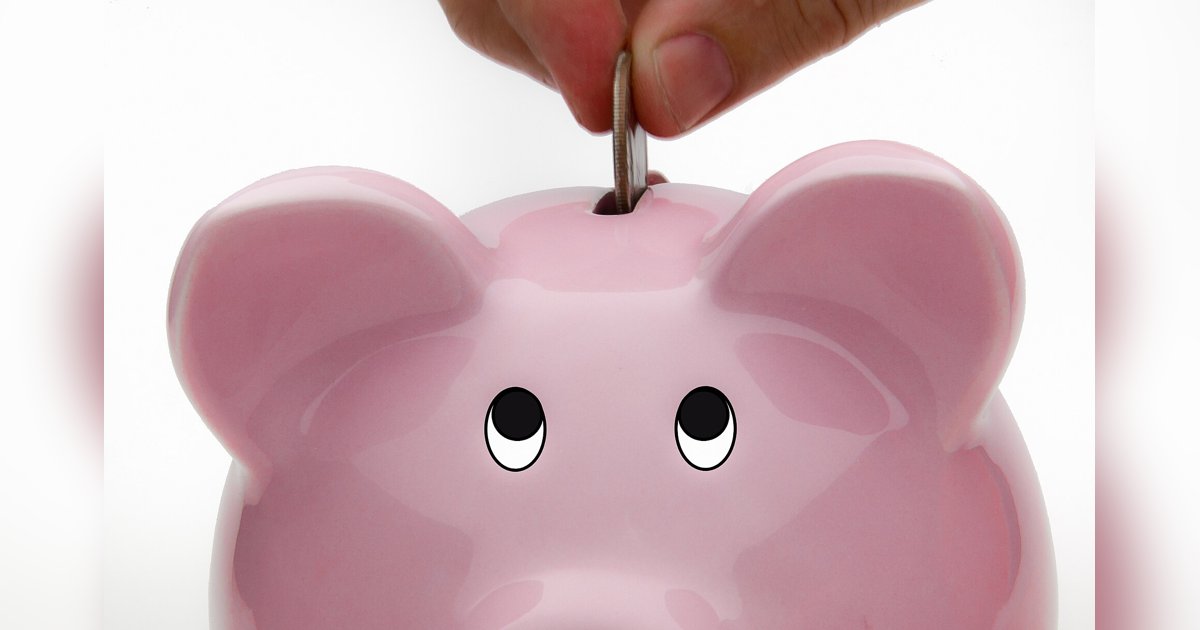
An emergency fund is a pile of cash set aside for the expenses you cannot schedule: a dead car battery, a sudden layoff, a dentist bill that arrives with too many zeros. It is dull by design. Its whole job is to be there, untouched, so that a bad week stays a bad week instead of turning into a credit card balance that lingers for years.
Why an emergency fund matters more than investing first
People love to talk about returns, but returns only help if you can leave your investments alone. Without cash on hand, a surprise expense forces you to sell stocks at a bad moment, borrow on a card charging 20 percent or more, or pull from a retirement account and pay penalties. A cash cushion removes that pressure. It is the foundation under every other money goal, which is why many planners suggest building at least a starter version before you chase anything fancy.
Think of it as insurance you pay yourself. Unlike a policy, you get the money back if nothing goes wrong, and you can keep it growing in the meantime.
How much is enough?
The common rule of thumb is three to six months of essential expenses. Note the word essential. Count rent or mortgage, utilities, groceries, insurance, minimum debt payments, and transport. Leave out streaming subscriptions, restaurants, and holiday travel, because in a real emergency those get cut first.
Here is a quick example. Suppose your essentials add up to $3,200 a month. Three months is $9,600, and six months is $19,200. That range is a guide, not a law. Some households need more, and some can get by with less.
- Closer to six months or more: a single income, a variable or commission-based paycheck, a specialized job that takes a long time to replace, or dependents who rely on you.
- Closer to three months: two stable incomes, a secure job, low fixed costs, and good insurance.
- A starter goal: if those totals feel impossible, aim for one month of essentials or even $1,000 first. A small buffer still stops many ordinary shocks.
Where to keep your emergency fund
The right home for this money is safe, liquid, and a little boring. A high-yield savings account at an insured bank is the usual answer. In the United States, deposits at banks are generally covered by FDIC insurance up to $250,000 per depositor, per bank, per ownership category, and credit unions have a similar NCUA program. Other countries have their own deposit protection schemes, so check yours.
Money market accounts and short-term Treasury bills can also work, but the key test is simple: can you reach the cash in a day or two without losing principal? Avoid keeping your emergency fund in stocks, crypto, or anything whose price might be down exactly when you need it. A separate account, ideally at a different bank from your everyday checking, also adds a helpful speed bump against casual spending.
How to build it without feeling deprived
Saving six months of expenses sounds enormous, so break it into steps. Automation does most of the work. Set a transfer for the day after payday, even if it is only $25 or $50, and raise it whenever you get a raise. Money you never see in checking is money you will not miss.
- Calculate your monthly essentials and write down the target.
- Open a dedicated savings account and name it something specific.
- Set up an automatic weekly or monthly transfer.
- Send windfalls, such as tax refunds, bonuses, or a sold item, straight into the fund.
- Track progress monthly and celebrate each milestone, like the first $1,000 or the first full month covered.
If you carry high-interest debt, many people split their efforts: build a small starter emergency fund first, then attack the debt, then fill the fund the rest of the way. Which order suits you depends on your numbers and your stress level.
What counts as an emergency, and what to do after you use it
A true emergency is unexpected, necessary, and urgent. A job loss, an urgent medical or vehicle repair, or an essential home fix qualifies. A sale on a television does not, and neither does a vacation you have been planning for a year. Predictable costs like annual insurance premiums, holiday gifts, or car registration belong in a separate sinking fund, so they never raid the emergency one.
When you do use the money, treat it as a success rather than a failure. That is exactly what it was for. Then pause other extras, rebuild the balance on the same automatic schedule, and move on.
The takeaway
A solid emergency fund will not make you rich, but it buys something nearly as valuable: options. You can take time to find the right job, fix the car properly, and sleep better. Start small, automate it, keep it in a safe account, and grow it until it covers a few months of essentials. This article is general information, not personal financial advice, so adjust the numbers to your own situation or speak with a qualified professional.
For more background, see the Wikipedia article.