Tag: net worth

  • Tom Hanks Net Worth: A Hollywood Career in Numbers

    Tom Hanks Net Worth: A Hollywood Career in Numbers

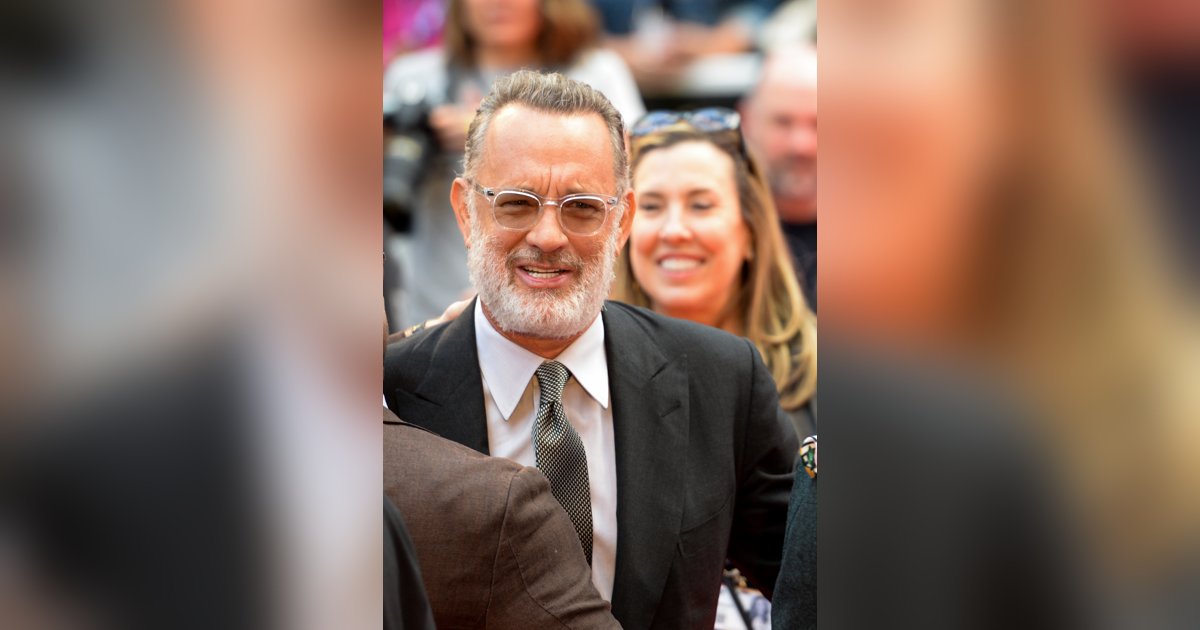
    Tom Hanks net worth is commonly estimated at around $400 million by sources such as Celebrity Net Worth, though the number varies by outlet and by how past earnings and assets are counted. He is one of the most consistently successful actors of his generation, and his money comes from a mix that is easy to describe but harder to price: salaries, profit participation, production work and a few carefully chosen investments.

    From sitcom to leading man

    Hanks got his first big break on the sitcom Bosom Buddies in the early 1980s, then moved into film with Splash in 1984. Big, released in 1988, earned him his first Oscar nomination. By the early 1990s he had shifted from comedy to prestige drama, winning back-to-back Best Actor Oscars for Philadelphia and Forrest Gump.

    That second film is a famous example of how deals can matter as much as fees. Reports have said that Hanks and director Robert Zemeckis took a share of the profits instead of a larger upfront salary, and that Hanks ultimately earned a figure often cited as around $40 million. Exact numbers have never been officially confirmed, but the story shows how back-end participation can multiply earnings when a film outperforms expectations.

    The big-fee decades

    Through the 1990s and 2000s he led Apollo 13, Saving Private Ryan, Cast Away, Catch Me If You Can, The Green Mile, The Da Vinci Code and many others. Reported salaries for his major vehicles reached the range of $20 million or more per film, plus profit shares in the best cases. Forbes has listed him among the highest-paid actors in various years.

    Tom Hanks net worth and the production company

    One reason Tom Hanks net worth is more than a list of salaries is Playtone, the production company he founded with Gary Goetzman in 1998. Playtone made the film My Big Fat Greek Wedding, which was a surprise box office success, and prestige television such as the miniseries Band of Brothers, The Pacific, John Adams and Mamma Mia! The company allowed him to participate in the profits of projects beyond his own acting fees.

    Owning a production company means the money is not only from showing up in front of the camera. It also comes from financing, producing and sharing in the earnings of films and television that may not even feature him on screen.

    Voice work and franchise income

    His performance as Woody in the Toy Story films is among the most recognizable voice roles in animation. Toy Story 4 alone earned more than a billion dollars worldwide, and while voice actors do not typically earn the same share as stars of live-action franchises, it contributes to continuing income, merchandising and residual payments. Hanks has also voiced projects in other formats and narrated documentaries.

    • Acting fees: multi-million dollar salaries for leading roles.
    • Profit participation: back-end deals on selected hits.
    • Production work: Playtone’s films, series and specials.
    • Voice acting and narration: Toy Story and other projects.

    Property and personal investments

    Over the years Hanks and his wife, actor Rita Wilson, have owned several homes in California, Idaho and elsewhere, according to real estate reports. They have bought and sold properties at a profit, which is a common pattern among long-established Hollywood families. Hanks has also published a short story collection, The Making of Another Major Motion Picture Masterpiece, and a novel, so publishing is a small but real addition. He has supported military and veterans organizations as well.

    Why estimates differ

    Figures like $400 million can look precise, but they are assembled from outside observation. Agents and managers take commissions, taxes apply at high rates in California, and charitable gifts reduce what remains. Meanwhile, asset values change, and private deals are not disclosed. That is why you should treat any single total as a reasonable estimate, not as an audited fact.

    The larger lesson is about durability. A career spanning more than four decades, with a mix of fees, ownership and diversified projects, explains most of the picture. Tom Hanks net worth is not driven by a single hit or a single brand but by consistent work and some smart structure around it, which is a different story from the overnight billion-dollar founders that often dominate such lists.

    For more background, see the Wikipedia article.
    Related reading

  • Bill Gates Net Worth: Microsoft, Cascade and Giving

    Bill Gates Net Worth: Microsoft, Cascade and Giving

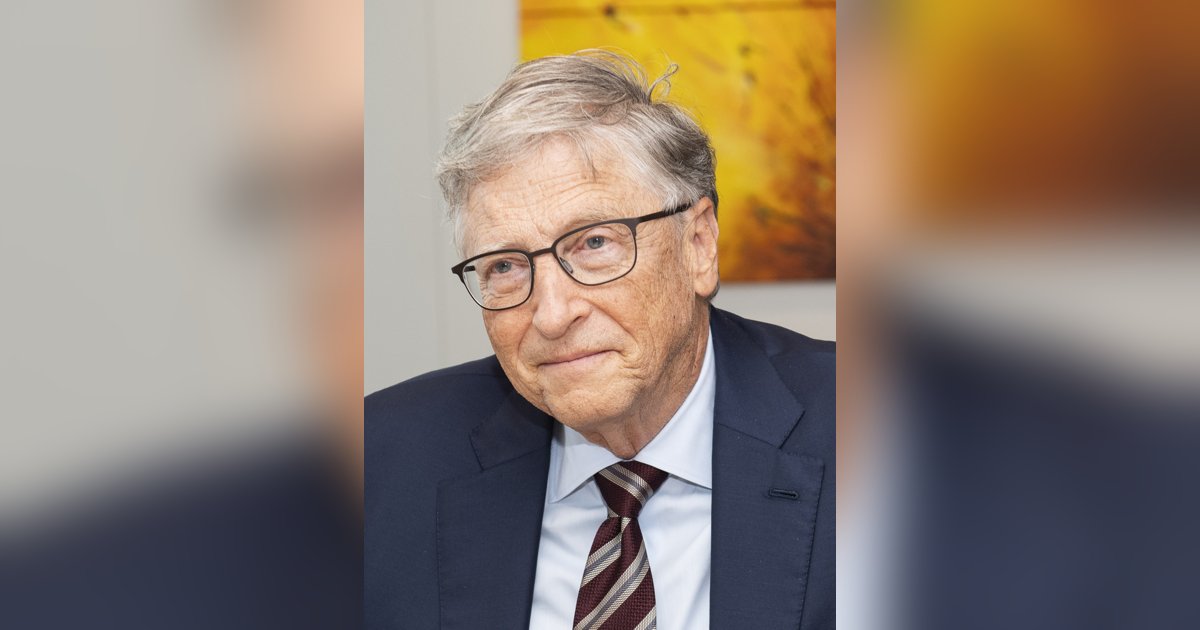
    Bill Gates net worth is estimated at somewhere above $100 billion by Forbes and Bloomberg, placing him consistently among the wealthiest people in the world. Estimates vary because share prices move every day and because a large part of his money has gone, and continues to go, to philanthropy. This article looks at how the fortune was built, where it sits today and why it is not growing the way you might expect.

    The Microsoft years

    Gates co-founded Microsoft with Paul Allen in 1975. The company’s big break came when it supplied the operating system for IBM’s personal computers in the early 1980s, and Microsoft retained the right to license it to others. That detail mattered enormously. MS-DOS and later Windows spread across the industry, and Office became the standard business toolkit.

    Microsoft went public in 1986, and Gates became a billionaire in 1987. He served as chief executive until 2000, then as chairman and chief software architect, and left the board in 2020. The long arc of the share price did the rest. For many years Forbes ranked him first on its global rich list.

    Bill Gates net worth is not just Microsoft

    These days, Microsoft stock is only one slice of his wealth. Over the years he sold shares gradually and moved assets into Cascade Investment, a private holding company that manages his money. Public filings and press reports have shown Cascade holding stakes in businesses including Canadian National Railway, Waste Management, Deere and Company and the hotel group Four Seasons, plus a wide range of other investments.

    He is also reported to be among the largest private owners of farmland in the United States, with holdings that have been estimated in the hundreds of thousands of acres. Cascade and Gates himself have said little about the strategy, but analysts note that a diversified portfolio of transport, waste, agriculture and hospitality assets looks quite different from a technology founder’s typical bets.

    The giving side

    In 2000, Gates and his then-wife created what is now the Gates Foundation, which became one of the largest private philanthropies in the world. It focuses on global health, vaccination, agricultural development and education. Gates has contributed tens of billions of dollars to it over time, and Warren Buffett pledged much of his own fortune to the foundation as well.

    In 2010 Gates and Buffett launched the Giving Pledge, encouraging wealthy individuals to commit most of their wealth to charitable causes. In 2025 Gates said he intended to give away nearly all of his remaining wealth through the foundation over the next two decades, with the foundation planning to wind down around 2045. That is a notable detail for anyone tracking net worth: a number that might otherwise keep rising is being deliberately drawn down.

    • Public equity: Microsoft shares, now a smaller share of the whole.
    • Private holdings: Cascade Investment and a mix of direct investments.
    • Real assets: farmland, real estate and stakes in hotels and railroads.

    Writing, ventures and climate

    Gates has written several books, including How to Avoid a Climate Disaster, and runs Breakthrough Energy, a network of investment vehicles and research groups focused on clean energy technology. He also backed TerraPower, a nuclear design company. These ventures are long-term and uncertain, and their value is hard to estimate. They may or may not become major earners.

    Why Bill Gates net worth rankings differ

    Forbes and Bloomberg use different methods. Forbes values public holdings using stock prices and estimates private ones using comparable companies, while Bloomberg uses its own models. The result is that two lists may differ by billions of dollars on any given morning. Giving also complicates matters, because money transferred to a foundation leaves the personal balance sheet even though it may still be directed by the donor.

    For readers, the useful point is that a tally is a moving target. Bill Gates net worth illustrates how a fortune can be built through control of a technology standard, preserved through diversified investment, and then deliberately redirected toward public goals. Whether that final stage reduces his ranking is, in his own words, intended.

    For more background, see the Wikipedia article.

    Related reading