Jeans are among the toughest garments in most closets, yet they often get ruined by habit: too much washing, too much heat, too much hurry. Good denim care is mostly a matter of doing less. Here is how to keep a pair looking and fitting well for years.
Understand what denim is
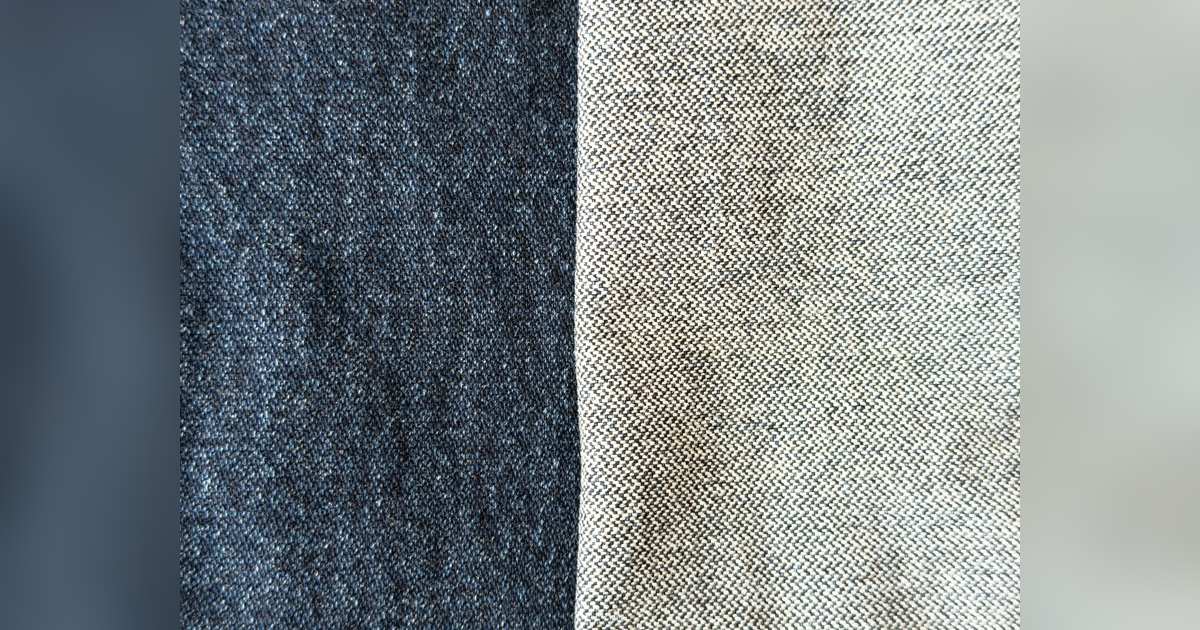
Denim is a sturdy cotton twill fabric, traditionally woven with an indigo-dyed warp thread and a white weft thread. That is why the inside of jeans looks paler than the outside, and why the colour fades with wear. Indigo dye sits on the surface of the yarn rather than soaking deeply in, which is the reason jeans fade gracefully, and also the reason harsh washing strips them quickly.
Many modern jeans include a little elastane for stretch. That makes them comfortable, but heat can damage those fibres, so denim care for stretch pairs needs a little more caution.
How often should you wash jeans?
Less often than you think. Many denim enthusiasts wash raw pairs only every few months. For everyday jeans, a sensible rule is to wash when they are visibly dirty, smell, or have been worn many times. Wearing them five to ten times between washes is common, though personal preference and climate play a role.
If you spill something small, spot clean it with a damp cloth and a drop of mild soap rather than running the whole pair through the machine.
Airing instead of washing
Hanging jeans outside in fresh air, or on a hanger near an open window, helps with light odours. Some people put them in the freezer, but evidence that this kills bacteria is weak. Airing is simpler and works well enough for mild smells.
A denim care washing routine
When it is time to wash, follow this order of steps:
- Check the care label first, because brands vary.
- Turn the jeans inside out to protect the surface and reduce fading.
- Close zips and buttons so metal does not snag other clothes or the drum.
- Wash with similar dark colours, using cold water and a gentle cycle.
- Use a mild detergent, ideally one made for darks, and avoid bleach and heavy fabric softener.
Cold water is the cornerstone of denim care. It saves energy, limits dye loss and reduces shrinking. Fabric softener can coat fibres and reduce stretch recovery, so skip it.
Drying without damage
High dryer heat is the biggest enemy of jeans. It shrinks cotton, damages elastane and can weaken seams over time. Hang them to air-dry instead, ideally away from direct sunlight, which can bleach colour unevenly. Hang by the waistband or lay them flat, and give them a shake and a tug into shape while they are damp.
If you must use a dryer, choose a low setting and pull them out while slightly damp to finish drying on a hanger. This is a sensible compromise for busy weeks.
Dealing with raw or dry denim
Raw denim has not been pre-washed or treated, so it is stiffer and darker, and it can bleed dye at first. Some wearers soak the jeans in cool water before the first wear to shrink them slightly and reduce bleeding. After that, washing intervals are stretched as long as comfort allows. Wash raw denim alone for the first few cycles.
Repairs extend life
Small holes tend to appear first at the crotch, the knees and the pocket corners. Catch them early. A simple darning stitch or iron-on patch from the inside can stop a rip spreading. A tailor or specialist repair shop can reinforce worn areas using matching thread or boro-style visible mending, which turns repairs into a design feature.
Storage and fit
Fold jeans or hang them from the belt loops or hem with a clip. Avoid cramming them into a tight drawer where creases set in. If the waist stretches out during the day, that is normal for cotton, and a cool wash will often bring it back, which is another reason to avoid heat.
Small habits, big payoff
Denim care does not require special equipment. Wash less, use cold water, turn them inside out and air-dry. A pair treated this way keeps its colour, shape and strength much longer. That saves money and cuts waste, since the most sustainable pair is the one you already own and keep wearing.
For more background, see the Wikipedia article.