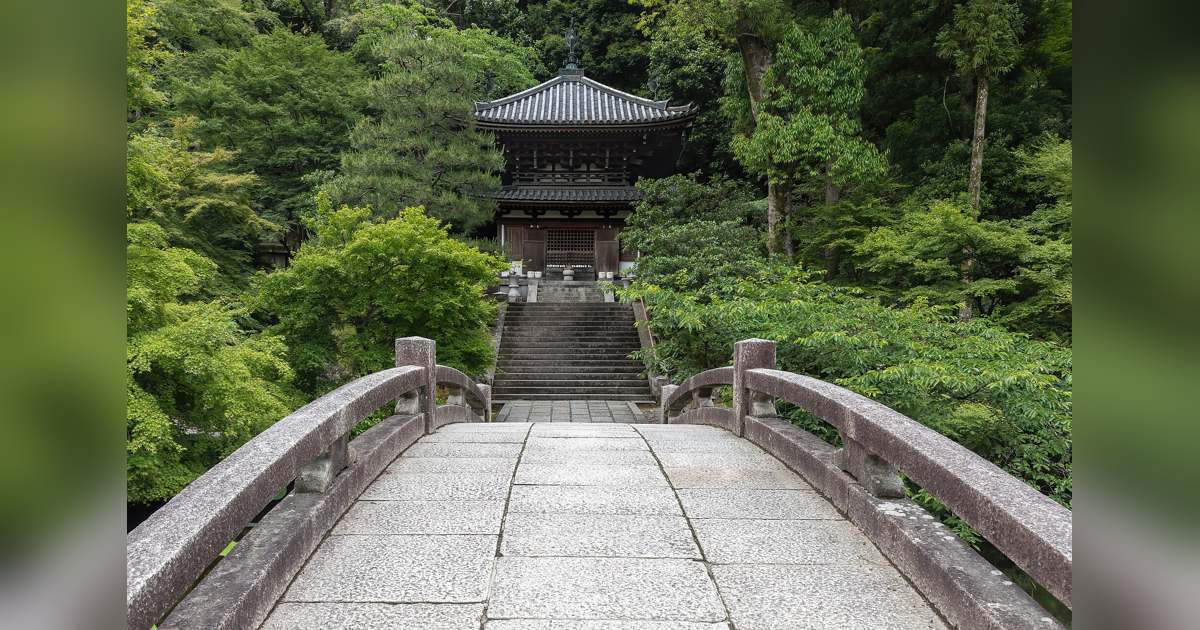
Kyoto has more than a thousand temples, and trying to see all of them is the surest way to enjoy none. A good Kyoto itinerary is about choosing less, starting early and leaving room for tea, noodles and wandering. Here is a three-day plan designed around geography, so you spend your time looking at gardens instead of sitting on buses.
Day One: Eastern Kyoto on Foot
Start at Kiyomizu-dera at opening time. The wooden stage juts out over the hillside and the views are best before the school groups arrive. Walk down the lanes of Higashiyama, past Sannenzaka and Ninenzaka, where old teahouses and pottery shops line the stone steps. Stop for lunch at a small soba or tofu restaurant rather than the busiest street cafe.
In the afternoon, continue north to Yasaka Shrine and through Maruyama Park. As evening falls, walk through Gion, the geisha district. Keep your voice low, do not chase or photograph the women walking to appointments, and respect the private-street signs. Dinner nearby could be a bowl of ramen or a set meal of seasonal dishes.
Day Two: Fushimi Inari and Southern Kyoto
Fushimi Inari Shrine, with its thousands of red torii gates, is open day and night. Arrive around sunrise or after dark if possible. The lower sections fill up fast, but the crowds thin out as you climb. The full loop to the summit takes about two to three hours, so wear sturdy shoes and carry water.
Afterward, take the train to Tofuku-ji, known for its autumn maples and Zen gardens, or to Uji for green tea and the Byodo-in temple. Uji is known for matcha, and you can taste it in desserts, noodles and traditional tea ceremonies. It feels calmer than central Kyoto and pairs nicely with the shrine climb.
Day Three: Arashiyama and the Northwest
Arashiyama is famous for its bamboo grove, which is beautiful but narrow and busy. Go early, spend twenty minutes, and then move on. Tenryu-ji temple has a lovely garden that many visitors skip, and the Okochi Sanso villa gives a quieter walk with views over the valley.
For the afternoon, head to Kinkaku-ji, the Golden Pavilion, and then to Ryoan-ji with its famous rock garden. Ryoan-ji rewards patience. Sit on the wooden veranda and let the group around you move on. The simplicity of the raked gravel is the point.
Eating Well Without a Reservation
Kyoto cuisine, called kyo-ryori, is delicate and seasonal. Fine kaiseki dinners can be expensive and require booking, but lunch versions are cheaper. For casual meals, try obanzai home-style dishes, yudofu simmered tofu near temples, and the market at Nishiki, where you can sample pickles, skewers and sweets. Many small restaurants have only a handful of seats, so a short wait is normal.
Convenience stores in Japan are surprisingly good for a quick onigiri or egg sandwich on a tight schedule.
Getting Around Kyoto
The city is more spread out than it appears on a map. Buses reach most sights but can be slow and packed. The subway is limited, and trains suit the south and west. Consider an IC card, such as ICOCA or Suica, for easy payment on buses and trains. Taxis are practical for groups of three or four, and cycling works well on the flat central grid if you are comfortable in traffic.
Cherry blossom season in late March and early April, and the autumn foliage in November, are spectacular and also the most crowded. Book accommodation months ahead for those windows. Winter and early summer are quieter, and rain adds mood to the gardens.
Why a Good Kyoto Itinerary Leaves Space
The best Kyoto itinerary has gaps. Allow time to sit in a temple garden, to lose your way in a residential lane, or to sit down for a bowl of warm noodles when your feet complain. Three days is enough for a good introduction, and the sights you skipped will give you a reason to return.
If rain arrives, do not abandon the plan. Temples look wonderful in drizzle, with dark wood, wet moss and fewer people. Carry a compact umbrella and swap outdoor stops for covered ones such as museums, markets and the grand halls of Higashi Honganji. A flexible Kyoto itinerary treats weather as part of the scenery rather than a setback, and you will often find the quietest, most atmospheric hours of the whole trip.
For more background, see the Wikipedia article.