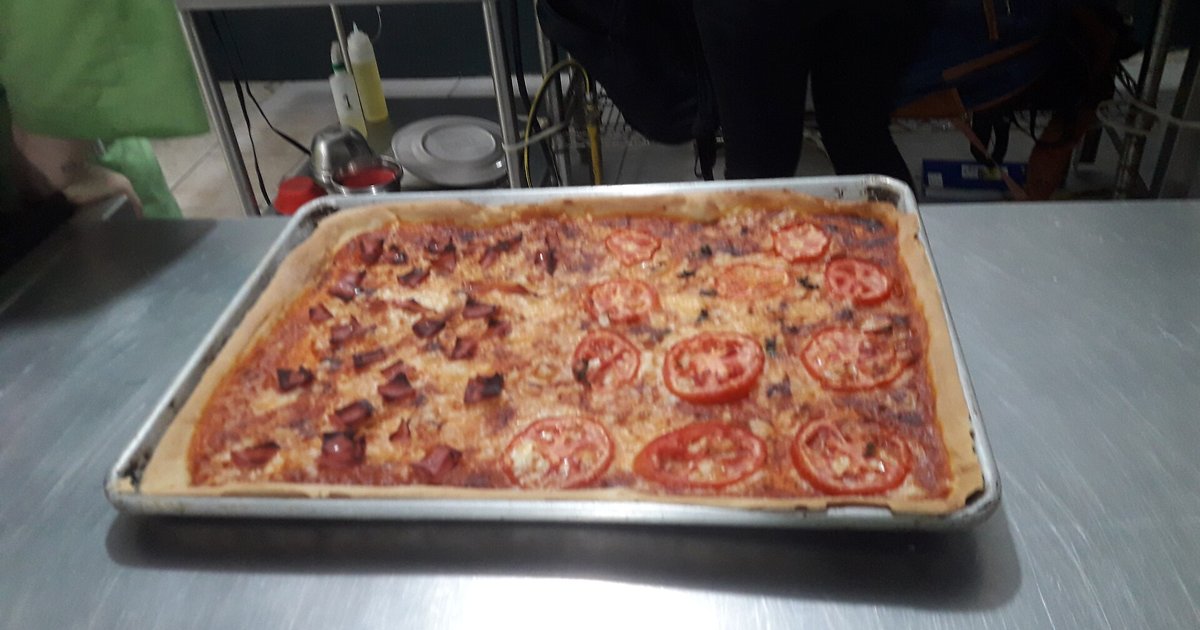
Pizza from Naples is not thick, crunchy or heavily topped. Real Neapolitan pizza has a soft, flexible center, a puffy, leopard-spotted edge and a small amount of tomato, cheese and basil. It is baked for around ninety seconds, and eaten right away. The style is protected in Italy and recognized by UNESCO, whose listing honors the art of the pizzaiuolo, the traditional pizza maker.
A Short History of Neapolitan Pizza
Flatbreads topped with oil and herbs had long been eaten in southern Italy, but pizza took shape in Naples as an affordable street food for working people. The tomato, brought from the Americas, eventually joined the bread. The famous margherita is traditionally linked to a visit by Queen Margherita in the nineteenth century, though historians debate how much of the tale is legend. What is certain is that the city’s pizza makers built a distinctive tradition.
The Dough Is the Point
A traditional dough contains only four ingredients: flour, water, salt and yeast. Finely milled flour, often labeled 00, gives a soft, extensible dough. It rests for many hours, typically eight to twenty-four, which develops flavor and a light texture. Hydration is moderate to high, and the dough is stretched by hand rather than rolled, to keep the air bubbles that form the puffy rim.
At home, a slow rise in the refrigerator for one to three days improves flavor. Bring the dough balls to room temperature before shaping, and handle them gently. Pressing from the center outward and leaving the edge untouched is the key to the cornicione, the airy rim.
Toppings: Keep It Simple
The two classic versions are the marinara and the margherita. The marinara has tomato, oil, garlic and oregano, with no cheese. The margherita adds fresh mozzarella and basil. Tomatoes are usually crushed by hand, lightly salted, and not cooked before baking. San Marzano tomatoes from the area near Vesuvius are prized, although good canned whole tomatoes from elsewhere will work.
- Use fresh mozzarella, drained and torn, so the pizza does not become soggy
- Keep the sauce thin, about a ladle for a whole pizza
- Add basil after or during baking, and finish with a thread of olive oil
Too many toppings weigh down the center and prevent the dough from cooking properly.
The Heat Does the Work
Authentic ovens, usually wood-fired and dome-shaped, reach around 430 to 480 degrees Celsius. At that temperature, the crust puffs and chars in seconds while the toppings stay fresh. A home oven reaches only about 250 degrees Celsius, so the result will be different but can still be very good.
To close the gap, preheat a pizza steel or stone for at least forty-five minutes on the top rack, then finish under the broiler for the last minute. Home pizza ovens designed for outdoor use can reach much higher temperatures, and many cooks find them worth the investment if they bake pizza often.
How to Eat It
In Naples, a pizza is usually eaten with a knife and fork in a restaurant, or folded into quarters as a street food called a libretto. The center stays soft and slightly wet because of the sauce and cheese, which is intentional. Do not expect a crispy slice that stands straight when held.
Troubleshooting at Home
If your crust is pale and tough, the oven is probably not hot enough or the dough is too dry. If the center is soggy, you used too much sauce or cheese. If the dough tears when you stretch it, it needs more rest or gentler handling. Take notes after each attempt and change one variable at a time.
A perfect version may need a wood oven and a Naples address. But you can capture the spirit of Neapolitan pizza with good flour, patience and restraint, and a few attempts will teach you more than any book.
Do not be discouraged by imperfect results. Even skilled pizza makers in Naples train for years. At home, focus on the dough first, then the heat, then the toppings, in that order. Bake several Neapolitan pizza attempts in a row, tweaking one thing each time, and you will learn how flour, hydration and oven temperature interact far faster than from reading recipes alone.
For more background, see the Wikipedia article.