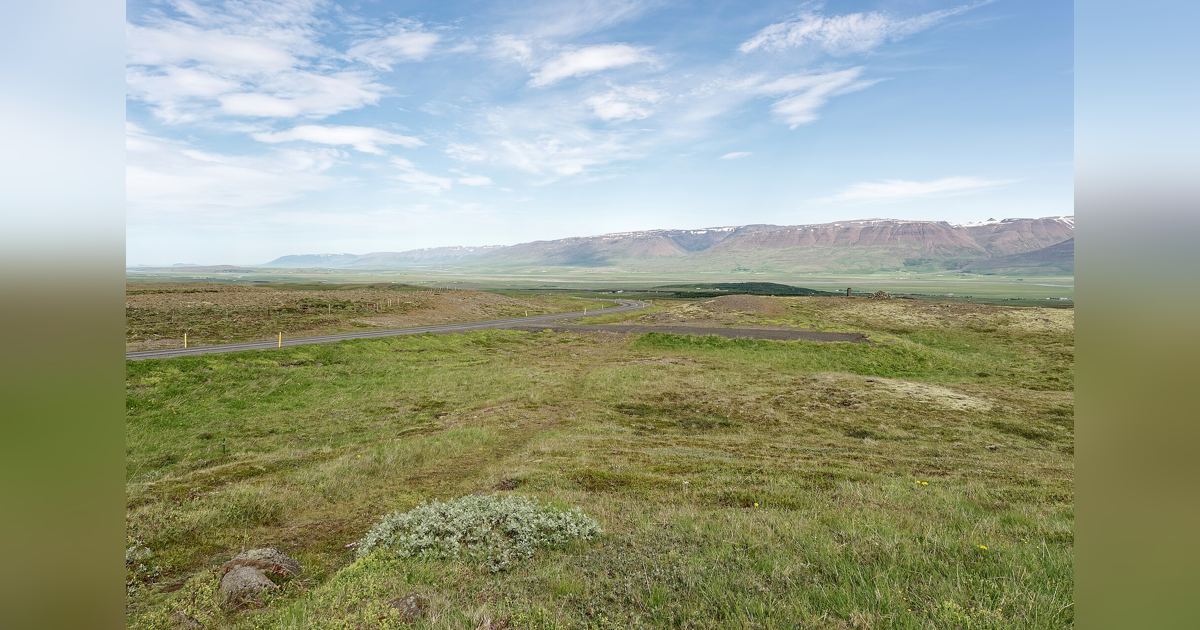
Route 1, better known as the Iceland ring road, circles the island for roughly 1,320 kilometers. It passes waterfalls, black sand beaches, glaciers, lava fields and fishing villages, and it is the most popular self-drive route in the country. Done well, it feels like a slow-moving documentary. Done in a rush, it becomes a blur seen through a windshield.
How Many Days You Need
You can technically drive the whole loop in three days, but you will see little. Seven days is a comfortable minimum, and ten lets you add side trips. The road is mostly paved, with a single lane in each direction, and speed limits are modest. Drives of three or four hours between major stops are common, and weather can slow you down.
If you have only a few days, consider driving the south coast and returning, or choosing a region such as the north or the east rather than the full circuit.
When to Go
Summer, from June to August, offers long daylight and the best road conditions, but also the highest prices and the biggest crowds. Late May and September are good compromises. In winter, the ring road remains open much of the time, but snow, ice and wind can close sections for hours or days. You will also have very little daylight, though you gain the chance of northern lights. Winter driving suits confident drivers with flexible schedules.
Choosing a Vehicle
A regular car is fine for the ring road in summer. A four-wheel-drive vehicle is required for the interior highland F-roads, and rental rules prohibit driving them in ordinary cars. If you travel in winter, choose a vehicle with good tires and ask the rental company about gravel protection and sand and ash coverage, since wind-blown grit can damage paint and windows.
Fuel stations are frequent in the south and west, and sparser in the east and the interior. Fill up when you are half empty. Many stations are automated and need a card with a PIN.
The Stops That Earn Their Time
On the south coast, Seljalandsfoss lets you walk behind the waterfall, and Skogafoss is a broad curtain of water you can climb beside. Reynisfjara has black sand and basalt columns, but waves there are dangerous, so never turn your back on the sea. Further east, Jokulsarlon glacier lagoon floats icebergs toward the sea, and nearby Diamond Beach is dotted with ice chunks.
In the north, Lake Myvatn has volcanic landscapes and geothermal baths, and Godafoss is a graceful waterfall right beside the road. The Eastfjords bring quiet villages and winding coastal drives, and are often skipped by hurried travelers. West of the route, the Snaefellsnes peninsula packs mountains, coastline and lava formations into a short detour.
Weather and Safety
Iceland weather changes quickly. Check road conditions at the official road administration site and the weather service every morning. Wind can rip a car door out of your hand, so open it carefully and hold it with both hands. Stay on marked paths at natural sites, because moss and thin crust damage easily and some areas are unstable.
Do not drive off-road, which is illegal and harms fragile land. Keep a charged phone, snacks and a warm layer in the car. The emergency number is 112.
Booking and Budgeting for the Iceland Ring Road
Iceland is expensive. Save money by booking guesthouses early, shopping at supermarkets, and picnicking on bread, skyr and fruit. Tap water is excellent and free. Many hot dogs and soups at gas stations are cheaper than restaurant meals. A good Iceland ring road trip is less about ticking off sights and more about leaving time to stop whenever the light turns remarkable.
Also allow for the unexpected. A storm can pin you in a village for a day, and a closed pass may force a detour. Build one spare day into the Iceland ring road schedule, and keep your bookings cancellable where possible. Travelers who treat the route as a flexible line, rather than a rigid timetable, usually return with the best stories and the fewest frustrations.
For more background, see the Wikipedia article.