
Tag: habits

  • Why a Consistent Sleep Schedule Matters More Than You Think

    Why a Consistent Sleep Schedule Matters More Than You Think

    Most of us know how many hours of sleep we are supposed to get. Far fewer of us think about when those hours happen. A regular sleep schedule, going to bed and waking at roughly the same times each day, is a simple habit that many people overlook, even though it supports how they feel through the day.

    This article offers general wellness information, not medical advice. If you have ongoing trouble sleeping, talk to a clinician.

    Your Body Likes a Rhythm

    Humans run on an internal clock, often called the circadian rhythm, which roughly follows a 24-hour cycle. It is influenced by light, meals, activity and, importantly, the timing of your sleep. When your bedtime and wake time bounce around, the clock gets mixed signals, and you may feel sluggish or groggy at odd hours.

    You have likely experienced a mild version of this after a late weekend. Monday morning feels harder than it should, which some people jokingly call social jet lag. The sleep was not necessarily shorter, but the timing shifted.

    Pick a Wake Time to Anchor Your Sleep Schedule

    Many people start by choosing a bedtime, but a fixed wake time is usually the stronger anchor. Choose a time you can keep on most days, including weekends, within about an hour. Then count backward by the amount of sleep you generally need, which for most adults falls somewhere around seven to nine hours, and add a little time to fall asleep.

    That gives you a target window for getting into bed. You do not have to be exact. Think of it as a lane rather than a tightrope.

    Move in Small Steps

    If your current pattern is far from your target, shift gradually. Moving bedtime earlier by fifteen minutes every few days is easier to sustain than a sudden jump of two hours. Your body adjusts, and you are less likely to lie awake feeling frustrated.

    Use Light as Your Ally

    Light is the strongest cue your body clock receives. Getting outside in the morning, even on a cloudy day, helps signal that the day has begun. A short walk with your coffee does the job nicely.

    In the evening, do the opposite. Dim overhead lights an hour or two before bed, favor warm lamps, and reduce bright screens close to bedtime. If you use devices late, lowering brightness and keeping them at arm’s length may help, though the content you consume can matter as much as the light.

    Build a Wind-Down

    A consistent sleep schedule works better with a consistent runway. Spend thirty minutes doing calm, repeatable things in the same order. Examples include:

    • Tidying the kitchen and setting out tomorrow’s clothes
    • A warm shower or wash
    • Reading a paper book or listening to quiet music
    • Gentle stretching or slow breathing

    The repetition matters more than the specific activities. Over time, the routine becomes a cue that your body links with sleep.

    Watch Caffeine, Alcohol and Late Meals

    Many people sleep better when they keep caffeine to the morning or early afternoon, since its effects can linger for hours. Alcohol may make you drowsy but often fragments sleep later in the night. Heavy meals close to bedtime can leave some people uncomfortable. Experiment and notice how your own body responds.

    Handle the Weekend Dilemma

    Staying out late on a Saturday is part of life. To protect your sleep schedule without becoming a hermit, try to keep your wake time within an hour or so of the weekday time. If you need extra rest, a short nap of twenty to thirty minutes in the early afternoon can help, while long late-day naps may make it harder to fall asleep that night.

    For shift workers and new parents, a perfect schedule may be impossible. Aim for whatever consistency you can manage, such as a fixed wind-down routine and a dark, quiet room, even if the times vary.

    Make the Bedroom Work for You

    A cool, dark and quiet room suits most sleepers. Blackout curtains, earplugs or a white noise machine can help. Reserve the bed mainly for sleep, and if you cannot sleep after what feels like twenty minutes, get up, do something calm in dim light and return when drowsy. Lying there watching the clock tends to build frustration.

    Consistency is not glamorous, but it costs nothing and builds up over weeks. Notice how you feel after two or three weeks of steadier hours. If you still feel unrefreshed, or you snore heavily, wake often or feel very sleepy during the day, talk to a doctor or other clinician rather than guessing. A regular sleep schedule is a good foundation, not a cure-all.

    For more background, see the Wikipedia article.

    Related reading

  • A Simple Evening Routine That Sets Up a Better Tomorrow

    A Simple Evening Routine That Sets Up a Better Tomorrow

    Many people picture an ideal evening routine as a glossy sequence involving herbal tea, a gratitude journal and a spotless kitchen. Real evenings involve homework, leftovers and a phone that keeps lighting up. The routines that last are the small, boring ones, and they tend to focus on tomorrow as much as tonight.

    Why the Evening Deserves Attention

    Mornings get most of the productivity advice, yet the quality of a morning is mostly decided the night before. If your bag is packed, your clothes are chosen and the kitchen is reasonable, you spend the first hour of the day with a clear head rather than hunting for a charger.

    The evening is also the one stretch of the day that is truly yours, if you protect it. Without a loose structure it drains away into scrolling, and you go to bed vaguely annoyed that nothing happened.

    Start With a Hard Edge

    The most useful part of any evening routine is a clear signal that work is over. For people who commute, the trip home does this naturally. For people working from home, you need a substitute. Some options that work well:

    • Close the laptop and put it in a drawer or bag.
    • Change clothes, even if only your top.
    • Take a ten-minute walk around the block.
    • Write tomorrow’s top three tasks on paper, then stop thinking about them.

    That last item deserves emphasis. Jotting down tomorrow’s priorities takes five minutes and keeps your mind from rehearsing them at midnight. The list is a container: once it is on paper, you are allowed to let go.

    Build the Evening Routine Around a Ten-Minute Reset

    Pick a handful of chores that make the next morning easier, and cap them with a timer. A reasonable list might be:

    1. Load or empty the dishwasher and wipe the counter.
    2. Set out clothes and pack the bag.
    3. Put keys, wallet and phone charger in their usual spots.
    4. Take a quick look at the calendar for tomorrow.

    The timer matters. Without it, a reset swells into an hour of cleaning, and you resent the routine. With it, you finish a small job and move on. Ten minutes is a promise you can keep even on terrible days.

    Keep a Minimum Version

    Every habit needs a floor, a version so easy you can do it when exhausted. Your minimum evening routine might be three things: counters wiped, bag by the door, phone on the charger across the room. On good nights you do the full version. On bad nights you do the floor, and the chain stays unbroken.

    Protect a Little Time for Yourself

    Once the practical bits are done, the rest of the evening is yours. That sounds obvious, but many people never decide how they want to spend it, so the default choice wins. A phone can be genuinely relaxing, but it is rarely what people say they want more of.

    Choose one or two activities that you actually look forward to. Reading a few chapters, playing a board game, stretching, calling a friend, sketching, or watching one episode with the next one off limits. Having a short menu removes the friction of deciding when you are tired.

    If you share a home, talk about it. A shared evening routine can be as simple as agreeing that the last half hour before bed is screen-light and conversation-friendly. Couples and families often find this is the part they miss most.

    Make the Environment Do the Work

    Small changes to the room beat willpower. Dim the lights an hour before bed, switch from the bright overhead to a lamp, and leave a book where the phone used to sit. Charge your phone in another room if you can; an inexpensive alarm clock removes the main excuse for keeping it at the bedside.

    Temperature and noise matter too. Many people sleep more comfortably in a cool, quiet bedroom, and a regular wind-down pattern teaches your body what is coming. Consistent timing, going to bed and waking at similar hours, tends to make the whole evening routine feel more natural.

    Adjust Without Guilt

    Life changes. A new baby, a late shift or a visiting relative will break your evening routine, and that is fine. Treat the routine as a tool rather than a test. If a step no longer helps, drop it. If you keep skipping something, make it smaller.

    After a few weeks, check in with yourself. Do mornings feel calmer? Are you less irritable by nine o’clock? Do you have something to look forward to? If the answer is yes, the routine is working, however modest it looks from the outside.

    A good evening routine is not an aesthetic. It is a short list of small acts that quietly hand a calmer person to tomorrow morning.

    For more background, see the Wikipedia article.
    Related reading

  • Daily Hydration: Simple Ways to Drink Enough Without Overthinking

    Daily Hydration: Simple Ways to Drink Enough Without Overthinking

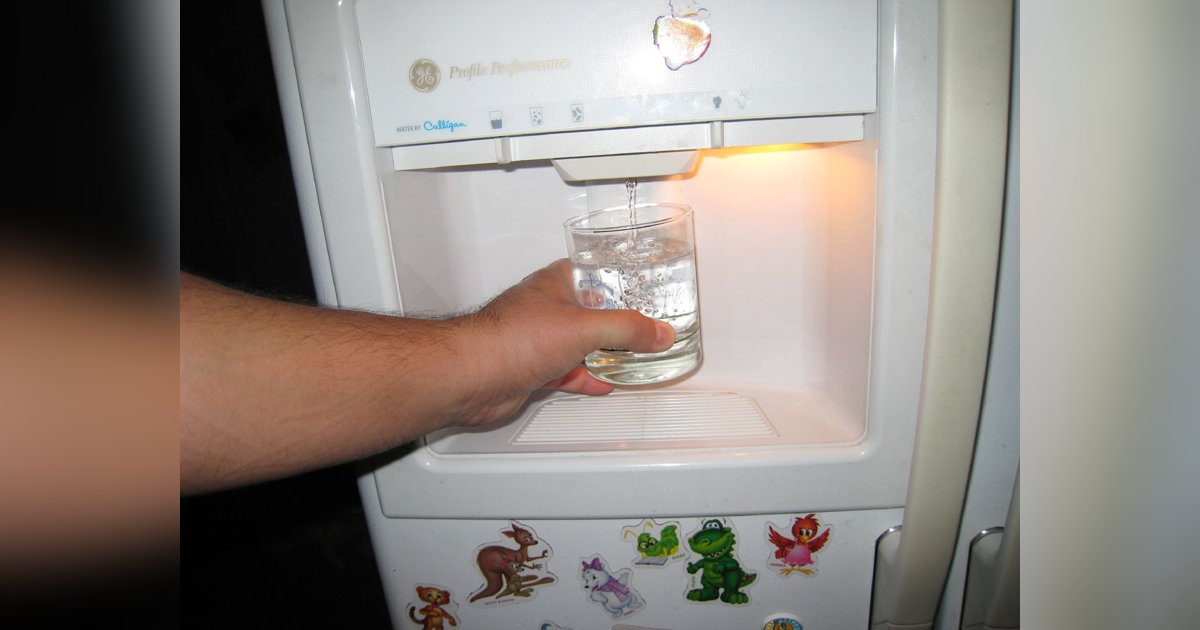
    Water makes up a large share of the human body, and it is involved in nearly everything we do, from regulating temperature to moving nutrients around. Yet many people go through the day running slightly dry, relying on coffee and the occasional glass at dinner. Good daily hydration is rarely complicated; it mostly needs a few easy cues and some convenient habits.

    This is general wellness information, not medical advice. Some people have conditions or take medications that change fluid needs, so ask a clinician if that applies to you.

    How Much Is Enough?

    You have probably heard the eight glasses a day rule. It is a handy reminder rather than a scientific law. Fluid needs depend on body size, climate, activity level, diet and health. Some national health agencies suggest total daily fluid intakes of roughly two to three liters for adults, including water from food and other drinks, with variation between individuals and between men and women.

    A significant share of your fluid comes from food. Soups, fruit, vegetables, yogurt and even bread contain water. So rather than chasing a number, it helps to look at practical signals.

    Use Simple Cues

    Thirst is a reasonable guide for most healthy adults, though it may lag behind needs during intense exercise, heat or illness. Another everyday cue is urine color. Pale yellow generally suggests you are well hydrated, while dark amber may suggest you need more fluid. Bear in mind that some vitamins, foods and medications can change the color.

    Other possible signs of low fluid intake include a dry mouth, headache or feeling unusually tired. These can have many causes, so treat them as prompts to drink a glass of water, not as a diagnosis.

    Make Daily Hydration Easy to Reach

    The simplest hydration strategy is convenience. If water is in front of you, you will drink more of it. Try these:

    • Keep a bottle or glass on your desk and refill it at set times.
    • Drink a glass when you wake, before your coffee.
    • Carry a reusable bottle in your bag or car.
    • Pair drinking with routines, such as one glass with each meal.
    • Use a visible marker or app if you like tracking.

    Choose a bottle you actually like. A comfortable size, a lid that does not leak and a wide opening for cleaning make the habit less annoying.

    Flavor Without Fuss

    If plain water bores you, add a slice of lemon, cucumber, mint or a few berries. Sparkling water counts too. Herbal teas and diluted juice also contribute. Many people find cold water more appealing in summer and warm drinks more inviting in winter, so follow your preference.

    What About Coffee, Tea and Other Drinks?

    Coffee and tea contribute to fluid intake for most regular drinkers, despite the old belief that they dehydrate. Very large amounts of caffeine can cause other problems, and sensitivity varies, so moderation is sensible. Sugary drinks and energy drinks add calories and, in some cases, a lot of caffeine, so many people keep them occasional. Alcohol tends to increase fluid loss and is not a good choice for hydrating.

    Adjust for Heat and Activity

    During hot weather or exercise, you lose more fluid through sweat. Drink before, during and after longer sessions, and sip steadily rather than gulping a liter at once. For most casual workouts, water is enough. Very long or intense efforts may call for electrolytes, and a sports professional can advise on that.

    Older adults sometimes feel less thirsty even when fluid needs remain, and young children may need reminders. A regular schedule of drinks helps both groups.

    Can You Drink Too Much?

    Yes, though it is uncommon for most people. Drinking extreme amounts in a short time can dilute sodium in the blood, which can be dangerous. There is no need to force fluids beyond comfort. Aim for steady, moderate drinking across the day and let thirst and urine color guide you.

    Putting It Together

    Start with one change. Put a filled glass beside your bed tonight, or place a bottle next to your keys so it travels with you. After a week, add another habit, such as a drink with every meal. Over time, daily hydration becomes automatic, and good daily hydration stops feeling like a task.

    If you have persistent thirst, very frequent urination, swelling or other symptoms that concern you, talk to a health professional rather than relying on home adjustments. For everyone else, a simple, steady approach to water is an easy way to support everyday wellbeing.

    For more background, see the Wikipedia article.

    Related reading

  • Small Habits for Everyday Stress That Actually Fit Your Day

    Small Habits for Everyday Stress That Actually Fit Your Day

    A late train, a full inbox, a sink of dishes, a message from a relative that needs a careful reply. Everyday stress is rarely dramatic. It builds from small pressures that stack up until the whole day feels heavy. The goal is not to eliminate stress, which is impossible, but to build small habits that help you recover between the bumps.

    This article offers general wellness ideas, not medical advice. If stress feels overwhelming or affects your sleep, appetite or relationships for weeks, please talk to a doctor, counselor or other qualified professional.

    Notice What Stress Feels Like for You

    People experience stress differently. For some it shows up as a tight jaw or shoulders; for others as irritability, a racing mind or a tendency to snack or scroll. Spending a day or two noticing your own signals is useful. When you catch the early signs, small adjustments work much better than waiting for a breaking point.

    Try pausing three times a day and asking: where is my body tense, and what am I thinking? You are not trying to fix anything yet, only gathering information.

    Use Your Breath to Ease Everyday Stress

    Slow breathing is one of the most accessible tools for everyday stress. One simple pattern is to breathe in through your nose for about four seconds and out slowly for about six, repeating for a minute or two. Longer exhales tend to feel calming for many people.

    You can do this at a red light, in a queue or before opening a difficult email. Nobody needs to know. If counting is distracting, just try to make the out-breath a little longer than the in-breath.

    Move a Little

    Physical activity is a well-known companion to stress relief. It does not need to be a workout. A ten-minute walk, a few stretches by your desk or climbing the stairs instead of waiting for the lift can change your mood. Moving your body gives tension somewhere to go.

    If your job is sedentary, set a gentle reminder every hour to stand, roll your shoulders and look at something far away. These micro-breaks break up the day and often improve concentration too.

    Step Outside When You Can

    Time in green spaces is widely associated with feeling calmer. Even looking at trees from a window or eating lunch on a bench may help. Natural light also supports your body clock, which in turn affects how well you sleep and cope.

    Shrink the To-Do List

    A great deal of everyday stress comes from carrying too many open loops in your head. Write everything down, then pick the three things that matter most today. Everything else can wait without disaster.

    Practical steps for taming overload:

    • Break big tasks into the smallest next action.
    • Say no, or not yet, to non-essential requests.
    • Group similar chores to reduce switching.
    • Build in buffer time between appointments.

    Perfection is a heavy burden. Often good enough, finished, is better than flawless and late.

    Protect the Basics

    Stress and the basics of self-care feed each other. When you are tired, everything feels harder, and when you are stressed, sleep often suffers. Aim for a reasonably regular sleep pattern, regular meals, enough water and limited late-night caffeine. None of this is glamorous, yet these foundations make stress easier to handle.

    Be careful with using alcohol, endless scrolling or comfort snacking as your main coping tools. They can feel soothing in the moment but frequently leave you more drained later. Having a few alternatives ready, such as a walk, a call with a friend or a hot shower, gives you options.

    Lean on People

    Talking to someone you trust is among the oldest stress tools there is. You do not need solutions; sometimes you just need to say the thing aloud. A short message to a friend, a chat with a colleague over tea or a family dinner without screens can lighten a load.

    If you find yourself unable to cope, there is no shame in seeking support. Many workplaces offer confidential assistance programs, and a health professional can discuss options that suit you.

    Build a Tiny Recovery Ritual

    Choose one small ritual that marks the end of a stressful stretch. It might be changing clothes, making a cup of tea, stepping onto the balcony or playing one favorite song. Repeating it teaches your body to shift gears.

    Managing everyday stress is less about big overhauls and more about steady, kind habits. Start with one, practice it for a week and see how it feels. Small, repeated acts of care tend to add up.

    For more background, see the Wikipedia article.

    Related reading

  • Daily Walking: An Easy Habit You Can Start This Week

    Daily Walking: An Easy Habit You Can Start This Week

    No gym fees, no special gear, no complicated plan. Daily walking is about as accessible as exercise gets, and for many people it is the easiest way to move a bit more. This is general wellness information rather than medical advice; if you have a health condition or have been inactive for a long time, check with a clinician before increasing your activity.

    Why Daily Walking Works as a Habit

    The best form of movement is the one you will actually do. Walking has a very low barrier. You already know how, you can do it almost anywhere, and it rarely leaves you too sore to repeat tomorrow. Public health guidance in many countries encourages regular moderate activity, and brisk walking commonly counts toward it.

    Walking also does more than burn energy. Many people find it clears their head, lifts their mood and gives them time away from screens. A walk can be a break, a commute, a social outing or a quiet moment alone.

    Start Smaller Than You Think

    The classic mistake is deciding to walk an hour every morning, doing it for three days and then quitting. Begin with a target so small it feels almost silly: ten minutes after lunch, or one lap around the block after dinner. Once the habit is established, extend it.

    If you track steps, check your current average for a few days first. Then add roughly 500 to 1,000 steps to your daily baseline and hold it for a week or two. The popular figure of 10,000 steps is a handy round number rather than a magic threshold, and many people benefit from simply being more active than they were.

    Attach It to Something Existing

    Habits stick when anchored to something you already do. Some ideas:

    • Walk for ten minutes right after your first coffee.
    • Take a loop after lunch before returning to your desk.
    • Get off the bus or train one stop early.
    • Walk while taking phone calls that do not need a screen.
    • Stroll after dinner with a family member or a pet.

    These small additions sneak daily walking into the day without requiring extra time blocks.

    Make It Pleasant

    If a walk feels like a chore, it will not last. Choose routes you enjoy: a park, a waterfront, a street with interesting buildings. Vary them to keep things fresh. Podcasts, audiobooks and music can make time pass quickly, though leaving the headphones at home occasionally lets you notice birds, weather and your own thoughts.

    Comfortable shoes matter more than fancy ones. Choose a pair with good cushioning and room for your toes, and dress for the weather. A light rain jacket and a hat remove most excuses.

    Add Gentle Variety

    Once walking feels easy, you can gradually add challenge, though there is no obligation. Try picking up the pace for a minute or two at a time, choosing a hillier route, or carrying a light backpack. Walk with a friend and make it a standing appointment, which provides accountability and conversation.

    Pay attention to your posture. Keep your head up, shoulders relaxed and arms swinging naturally. Short, quick steps are generally more comfortable than overstriding.

    Plan for Bad Days

    Weather, illness and busy schedules will interrupt daily walking. Have a backup plan. Pace the hallway during a phone call, use an indoor mall, or walk up and down the stairs a few times. A short walk on a poor day keeps the habit alive, which matters more than the length.

    Do not treat a missed day as failure. Simply resume the next day. The goal is a pattern over months, not a perfect record.

    Listen to Your Body

    Mild muscle tiredness at first is normal, but sharp pain, dizziness, chest discomfort or unusual shortness of breath are reasons to stop and seek medical advice. If you have joint problems, balance concerns or a chronic condition, a clinician or physiotherapist can suggest what is suitable for you.

    Staying hydrated, wearing good shoes and building up gradually all help to keep walking comfortable.

    Track Progress Lightly

    A step counter, a phone app or a simple calendar tick can encourage you. Just be careful not to let the numbers become a source of stress. The point of daily walking is to feel a bit better and a bit more energetic, not to hit a perfect score.

    Start today with ten minutes. Tomorrow, do it again. In a month, you may find that the walk has become one of the parts of your day you would least like to give up.

    For more background, see the Wikipedia article.

    Related reading