Tag: Europe

  • A Lisbon City Guide for Walkers, Eaters and Tram Riders

    A Lisbon City Guide for Walkers, Eaters and Tram Riders

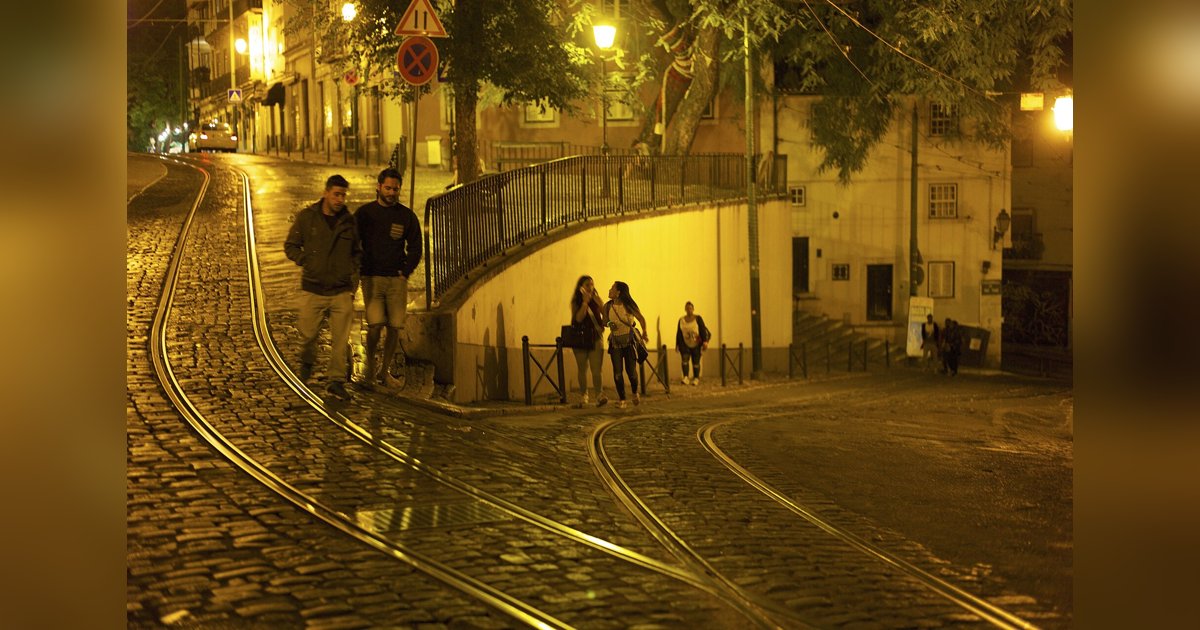
    Lisbon is a city built on seven hills, and your calves will notice. It is also one of the most rewarding capitals in Europe for a slow trip: pastel tiles, faded palaces, small restaurants and light that makes even a gray building look golden. This Lisbon city guide is built for people who want to see the highlights without racing between them.

    Understand the Layout First: A Lisbon City Guide

    The city rises from the Tagus River in layers. The flat grid of Baixa sits at the bottom, rebuilt after the 1755 earthquake. Alfama, the old Moorish quarter, climbs up toward the castle in a tangle of alleys. Bairro Alto and Chiado sit on the opposite hill, full of bookshops, bars and cafes. Belem lies to the west along the river and holds the big monuments.

    Pick a base in Baixa, Chiado or Alfama and you can reach most sights on foot. Wear shoes with grip, because the limestone pavements can be slick when wet.

    Neighborhoods Worth Your Time

    Alfama rewards aimless walking. Follow the sound of fado through a doorway, stop at a viewpoint such as Miradouro das Portas do Sol, and then keep climbing to Sao Jorge Castle for the wide panorama. Go early, before tour groups arrive.

    Graca is quieter and feels more local, with its own viewpoints and small squares. Principe Real offers leafy gardens and independent shops. Further east, Marvila has converted warehouses that now house breweries, galleries and studios, which suits travelers who like a less polished edge.

    Getting Around Without Misery

    Trams and funiculars are charming, but Tram 28 is famously crowded and attracts pickpockets. Ride it from the start of the line in the morning, or skip it and use Tram 12 for a similar loop with fewer people. The metro is clean and simple. A rechargeable transit card makes buses, trams and trains cheaper than buying single tickets.

    Taxis and ride apps are inexpensive by Western European standards, and they help with the steepest climbs. For Belem, take the tram or the suburban train along the river, and give the area half a day.

    What to Eat and Drink

    The pastel de nata is the obvious start, a custard tart with a blistered top and flaky shell. Try it warm, with cinnamon, at a local bakery rather than only at the famous one with the queue. Beyond pastries, look for grilled sardines in summer, bacalhau prepared in dozens of ways, caldo verde soup and bifana, the garlicky pork sandwich that makes a fine cheap lunch.

    Ask for the dish of the day, called prato do dia. It usually costs a few euros, comes with soup or a drink, and reflects what the kitchen cooked that morning. Coffee is strong and small; order a bica for espresso or a galao for a milky glass.

    Day Trips Worth Taking

    Sintra is the classic escape, with its fairytale palaces and forested hills, but it is crowded in summer. Go on a weekday and book the major palace tickets ahead. If you prefer the sea, take the train to Cascais and walk the coastal path. Further south, the beaches of the Arrabida coast and the town of Setubal offer seafood and quieter water.

    Evora and the Alentejo are possible as longer excursions, though they suit a night or two rather than a rushed day.

    Practical Notes for First-Timers

    Spring and autumn are the best seasons, with mild weather and fewer visitors. August is hot and busy. Keep an eye on valuables in tourist areas and on public transport, and avoid people who offer unrequested help at ticket machines. Many restaurants close one day a week, often Sunday or Monday, so check before you go.

    Finally, give yourself time to sit. Buy a coffee, find a viewpoint, and watch the river change colors. A good Lisbon city guide can only point you toward the hills; the real pleasure comes from stopping partway up one.

    One last note for this Lisbon city guide: build in slack. Plans slip when a viewpoint turns out to be irresistible or a tram line is suspended for repairs. Keep one afternoon open for whatever you loved most, whether that was a street in Alfama, a bakery in Chiado or the sunset by the river. Lisbon pays back unhurried visitors more than any checklist can.

    For more background, see the Wikipedia article.
    Related reading

  • Driving the Iceland Ring Road: Route, Timing and Tips

    Driving the Iceland Ring Road: Route, Timing and Tips

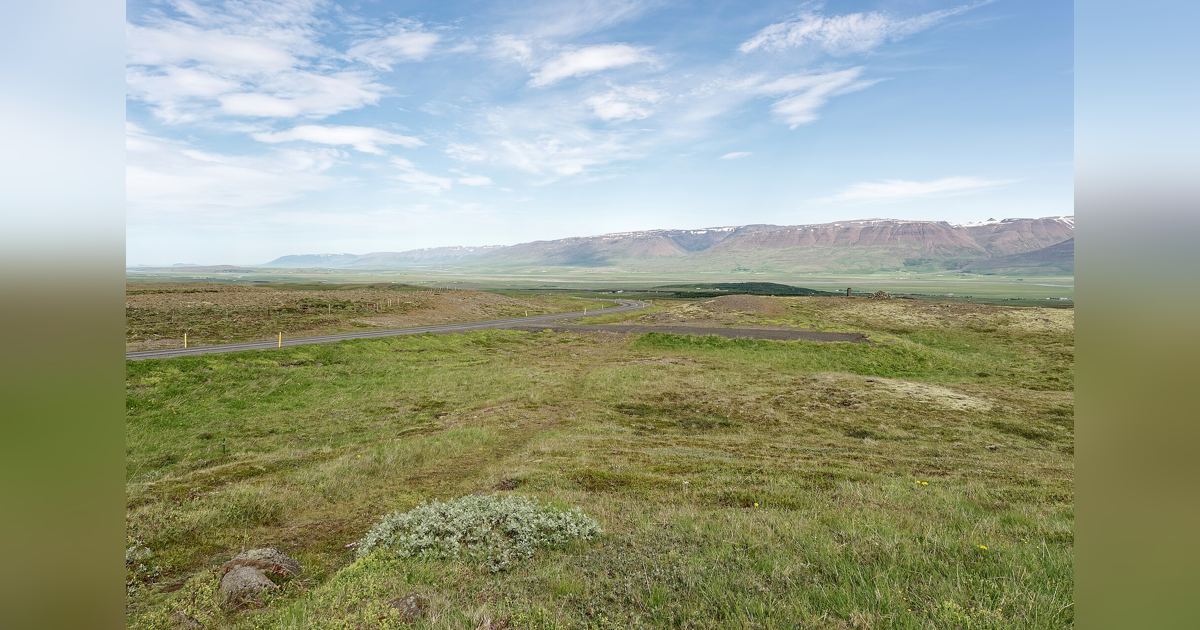
    Route 1, better known as the Iceland ring road, circles the island for roughly 1,320 kilometers. It passes waterfalls, black sand beaches, glaciers, lava fields and fishing villages, and it is the most popular self-drive route in the country. Done well, it feels like a slow-moving documentary. Done in a rush, it becomes a blur seen through a windshield.

    How Many Days You Need

    You can technically drive the whole loop in three days, but you will see little. Seven days is a comfortable minimum, and ten lets you add side trips. The road is mostly paved, with a single lane in each direction, and speed limits are modest. Drives of three or four hours between major stops are common, and weather can slow you down.

    If you have only a few days, consider driving the south coast and returning, or choosing a region such as the north or the east rather than the full circuit.

    When to Go

    Summer, from June to August, offers long daylight and the best road conditions, but also the highest prices and the biggest crowds. Late May and September are good compromises. In winter, the ring road remains open much of the time, but snow, ice and wind can close sections for hours or days. You will also have very little daylight, though you gain the chance of northern lights. Winter driving suits confident drivers with flexible schedules.

    Choosing a Vehicle

    A regular car is fine for the ring road in summer. A four-wheel-drive vehicle is required for the interior highland F-roads, and rental rules prohibit driving them in ordinary cars. If you travel in winter, choose a vehicle with good tires and ask the rental company about gravel protection and sand and ash coverage, since wind-blown grit can damage paint and windows.

    Fuel stations are frequent in the south and west, and sparser in the east and the interior. Fill up when you are half empty. Many stations are automated and need a card with a PIN.

    The Stops That Earn Their Time

    On the south coast, Seljalandsfoss lets you walk behind the waterfall, and Skogafoss is a broad curtain of water you can climb beside. Reynisfjara has black sand and basalt columns, but waves there are dangerous, so never turn your back on the sea. Further east, Jokulsarlon glacier lagoon floats icebergs toward the sea, and nearby Diamond Beach is dotted with ice chunks.

    In the north, Lake Myvatn has volcanic landscapes and geothermal baths, and Godafoss is a graceful waterfall right beside the road. The Eastfjords bring quiet villages and winding coastal drives, and are often skipped by hurried travelers. West of the route, the Snaefellsnes peninsula packs mountains, coastline and lava formations into a short detour.

    Weather and Safety

    Iceland weather changes quickly. Check road conditions at the official road administration site and the weather service every morning. Wind can rip a car door out of your hand, so open it carefully and hold it with both hands. Stay on marked paths at natural sites, because moss and thin crust damage easily and some areas are unstable.

    Do not drive off-road, which is illegal and harms fragile land. Keep a charged phone, snacks and a warm layer in the car. The emergency number is 112.

    Booking and Budgeting for the Iceland Ring Road

    Iceland is expensive. Save money by booking guesthouses early, shopping at supermarkets, and picnicking on bread, skyr and fruit. Tap water is excellent and free. Many hot dogs and soups at gas stations are cheaper than restaurant meals. A good Iceland ring road trip is less about ticking off sights and more about leaving time to stop whenever the light turns remarkable.

    Also allow for the unexpected. A storm can pin you in a village for a day, and a closed pass may force a detour. Build one spare day into the Iceland ring road schedule, and keep your bookings cancellable where possible. Travelers who treat the route as a flexible line, rather than a rigid timetable, usually return with the best stories and the fewest frustrations.

    For more background, see the Wikipedia article.

    Related reading