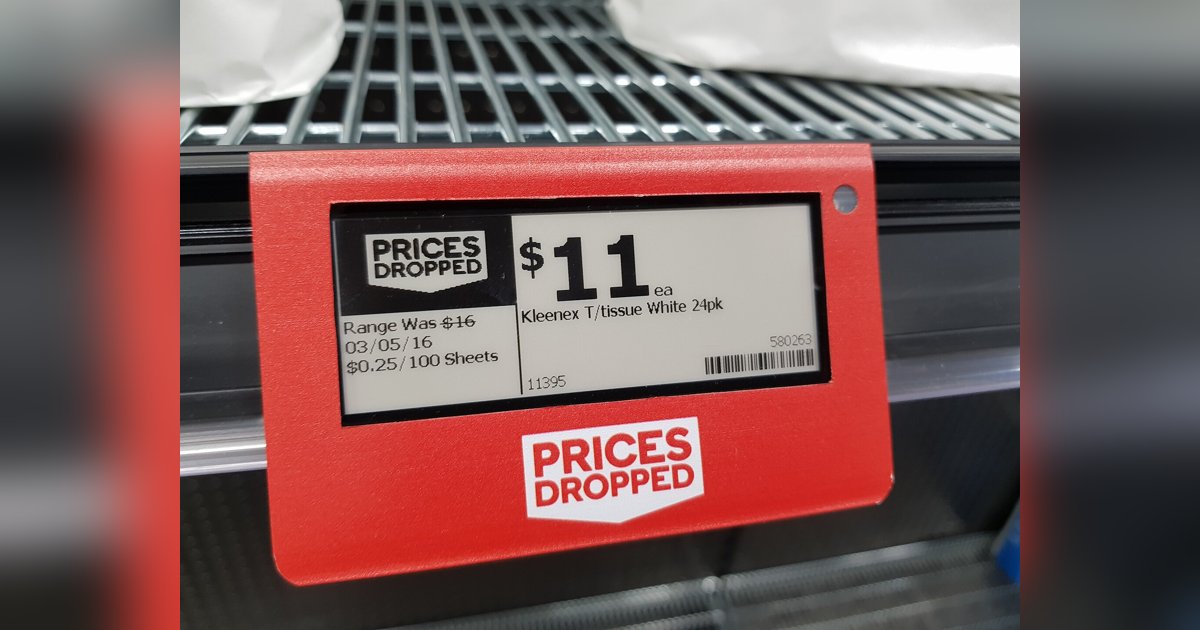
Ask a grandparent what a movie ticket cost when they were young, and you have met inflation. So what is inflation? It is the general rise in prices over time, which means each unit of money buys a little less than it used to. A 3 percent annual rate does not sound dramatic, but over twenty years it cuts purchasing power nearly in half.
What is inflation, and how is it measured?
Governments track inflation with price indexes. In the United States the most quoted is the Consumer Price Index, or CPI, published by the Bureau of Labor Statistics. Statisticians price a large basket of goods and services, including food, rent, gasoline, healthcare, clothing, and entertainment, then compare the cost month to month and year to year. The Federal Reserve also pays close attention to a related gauge called the PCE price index. Other countries run similar systems, and the exact baskets differ.
Headline inflation counts everything. Core inflation strips out food and energy, which swing wildly, to show the underlying trend. Both numbers are useful, and they can tell different stories.
Why prices rise
Economists usually point to a few overlapping causes, and real episodes tend to mix them.
- Demand-pull: People and businesses want to buy more than the economy can produce, so sellers raise prices.
- Cost-push: Inputs like energy, wages, or raw materials get more expensive, and companies pass the increase along.
- Supply disruptions: A shortage of shipping capacity, parts, or labor leaves too few goods chasing the same dollars.
- Expectations: If everyone expects prices to climb, workers ask for bigger raises and businesses set higher prices in advance, which can make the expectation come true.
- Money and credit: A faster growth in the money supply than in output can feed inflation over time, though the link is not mechanical.
What central banks do about it
Most central banks aim for low, stable inflation, often around 2 percent a year. Their main tool is the short-term interest rate. Raising rates makes borrowing more expensive, which cools spending and hiring, and tends to ease price pressure. Cutting rates does the opposite. The catch is timing: policy takes months to filter through the economy, so central banks are always steering with a delay.
Who gets hurt and who benefits
Inflation does not land evenly. People on fixed incomes, such as those living on a pension that does not adjust, feel it most. Savers holding cash in an account that pays less than the inflation rate lose purchasing power every year, even though their balance looks the same. Households that spend a large share of income on necessities like food, rent, and fuel also notice it more, because those prices are hard to avoid.
Borrowers with fixed-rate debt can come out ahead, since they repay with money that is worth a little less than when they borrowed it. Wages, home values, and some investments may rise along with prices, but not always at the same pace or on the same schedule.
A quick example of what is inflation doing to prices
Say your grocery bill is $500 a month. With 4 percent inflation, the same basket costs about $520 a year later and about $541 after two years. If your income rises only 2 percent, you are falling behind in real terms. Economists call the adjusted figure your real wage, and it is why a raise below the inflation rate is a pay cut in disguise.
Practical ways to respond
- Compare your savings rate with the inflation rate. A high-yield account or short-term government bills may help your cash keep up better than a zero-interest account.
- Invest for the long term. Historically, a diversified mix of stocks has outpaced inflation over long periods, though with real ups and downs along the way.
- Consider inflation-linked government bonds, such as TIPS in the US, which adjust their principal with CPI.
- Negotiate pay regularly and build skills that raise your earning power.
- Trim recurring costs, since subscriptions and insurance often creep up quietly.
Asking what is inflation is the first step to planning around it. It is not something you can switch off, but understanding it makes headlines less mysterious and planning less guesswork. This article is educational and not personal financial advice. Rates and indexes change, so check current data from official sources before making decisions.
For more background, see the Wikipedia article.