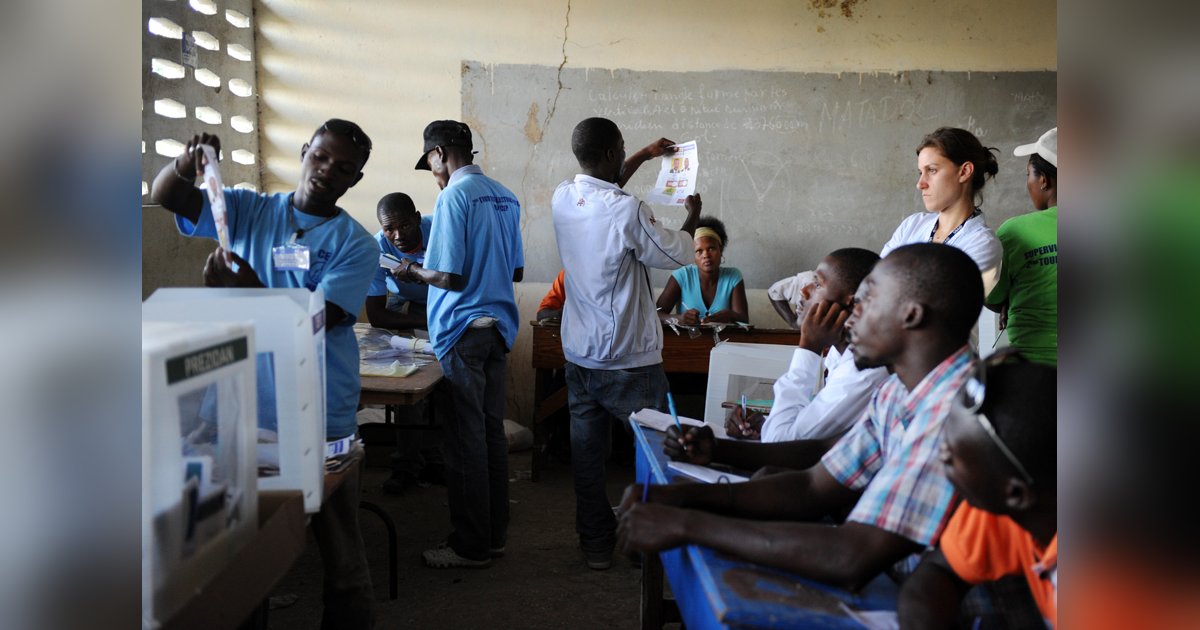
When the polls close, the public wants a number. Election officials want something different: a number that is right. That gap explains most of the confusion around vote counting, which is less a single event than a chain of small, checkable steps carried out by thousands of ordinary people.
Counting starts before the polls close
Many people picture a single dramatic moment when ballots are dumped on a table. In reality, preparation begins weeks earlier. Machines are tested with sample ballots whose correct totals are already known. Poll workers are trained, seals are logged, and chain-of-custody forms are printed. In many places, mail ballots arriving early can be opened, checked and prepared for scanning before election day, though the actual tallies are not released until voting ends. Rules on this differ widely by country, region and even county.
That variation matters. A system that allows early processing can report most results within hours. A system that forbids touching mail envelopes until the final day will be slower, and nobody has cheated; the law simply says so.
What happens at the polling place
At a typical polling place, the end of the day follows a script. Officials close the doors, let anyone still in line vote, and then seal the machines or boxes. Two people, often from different parties or groups, reconcile the numbers. The count of ballots issued should match the count of ballots cast, give or take a documented spoiled ballot or two.
- Hand counts: Ballots are sorted into piles by choice and counted by people, often in teams so that each pile is verified by a second pair of eyes.
- Optical scanners: Paper ballots are read by machine, which records marks and produces a tape of totals.
- Electronic machines: Some systems record votes directly, ideally alongside a paper record that voters can check.
Hand counting is transparent but slow and tiring, and fatigue produces its own errors. Machines are fast and consistent but need careful testing. Many countries use one method, while others mix them depending on the contest.
Why vote counting totals shift early
If you watch results come in live, you will often see the lead change as more reports arrive. That is not evidence of anything strange. Different kinds of ballots are counted at different times, and they often lean differently. Rural precincts may report quickly because they are small, while large cities have more ballots to process. Mail ballots can be tallied first in one jurisdiction and last in another.
The better question to ask during a live count is not who is ahead but how much is still outstanding, and where it is coming from. Analysts who study vote counting closely look at the share of expected ballots reported, not the headline margin.
Provisional ballots and signature checks
Some ballots cannot be counted immediately. A provisional ballot is cast when a voter’s eligibility is unclear at the polling place, for instance because the name is missing from the list or the voter moved. Officials later check records and decide whether it qualifies. Mail ballots may require a signature match or a witness line, and in some places voters are given a short window to fix a problem.
These checks add days, but they exist to protect against both fraud and wrongful rejection. Most jurisdictions publish how many ballots were set aside and why, which lets observers see whether the numbers are small enough to matter.
Audits, recounts and certification
After the initial tally comes the official canvass, where local officials review everything, add late-arriving valid ballots, and resolve discrepancies. Only then is a result certified. This stage is mostly paperwork, and mostly uneventful.
Audits give another layer of confidence. A risk-limiting audit, for example, pulls a random sample of paper ballots and compares them against the machine totals. If the sample matches, confidence in the outcome rises; if it does not, a wider review follows. Recounts are triggered when a margin is extremely narrow, or when a candidate requests one and the law allows it. Recounts rarely change the outcome by more than a handful of votes, which is itself a useful sign that the first count was sound.
How to read results sensibly
A few habits help anyone follow an election night without panic.
- Treat projections as estimates until officials say counting is complete.
- Look up your area’s rules on mail ballots and early processing so you know what to expect.
- Rely on official election office sites for final numbers rather than screenshots passed around online.
- Remember that slow does not mean suspicious; it often means careful.
Good vote counting is deliberately dull. It depends on paper trails, observers from multiple sides, public rules written well in advance, and the patience to finish the job correctly. The system is designed so that no single person has to be trusted, and that design, more than any machine or any speed record, is what makes the result believable once the last box is sealed and the last form signed.
For more background, see the Wikipedia article.