Tag: care

  • Linen Fabric: Why It Wrinkles, Breathes and Lasts

    Linen Fabric: Why It Wrinkles, Breathes and Lasts

    Linen fabric has been woven for thousands of years, and it is still the first thing many people reach for when the weather turns hot. It is cool to wear, dries quickly and softens with every wash. It also wrinkles almost as soon as you sit down, which is the trade-off most people accept.

    Where linen fabric comes from

    Linen is made from the fibres inside the stem of the flax plant. After harvest, the stalks are soaked or left in the field so the woody parts break down, then the long fibres are separated, combed and spun into yarn. It is a labour-intensive process, which is partly why linen costs more than cotton.

    Flax grows well in cool, temperate climates. Western Europe, especially France, Belgium and the Netherlands, has a long tradition of growing and processing it, and Egypt has a history with the fibre that goes back to ancient times. Flax also needs relatively little irrigation and fewer pesticides than cotton in many regions, which is one reason linen has a good reputation for environmental impact, although processing methods vary.

    Why it feels the way it does

    Flax fibres are long and stiff. That gives linen fabric its crisp hand when new, and its slightly slubby, uneven texture. The fibres also wick moisture away from skin and release it fast, so a linen shirt feels dry even on a warm day. The loose weave common in summer garments lets air pass through.

    Why linen creases so easily

    The same stiffness explains the wrinkles. Flax fibres have little natural elasticity, so when folded they stay folded. Some people iron the fabric while it is still slightly damp, with high heat, to get a sharp finish. Others embrace the rumpled look as part of the charm. Linen blended with a little cotton, viscose or elastane wrinkles less, though it loses some of the pure texture.

    Buying linen clothing

    Check a few things before you pay:

    • Weight: lighter linen fabric suits shirts and summer dresses, while heavier weights suit trousers, jackets and upholstery.
    • Weave: tighter weaves hold their shape better and are less sheer, which matters for pale trousers.
    • Labelling: a tag reading 100 percent linen is straightforward. Terms like linen-look often mean something else entirely.
    • Construction: French seams or neat finishing help because the fabric can fray.

    Hold a piece up to the light. If you can see through it clearly, expect it to be see-through when worn, especially in white or cream.

    How to wash and care for it

    Linen is strong, and it is actually stronger wet than dry. That makes it easier to care for than many people think. Machine wash it on a gentle or cool cycle, avoid overloading the drum and use a mild detergent. Always read the garment label, because dyed or tailored pieces may need special handling.

    High dryer heat can shrink linen and make it brittle over time. Many people take the clothes out while slightly damp, shake them and hang them to finish drying. This reduces creasing and saves you the ironing.

    Softening and storage

    New linen fabric often feels stiff. It improves with washing, and bed sheets can become wonderfully soft after a few months. Store linen folded loosely or on a broad hanger in a dry, ventilated spot. Avoid sealing it damp in a bag, since mildew is the main way people ruin it.

    Styling and seasons

    Linen is not only for beach holidays. A navy linen blazer works in a summer office, and linen trousers look sharp with a plain tee and loafers. In cooler months, heavier linen layered over a cotton or wool knit can still make sense, because the fabric adds structure without much bulk.

    Colour matters too. Natural shades like oatmeal, sand and olive hide wrinkles better than white or black, which show every crease. If you hate visible rumples, start there.

    The long view

    Good linen fabric can last for decades. Old family tablecloths and bed sheets are often still in use because the fibre resists wear and softens rather than breaking down. Buying a well-made piece, caring for it gently and accepting its relaxed character usually pays off. It will not look pressed all day, but it will feel comfortable, and it tends to look better the more it has been lived in.

    For more background, see the Wikipedia article.
    Related reading

  • Denim Care: How to Wash Jeans So They Last for Years

    Denim Care: How to Wash Jeans So They Last for Years

    Jeans are among the toughest garments in most closets, yet they often get ruined by habit: too much washing, too much heat, too much hurry. Good denim care is mostly a matter of doing less. Here is how to keep a pair looking and fitting well for years.

    Understand what denim is

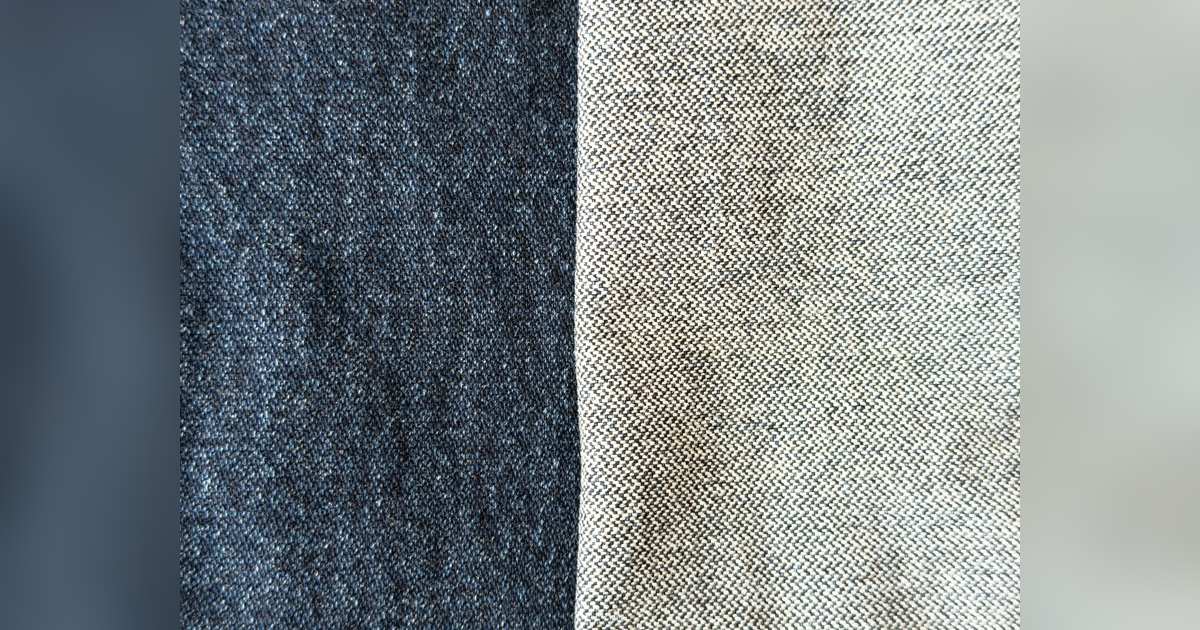
    Denim is a sturdy cotton twill fabric, traditionally woven with an indigo-dyed warp thread and a white weft thread. That is why the inside of jeans looks paler than the outside, and why the colour fades with wear. Indigo dye sits on the surface of the yarn rather than soaking deeply in, which is the reason jeans fade gracefully, and also the reason harsh washing strips them quickly.

    Many modern jeans include a little elastane for stretch. That makes them comfortable, but heat can damage those fibres, so denim care for stretch pairs needs a little more caution.

    How often should you wash jeans?

    Less often than you think. Many denim enthusiasts wash raw pairs only every few months. For everyday jeans, a sensible rule is to wash when they are visibly dirty, smell, or have been worn many times. Wearing them five to ten times between washes is common, though personal preference and climate play a role.

    If you spill something small, spot clean it with a damp cloth and a drop of mild soap rather than running the whole pair through the machine.

    Airing instead of washing

    Hanging jeans outside in fresh air, or on a hanger near an open window, helps with light odours. Some people put them in the freezer, but evidence that this kills bacteria is weak. Airing is simpler and works well enough for mild smells.

    A denim care washing routine

    When it is time to wash, follow this order of steps:

    1. Check the care label first, because brands vary.
    2. Turn the jeans inside out to protect the surface and reduce fading.
    3. Close zips and buttons so metal does not snag other clothes or the drum.
    4. Wash with similar dark colours, using cold water and a gentle cycle.
    5. Use a mild detergent, ideally one made for darks, and avoid bleach and heavy fabric softener.

    Cold water is the cornerstone of denim care. It saves energy, limits dye loss and reduces shrinking. Fabric softener can coat fibres and reduce stretch recovery, so skip it.

    Drying without damage

    High dryer heat is the biggest enemy of jeans. It shrinks cotton, damages elastane and can weaken seams over time. Hang them to air-dry instead, ideally away from direct sunlight, which can bleach colour unevenly. Hang by the waistband or lay them flat, and give them a shake and a tug into shape while they are damp.

    If you must use a dryer, choose a low setting and pull them out while slightly damp to finish drying on a hanger. This is a sensible compromise for busy weeks.

    Dealing with raw or dry denim

    Raw denim has not been pre-washed or treated, so it is stiffer and darker, and it can bleed dye at first. Some wearers soak the jeans in cool water before the first wear to shrink them slightly and reduce bleeding. After that, washing intervals are stretched as long as comfort allows. Wash raw denim alone for the first few cycles.

    Repairs extend life

    Small holes tend to appear first at the crotch, the knees and the pocket corners. Catch them early. A simple darning stitch or iron-on patch from the inside can stop a rip spreading. A tailor or specialist repair shop can reinforce worn areas using matching thread or boro-style visible mending, which turns repairs into a design feature.

    Storage and fit

    Fold jeans or hang them from the belt loops or hem with a clip. Avoid cramming them into a tight drawer where creases set in. If the waist stretches out during the day, that is normal for cotton, and a cool wash will often bring it back, which is another reason to avoid heat.

    Small habits, big payoff

    Denim care does not require special equipment. Wash less, use cold water, turn them inside out and air-dry. A pair treated this way keeps its colour, shape and strength much longer. That saves money and cuts waste, since the most sustainable pair is the one you already own and keep wearing.

    For more background, see the Wikipedia article.

    Related reading