Category: Fashion

  • How to Build a Capsule Wardrobe That Actually Works

    How to Build a Capsule Wardrobe That Actually Works

    A capsule wardrobe is a small collection of clothes that all mix with one another, so a handful of pieces can produce dozens of outfits. The idea is not new, and it does not require you to own exactly thirty-three items or to wear grey for the rest of your life. It simply asks you to buy and keep clothes on purpose.

    Most people already wear about a fifth of what hangs in their closet. The rest sits there because it almost fits, or was bought for an occasion that never repeated. Building a capsule wardrobe starts with admitting that.

    Start with an honest audit

    Pull everything out and sort it into three piles: worn in the last year, not worn, and unsure. Be strict about the middle pile. If a jacket has hung untouched for twelve months, it is not a future favourite; it is a reminder of a purchase.

    For the unsure pile, try the item on in front of a mirror and ask two questions. Does it fit the body you have now? Does it go with at least three other things you own? Two yeses and it stays. Anything that fails goes to resale, donation or a repair shop if the fault is a loose hem or a missing button.

    Choose a colour palette first

    Colour does most of the work in a capsule wardrobe. Pick two or three neutrals as the base, such as navy, cream and charcoal, and then one or two accent colours that you genuinely like on your skin. Olive, rust or a muted blue are common choices because they pair easily with most neutrals.

    The point is compatibility. When every top can sit under every jacket and beside every pair of trousers, getting dressed becomes a quick decision rather than a negotiation.

    Check your life, not a Pinterest board

    A capsule wardrobe for an office worker looks different from one for a nurse, a teacher or someone who works from home. Think about how your week really divides. If four days are casual and one day needs a blazer, your closet should reflect that ratio.

    The core pieces worth owning

    There is no single correct list, but a workable starting point looks like this:

    • Two or three pairs of bottoms: one dark denim, one tailored trouser, one flexible extra such as a skirt or chinos.
    • Five or six tops: plain tees, a couple of shirts or blouses, and a fine knit sweater.
    • One or two layers: a blazer or overshirt, and a coat suited to your climate.
    • Two pairs of shoes you can walk in, plus one for dressing up if your life needs it.
    • A few accessories, such as a belt, a scarf and a bag that goes with everything.

    Seasonal swaps are allowed. Many people keep a core capsule wardrobe year-round and rotate a small summer or winter set on top, which keeps the total manageable.

    Buy fewer, better, and in the right order

    Quality matters more when you own less, because each piece is worn more often. Look at seams, fabric weight and how a garment is finished inside. A shirt with a sturdy collar and neat stitching will outlast three flimsy ones. Natural fibres like wool, cotton and linen often age better, though a well-made blend can be perfectly sensible for stretch or durability.

    Fill gaps one at a time. If you keep reaching for a belt and do not own one, buy the belt before the fourth pair of sandals. Keep a short note on your phone listing what is missing, and consult it before shopping rather than after browsing.

    The one-in, one-out habit

    When something new joins the capsule wardrobe, something leaves. This keeps the collection from slowly ballooning back to its old size, and it forces you to compare the new item honestly against what you already have.

    Test it for a month

    Once you have trimmed down, wear only your capsule for four weeks. Write down what you reached for constantly and what you ignored. You will probably discover that you need one more warm layer and one fewer dressy top. That is useful information, and it is far cheaper than guessing.

    Laundry rhythm matters too. A smaller closet means each item gets washed more often, so follow care labels, wash cooler where you can and air-dry knitwear flat. Clothes that are looked after last longer, which is half the point.

    What a capsule wardrobe will and will not do

    It will cut morning indecision, reduce clutter and usually save money over a year. It will not make you stylish by itself. Style still comes from fit, from choosing shapes that suit you and from small touches like rolling a sleeve or tucking a shirt.

    It also should not feel like punishment. If you love a bright jumper that matches nothing, keep it. A capsule wardrobe is a tool for making dressing easier, not a rulebook to pass. Start small, adjust as you learn and let the collection reflect how you actually live.

    For more background, see the Wikipedia article.
    Related reading

  • Sustainable Fashion: Practical Ways to Shop Smarter

    Sustainable Fashion: Practical Ways to Shop Smarter

    Sustainable fashion can sound intimidating, like a puzzle of certifications, fibres and brand promises. In practice, the biggest gains come from a handful of everyday habits. Clothing production uses water, energy and land, and creates waste at the end of a garment’s life, so the simplest way to reduce impact is to make clothes last and need fewer of them.

    Why clothing has an environmental footprint

    Making a garment involves growing or producing fibres, spinning, dyeing, cutting, sewing and shipping. Each stage uses resources. Cotton often needs a lot of water, polyester comes from fossil fuels and sheds tiny plastic fibres when washed, and dyeing can pollute waterways where wastewater is poorly managed.

    Over the past few decades, cheaper production and faster trend cycles have increased how much clothing people buy, while the time each item is worn has fallen. That gap between how much is made and how long it is used is the core problem sustainable fashion tries to close.

    Sustainable fashion starts with wearing things longer

    Extending the life of a garment is widely considered one of the most effective steps. Wearing a jumper for nine months instead of three reduces the impact per wear considerably. A few ways to do that:

    • Buy only what you can picture wearing at least thirty times.
    • Choose styles you have loved for years instead of one-season trends.
    • Check that it goes with things you already own.
    • Try it on and sit, bend and reach to test comfort.

    Choosing materials with some care

    No fibre is perfect, and every choice has trade-offs. Linen and hemp need relatively little water. Wool is renewable and durable but involves farming impacts. Organic cotton avoids certain pesticides yet still uses water. Recycled polyester keeps some plastic in circulation, though it still sheds microfibres.

    Rather than chasing one hero fibre, look at quality. Tight stitching, decent fabric weight and reinforced seams suggest a garment that will not fall apart. Be wary of vague claims like eco-friendly or green with nothing to back them. Specific information, such as named certifications or details about where and how a garment was made, is a better sign than generic leaf logos.

    A note on blends

    Blended fabrics can be hard to recycle because fibres are mixed together. A shirt made from one fibre is generally easier to recycle than one stitched from three, though blends can add strength or stretch where it is needed.

    Second-hand, rental and swaps

    Buying pre-owned clothing is among the simplest ways to practice sustainable fashion. Charity shops, consignment stores and online resale platforms keep garments in use and often cost much less. Rental services suit one-off occasions such as weddings, where a dress might otherwise be worn once.

    Clothes swaps with friends or neighbours cost nothing and are surprisingly fun. They also help you test whether you actually like something before committing it to your closet.

    Repair, care and the boring stuff that works

    Learning to sew on a button, patch a knee or hem trousers is a small skill with a big payoff. Many towns have tailors and cobblers who can mend zips, resole shoes and fix linings for a fraction of replacement cost.

    Care matters as well. Washing less often, using cooler water and air-drying all reduce energy use and help fabrics survive. A mesh laundry bag can catch some microfibres from synthetic garments. Always follow the care label so you do not shrink or damage things.

    What to do with clothes you no longer wear

    Sell, donate or pass on items in good condition. Worn-out textiles can sometimes go to textile recycling bins, though availability varies by area, so check local options. Throwing clothes in the bin should be the last resort.

    Do not wait for perfection

    Sustainable fashion is not about owning a flawless ethical wardrobe. It is about steady, practical choices: buying less, picking well, caring for what you have and passing it on when you are done. Individual shoppers cannot fix an entire industry, and regulation and company practices matter enormously. But personal habits still shape demand, and they tend to save money, too.

    For more background, see the Wikipedia article.

    Related reading

  • Quiet Luxury: What the Understated Style Trend Means

    Quiet Luxury: What the Understated Style Trend Means

    Quiet luxury describes a way of dressing that signals quality through fabric, cut and finish rather than through logos. A beige cashmere sweater with perfect proportions, a plain leather loafer, a coat that hangs just right. Nothing shouts, yet people who know clothes can tell.

    The phrase went mainstream in the early 2020s, partly through social media and partly through television dramas about wealthy families whose characters wore pared-back, expensive-looking clothes. But the idea itself is much older.

    Where quiet luxury comes from

    Understated dress has always existed alongside flashy fashion. Old-money style in Europe and the northeastern United States leaned on classic tailoring, natural fabrics and clothes worn for years. Designers and houses known for restraint, such as Brunello Cucinelli, The Row and Loro Piana, built reputations on fine materials and discreet branding.

    Economic moods play a part as well. When people feel cautious about money, loud displays can feel out of step, and quieter clothing gets attention. That does not mean the trend is cheap. Many pieces associated with quiet luxury are very expensive. The restraint is aesthetic, not financial.

    The defining traits

    You can usually recognise the look by a few features:

    • A muted palette: camel, cream, navy, grey, chocolate brown and black.
    • Natural, high-grade fabrics such as wool, cashmere, silk and heavy cotton.
    • Clean cuts with precise fit, often slightly relaxed rather than skin-tight.
    • Little or no visible branding.
    • Careful details, like horn buttons, neat stitching and well-finished hems.

    It is the opposite of a logo-heavy outfit, and it values longevity. Classic pieces should look relevant five years from now.

    How to wear quiet luxury without overspending

    You do not need a designer budget to borrow the idea. The core principle of quiet luxury is that fit, fabric and condition matter more than price tags.

    Focus on fit first

    A modest trouser tailored to the right length looks more expensive than a pricey one that bunches at the ankle. A local tailor can shorten sleeves, taper a hem or take in a waist for a modest fee. This is the cheapest upgrade in fashion.

    Check the fabric label

    Look for natural fibres, tight weaves and some weight to the cloth. Thin, shiny synthetics usually read as cheap, whatever they cost. Second-hand shops are a good source of wool coats and silk shirts that are well made and far less expensive than new.

    Keep it simple

    Stick to two or three colours per outfit. Remove visible labels where you can, and choose plain accessories. A simple leather belt, a small watch and a structured bag carry more weight than several trendy add-ons.

    Care is part of the look

    Quiet luxury falls apart if the clothes are pilled, creased or scuffed. Brush wool coats, use a fabric shaver on knits, polish shoes and steam rather than crush clothes into drawers. Well-kept ordinary clothing outperforms neglected expensive clothing every time.

    Criticisms and limits

    Critics point out that quiet luxury can be its own form of status signalling. Knowing which understated brand to wear is just a different kind of insider code. Others argue the aesthetic is bland, favouring beige and inoffensive shapes at the expense of personality.

    There is also a sustainability angle. The philosophy of buying fewer, better things sits well with reducing waste, but only if people really keep the clothes. Buying a whole new neutral wardrobe because a trend told you to is not very quiet at all.

    Making it your own

    The healthiest way to approach quiet luxury is as a set of habits rather than a uniform. Choose pieces you will wear often, make sure they fit, keep them in good shape and add a little individuality, whether that is a vintage brooch, an interesting scarf or a bold shoe. The best version of the style looks effortless because the thinking happened at the shop, not in front of the mirror.

    For more background, see the Wikipedia article.

    Related reading

  • Linen Fabric: Why It Wrinkles, Breathes and Lasts

    Linen Fabric: Why It Wrinkles, Breathes and Lasts

    Linen fabric has been woven for thousands of years, and it is still the first thing many people reach for when the weather turns hot. It is cool to wear, dries quickly and softens with every wash. It also wrinkles almost as soon as you sit down, which is the trade-off most people accept.

    Where linen fabric comes from

    Linen is made from the fibres inside the stem of the flax plant. After harvest, the stalks are soaked or left in the field so the woody parts break down, then the long fibres are separated, combed and spun into yarn. It is a labour-intensive process, which is partly why linen costs more than cotton.

    Flax grows well in cool, temperate climates. Western Europe, especially France, Belgium and the Netherlands, has a long tradition of growing and processing it, and Egypt has a history with the fibre that goes back to ancient times. Flax also needs relatively little irrigation and fewer pesticides than cotton in many regions, which is one reason linen has a good reputation for environmental impact, although processing methods vary.

    Why it feels the way it does

    Flax fibres are long and stiff. That gives linen fabric its crisp hand when new, and its slightly slubby, uneven texture. The fibres also wick moisture away from skin and release it fast, so a linen shirt feels dry even on a warm day. The loose weave common in summer garments lets air pass through.

    Why linen creases so easily

    The same stiffness explains the wrinkles. Flax fibres have little natural elasticity, so when folded they stay folded. Some people iron the fabric while it is still slightly damp, with high heat, to get a sharp finish. Others embrace the rumpled look as part of the charm. Linen blended with a little cotton, viscose or elastane wrinkles less, though it loses some of the pure texture.

    Buying linen clothing

    Check a few things before you pay:

    • Weight: lighter linen fabric suits shirts and summer dresses, while heavier weights suit trousers, jackets and upholstery.
    • Weave: tighter weaves hold their shape better and are less sheer, which matters for pale trousers.
    • Labelling: a tag reading 100 percent linen is straightforward. Terms like linen-look often mean something else entirely.
    • Construction: French seams or neat finishing help because the fabric can fray.

    Hold a piece up to the light. If you can see through it clearly, expect it to be see-through when worn, especially in white or cream.

    How to wash and care for it

    Linen is strong, and it is actually stronger wet than dry. That makes it easier to care for than many people think. Machine wash it on a gentle or cool cycle, avoid overloading the drum and use a mild detergent. Always read the garment label, because dyed or tailored pieces may need special handling.

    High dryer heat can shrink linen and make it brittle over time. Many people take the clothes out while slightly damp, shake them and hang them to finish drying. This reduces creasing and saves you the ironing.

    Softening and storage

    New linen fabric often feels stiff. It improves with washing, and bed sheets can become wonderfully soft after a few months. Store linen folded loosely or on a broad hanger in a dry, ventilated spot. Avoid sealing it damp in a bag, since mildew is the main way people ruin it.

    Styling and seasons

    Linen is not only for beach holidays. A navy linen blazer works in a summer office, and linen trousers look sharp with a plain tee and loafers. In cooler months, heavier linen layered over a cotton or wool knit can still make sense, because the fabric adds structure without much bulk.

    Colour matters too. Natural shades like oatmeal, sand and olive hide wrinkles better than white or black, which show every crease. If you hate visible rumples, start there.

    The long view

    Good linen fabric can last for decades. Old family tablecloths and bed sheets are often still in use because the fibre resists wear and softens rather than breaking down. Buying a well-made piece, caring for it gently and accepting its relaxed character usually pays off. It will not look pressed all day, but it will feel comfortable, and it tends to look better the more it has been lived in.

    For more background, see the Wikipedia article.
    Related reading

  • Suit Fit Guide: How a Jacket and Trousers Should Sit

    Suit Fit Guide: How a Jacket and Trousers Should Sit

    A well-fitted suit changes how almost anyone looks, and the reason is rarely the price. Fit does the work. This suit fit guide walks through the points that matter, in the order you should check them, and explains which problems a tailor can solve and which ones mean you should try a different size.

    Suit fit guide step one: the shoulders

    Shoulders are the one area a tailor can barely change, so check them first. The jacket seam should end right where your shoulder meets your arm. If the seam hangs past the bone, the jacket is too big. If the fabric pulls or the seam digs in, it is too small.

    Stand naturally with your arms at your sides. You should see a smooth drop from the neck down the back, without ripples near the collar. A collar that gaps away from your shirt usually points to a cut or posture issue, and it is worth asking the tailor about it.

    Check the chest and closure

    Button the jacket’s middle button on a two-button suit, or the upper buttons on a three. It should close without strain. If you see an X-shaped crease pulling out from the button, the jacket is too tight. If you can slide a flat hand easily inside with room to spare, that is fine. A whole fist suggests it is too loose.

    Remember that the suit fit guide rule is comfort first. You should be able to reach forward, hug someone and drive a car without feeling restricted.

    Sleeve length and shirt cuff

    This is one of the easiest and cheapest fixes. The jacket sleeve should end roughly where the base of your thumb meets your wrist, which usually lets about a centimetre or a bit more of shirt cuff show. A tailor can shorten sleeves through the cuff in most cases, as long as there is enough fabric and the buttons are not purely decorative with a complicated layout.

    Jacket length

    As a rough rule, the jacket should cover your seat. One quick check is to let your arms hang and curl your fingers. The hem should land near your knuckles. Shorter, more modern cuts exist, and they can suit some body types, but a jacket that rides above the seat usually looks cropped on most men.

    Trousers: waist, rise and break

    Trousers should sit comfortably at your natural waist without a belt doing all the work. The waistband should be snug, not tight. Seat fabric should lie flat, with no pulling or sagging.

    Then look at the leg. A straight or slightly tapered line is the most flexible choice. Very baggy trousers add bulk, and very slim ones can restrict movement when you sit.

    Understanding the break

    The break is the fold that forms where the trouser front meets your shoe. Choices include:

    • No break: the hem just touches the shoe, giving a clean, modern look.
    • Slight break: a small crease, which is the most common and versatile option.
    • Full break: more fabric pooling on the shoe, a more traditional style.

    Hems are among the simplest alterations, so ask your tailor to pin the length while you wear the shoes you plan to use with the suit.

    What a tailor can and cannot do

    Common alterations that usually work include shortening sleeves, hemming trousers, taking in the waist, tapering legs and adjusting jacket sides. More complicated jobs like reshaping shoulders or lengthening a jacket are expensive and not always possible. This is why the suit fit guide advice is to buy for the shoulders and chest, then tailor the rest.

    Fabric and structure also matter

    A wool suit that is lightly structured drapes differently from a heavily padded one. Wool is a popular choice since it breathes and resists wrinkles, while a lighter weave suits warm weather. Check that the lining is neatly sewn and the lapels lie flat rather than curling.

    A quick checklist for the fitting room

    Before you buy, run through this. Shoulder seams sit at the bone. The jacket closes without an X crease. Sleeves show a little cuff. The jacket covers the seat. Trousers sit comfortably with a clean break. If all five are close, the rest can be tailored. Follow this suit fit guide and an off-the-rack suit can look surprisingly close to made-to-measure.

    For more background, see the Wikipedia article.
    Related reading

  • Denim Care: How to Wash Jeans So They Last for Years

    Denim Care: How to Wash Jeans So They Last for Years

    Jeans are among the toughest garments in most closets, yet they often get ruined by habit: too much washing, too much heat, too much hurry. Good denim care is mostly a matter of doing less. Here is how to keep a pair looking and fitting well for years.

    Understand what denim is

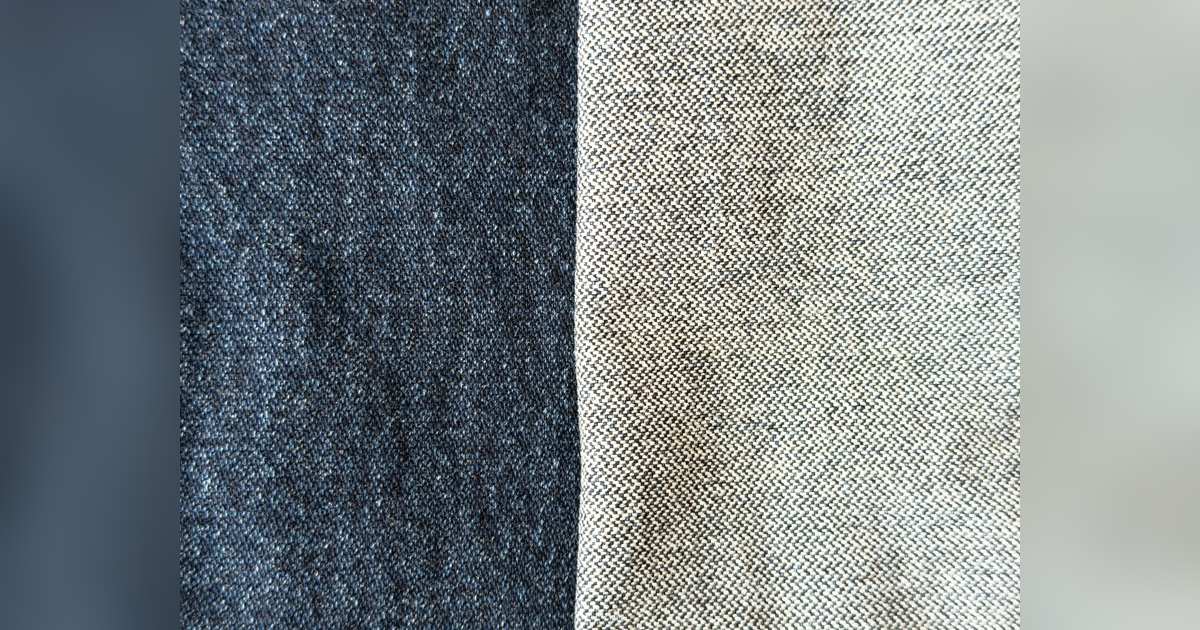
    Denim is a sturdy cotton twill fabric, traditionally woven with an indigo-dyed warp thread and a white weft thread. That is why the inside of jeans looks paler than the outside, and why the colour fades with wear. Indigo dye sits on the surface of the yarn rather than soaking deeply in, which is the reason jeans fade gracefully, and also the reason harsh washing strips them quickly.

    Many modern jeans include a little elastane for stretch. That makes them comfortable, but heat can damage those fibres, so denim care for stretch pairs needs a little more caution.

    How often should you wash jeans?

    Less often than you think. Many denim enthusiasts wash raw pairs only every few months. For everyday jeans, a sensible rule is to wash when they are visibly dirty, smell, or have been worn many times. Wearing them five to ten times between washes is common, though personal preference and climate play a role.

    If you spill something small, spot clean it with a damp cloth and a drop of mild soap rather than running the whole pair through the machine.

    Airing instead of washing

    Hanging jeans outside in fresh air, or on a hanger near an open window, helps with light odours. Some people put them in the freezer, but evidence that this kills bacteria is weak. Airing is simpler and works well enough for mild smells.

    A denim care washing routine

    When it is time to wash, follow this order of steps:

    1. Check the care label first, because brands vary.
    2. Turn the jeans inside out to protect the surface and reduce fading.
    3. Close zips and buttons so metal does not snag other clothes or the drum.
    4. Wash with similar dark colours, using cold water and a gentle cycle.
    5. Use a mild detergent, ideally one made for darks, and avoid bleach and heavy fabric softener.

    Cold water is the cornerstone of denim care. It saves energy, limits dye loss and reduces shrinking. Fabric softener can coat fibres and reduce stretch recovery, so skip it.

    Drying without damage

    High dryer heat is the biggest enemy of jeans. It shrinks cotton, damages elastane and can weaken seams over time. Hang them to air-dry instead, ideally away from direct sunlight, which can bleach colour unevenly. Hang by the waistband or lay them flat, and give them a shake and a tug into shape while they are damp.

    If you must use a dryer, choose a low setting and pull them out while slightly damp to finish drying on a hanger. This is a sensible compromise for busy weeks.

    Dealing with raw or dry denim

    Raw denim has not been pre-washed or treated, so it is stiffer and darker, and it can bleed dye at first. Some wearers soak the jeans in cool water before the first wear to shrink them slightly and reduce bleeding. After that, washing intervals are stretched as long as comfort allows. Wash raw denim alone for the first few cycles.

    Repairs extend life

    Small holes tend to appear first at the crotch, the knees and the pocket corners. Catch them early. A simple darning stitch or iron-on patch from the inside can stop a rip spreading. A tailor or specialist repair shop can reinforce worn areas using matching thread or boro-style visible mending, which turns repairs into a design feature.

    Storage and fit

    Fold jeans or hang them from the belt loops or hem with a clip. Avoid cramming them into a tight drawer where creases set in. If the waist stretches out during the day, that is normal for cotton, and a cool wash will often bring it back, which is another reason to avoid heat.

    Small habits, big payoff

    Denim care does not require special equipment. Wash less, use cold water, turn them inside out and air-dry. A pair treated this way keeps its colour, shape and strength much longer. That saves money and cuts waste, since the most sustainable pair is the one you already own and keep wearing.

    For more background, see the Wikipedia article.

    Related reading